
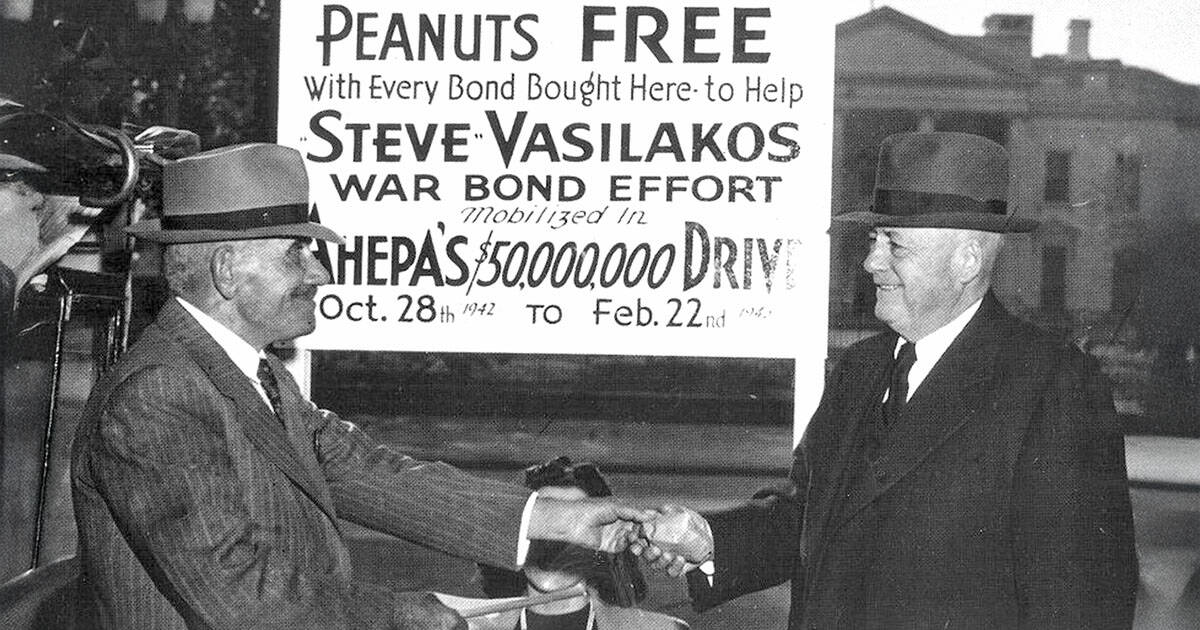
In the early 1940s a small but tightly knit Greek diaspora in North America faced a moment of reckoning. News of Italy’s invasion and the German occupation of Greece reached them across the Atlantic, and with it came reports of famine and disease that threatened their homeland. Shopkeepers and shipowners, priests and café workers, families in city rowhouses and prairie towns all felt the same pull of responsibility. What followed was one of the most ambitious humanitarian efforts ever mounted by an immigrant community: a campaign that would feed a starving nation, sway Allied policy and even send Greek Americans into uniform to fight in their ancestral land.
From Invasion to Famine: Greece’s Winter of 1941
In the autumn of 1940, only days after Mussolini’s army crossed the Greek border, word of the attack travelled quickly across the Atlantic. Greek immigrants in Philadelphia, New York, Boston, Chicago, Montreal, Toronto, and other cities gathered in church halls and coffeehouses to hear radio reports from Europe. They were far from the front, but they understood what invasion would mean for the relatives and villages they had left behind.
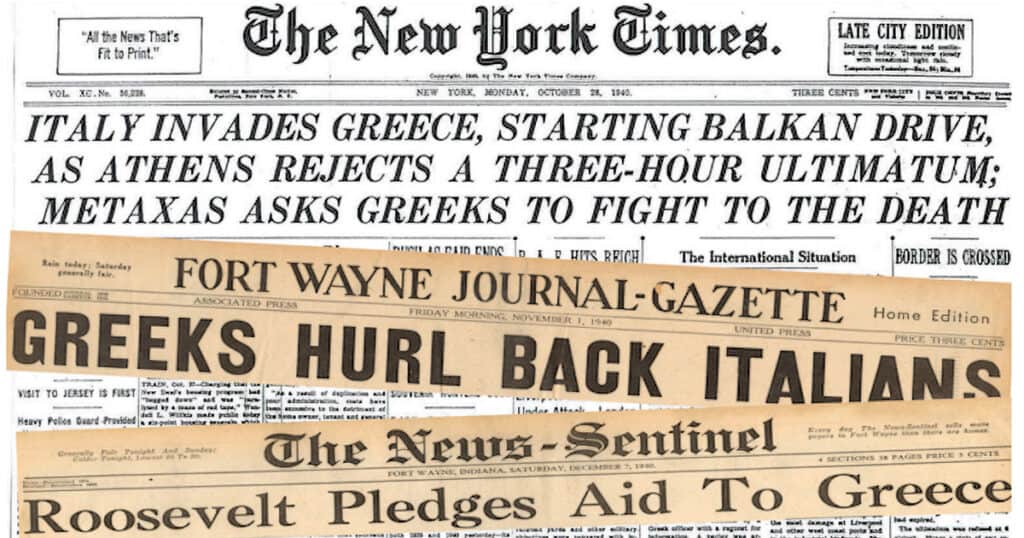
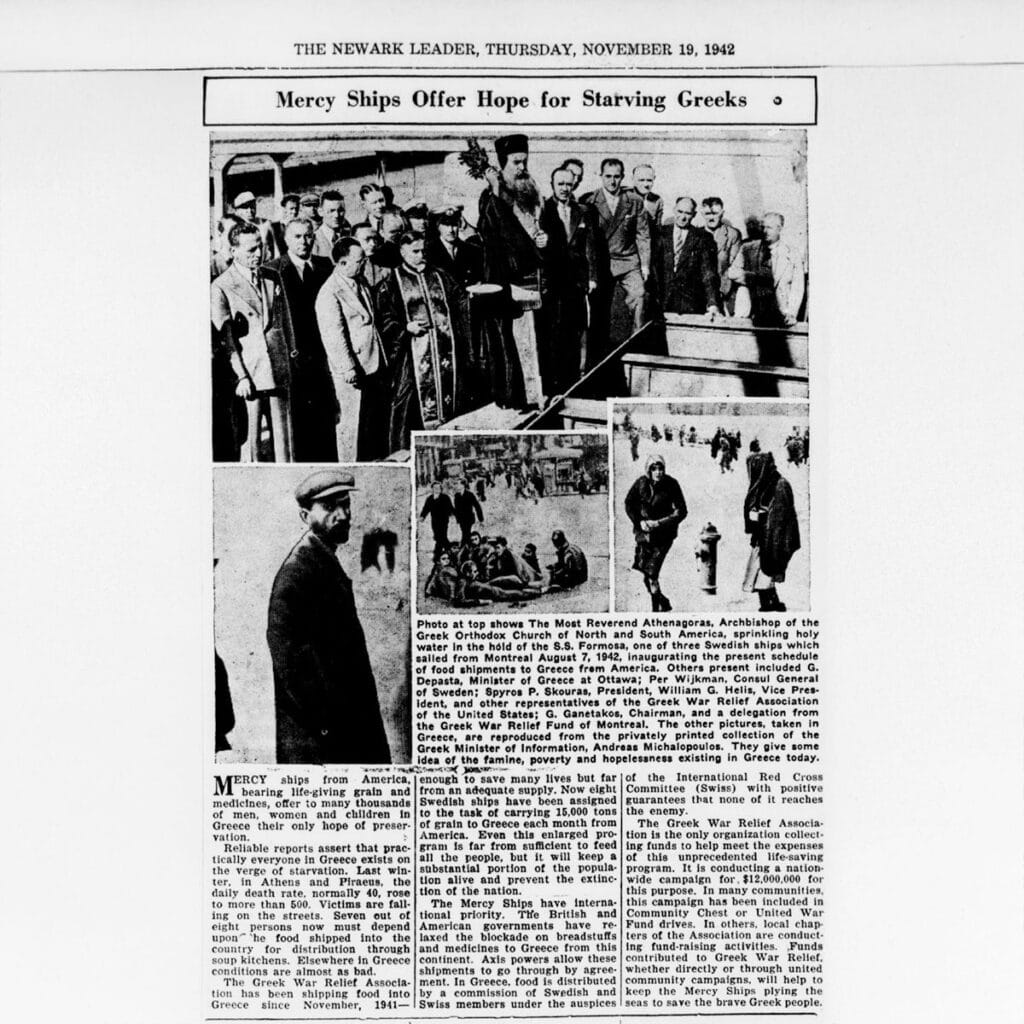
By the spring of 1941, the German army occupied Greece. The naval blockade imposed by the Allies to choke Axis supply lines also sealed off the Greek mainland and islands. Bread became scarce, infants failed to gain weight, and people fainted in the streets of Athens and Piraeus. Entire neighborhoods in the capital survived on thin soup and handfuls of boiled greens.
From this shock came a response that would change the history of the diaspora. Greek Americans and Greek Canadians built a relief network that raised millions of dollars, broke a naval blockade, and even fielded a U.S. Army battalion of Greek Americans. Their effort kept tens of thousands of people alive and left a model for diaspora action that still shapes Greek communities today.
Rallying Across the Atlantic: The Birth of Greek War Relief
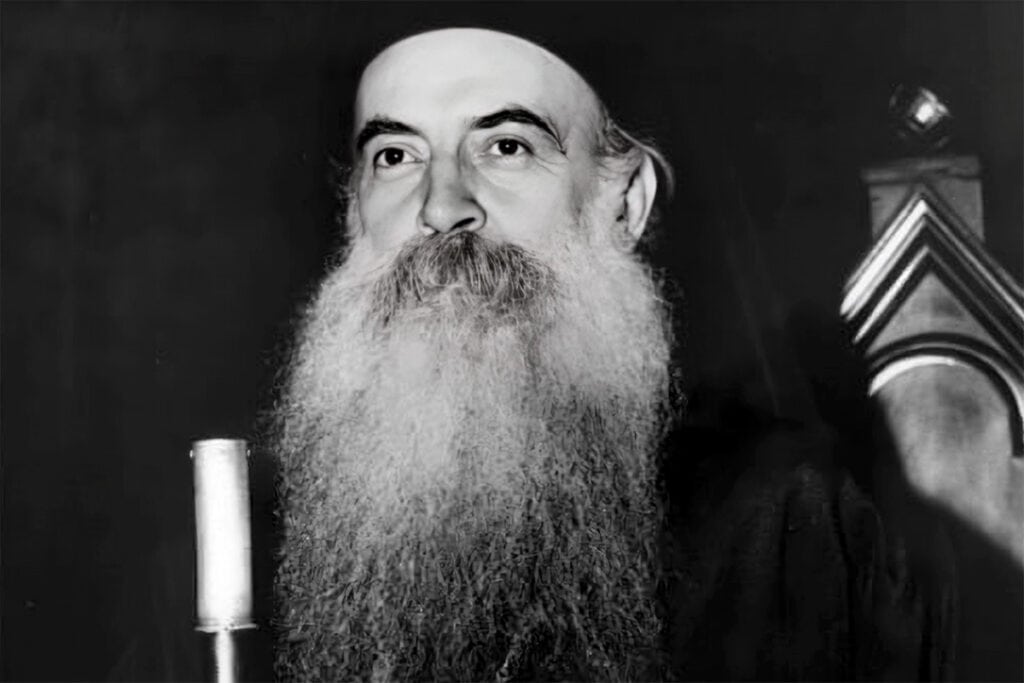
On November 8, 1940, Greek American leaders formally launched the Greek War Relief Association (GWRA). Film executive Spyros P. Skouras became national chair, and Archbishop Athenagoras accepted the post of vice chair. Their partnership joined the worlds of Hollywood, finance, and the Orthodox Church. It also signalled that this was more than a local ethnic appeal.
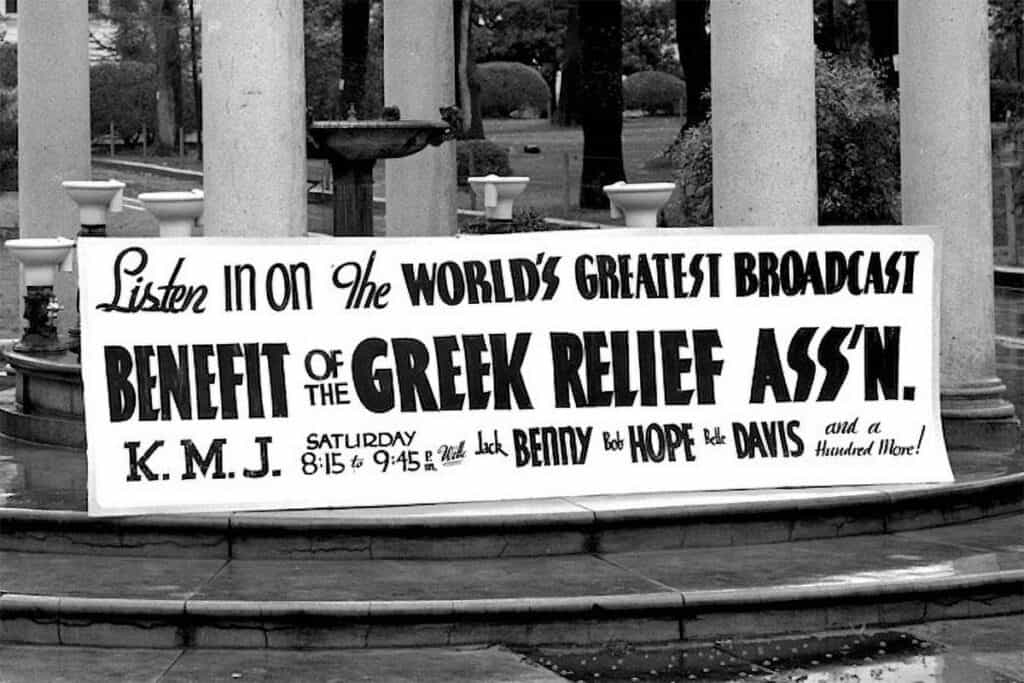
Within weeks, AHEPA lodges, Greek parishes, and non-Greek civic leaders formed hundreds of local committees from Astoria to Salt Lake City. Parish councils organized collections after Sunday liturgy. Movie theatres showed short appeals before the main feature. American newspapers ran front-page photographs of starving children.
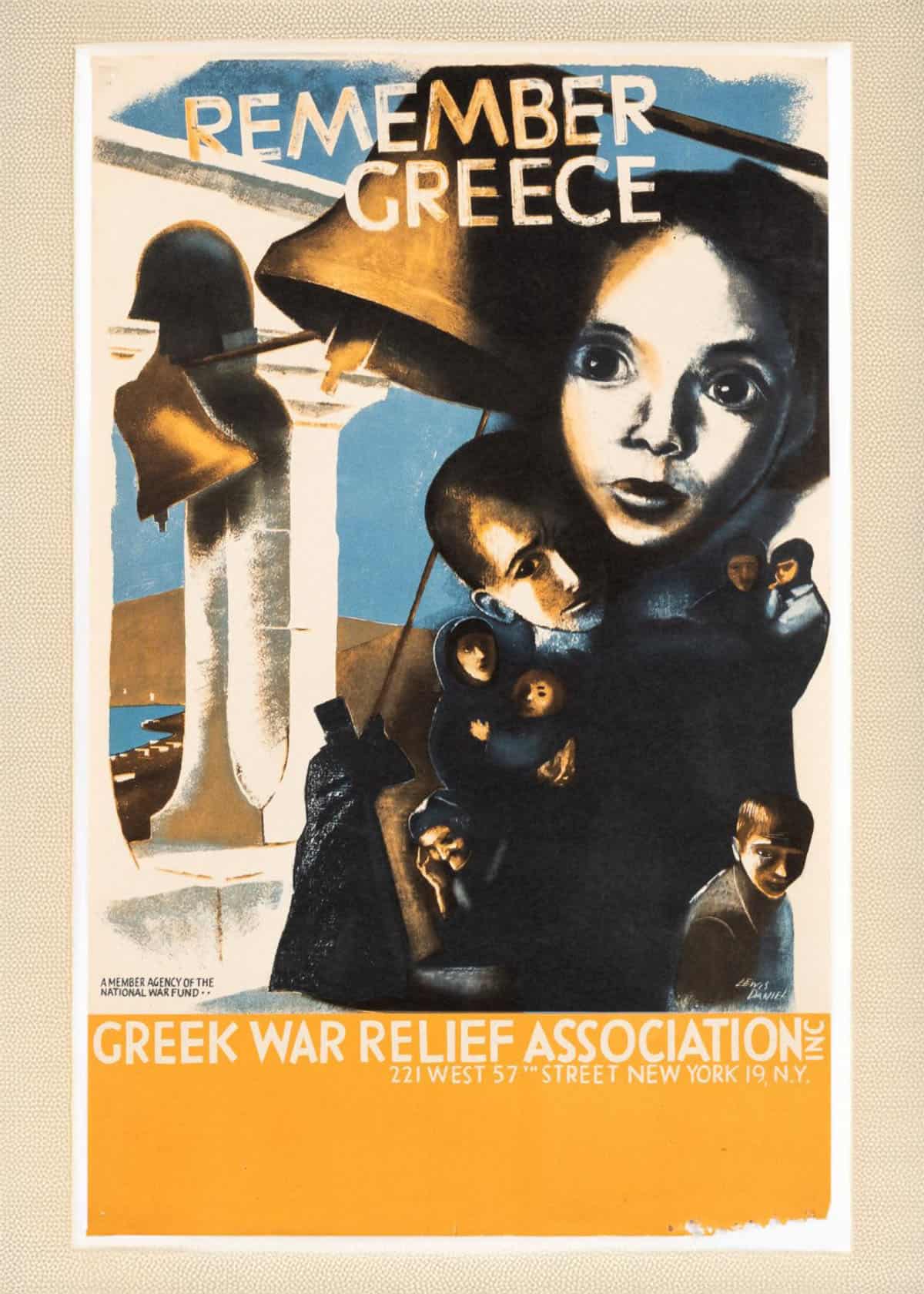
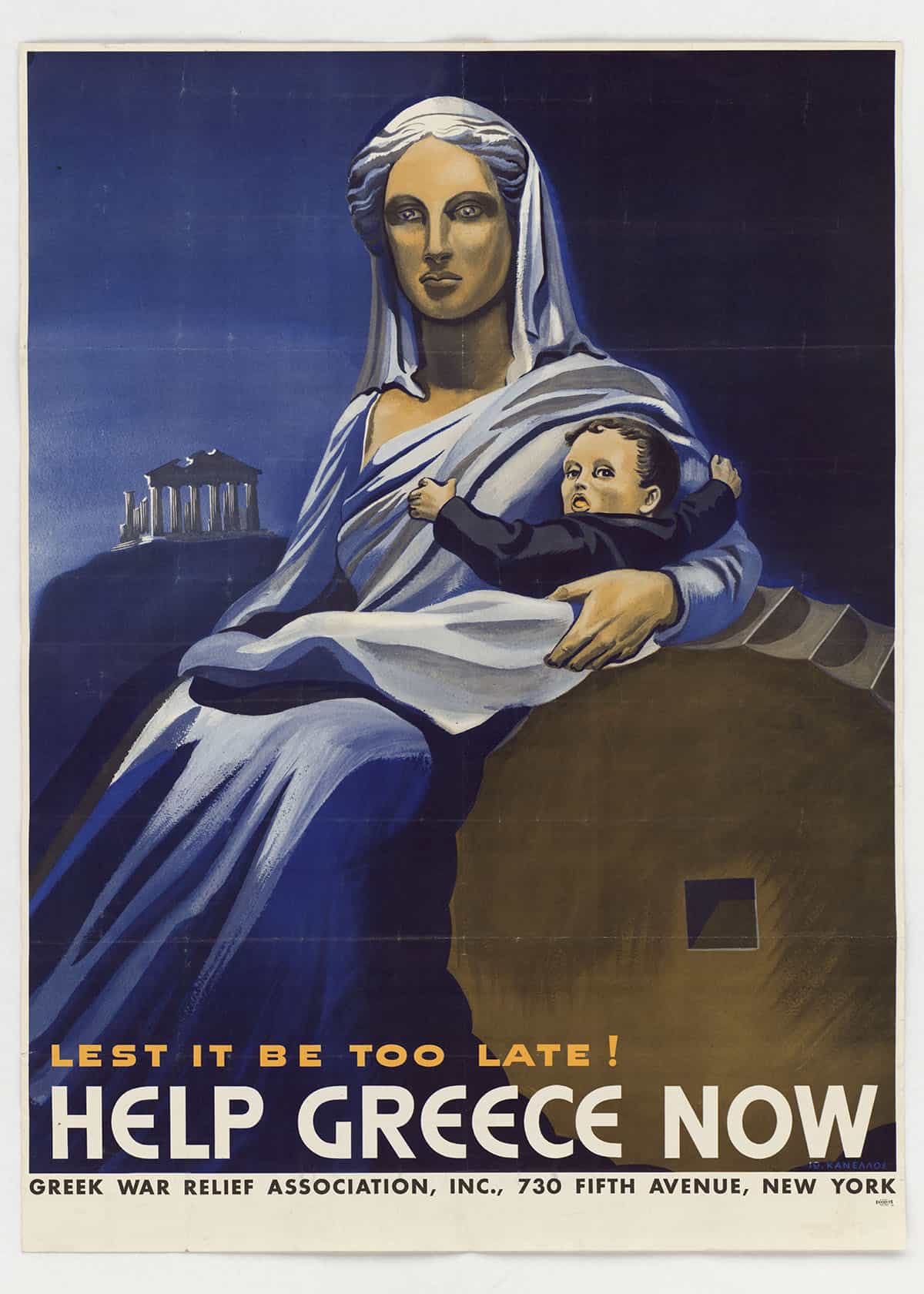
The GWRA did not rely on goodwill alone. It borrowed methods from the best national charities of its time and set up a professional fundraising office in New York. Business leaders helped design national campaigns. Hollywood studios donated airtime and film reels. From 1941 to 1945, contemporary reports credit the campaign with raising more than 75 million dollars in U.S. donations. Those funds paid for wheat, milk, medicine, and the logistics to deliver them into occupied Greece. It was one of the largest privately driven relief efforts of the war.
Canada Steps Up with the Greek War Relief Fund
The movement was continental. On November 15, 1940, Greek Canadians created the Greek War Relief Fund (GWRF) in Montreal and registered it under Canada’s War Charities Act. The Royal Bank of Canada served as fiscal agent and accepted contributions at every branch, making it easy for even the smallest communities to participate.
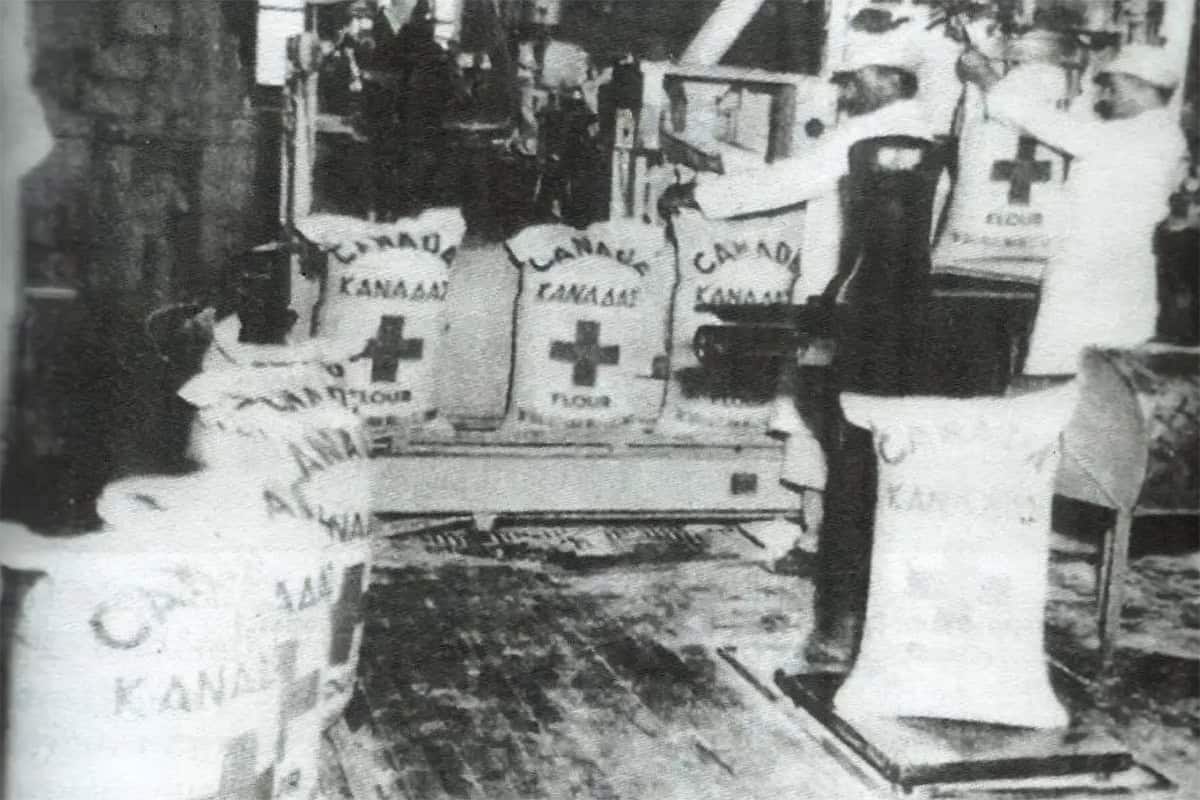
Greek shopkeepers in Toronto donated a day’s profits to the fund. Montreal’s Hellenic community hall hosted dances where admission fees went straight to relief shipments. Parish women in Ottawa and Winnipeg sewed winter coats and knit socks late into the night. By the end of the war, Canadian donations reached approximately $2 million CAD by 1945, a remarkable sum for a small immigrant community.
Canadian AHEPA chapters also worked in step with their American counterparts. They shared posters and fundraising ideas and coordinated with the Canadian Red Cross to move supplies across the Atlantic in wartime convoys.
Piercing the Blockade with Swedish Red Cross Convoys
Raising money was only the beginning. The British naval blockade, intended to starve Axis supply lines, also cut off Greece from the outside world. Famine spread through Athens and the islands. Diaspora leaders pressed Washington and London for a solution.
After months of negotiation, a breakthrough came in August 1942. Under the supervision of the Swedish Red Cross, neutral Swedish-flagged ships were allowed to run relief cargoes into the port of Piraeus. This delicate arrangement required the consent of the Allies, the Axis occupiers, and the International Red Cross.

Early convoys included the SS Formosa and MS Eros, and archival lists also name the SS Olbia and SS Moira among the vessels that kept up the lifeline. Over the next two and a half years, these ships carried wheat, dried cod, milk powder, medical supplies, and fuel for distribution trucks. A joint Swedish and Swiss relief commission monitored the unloading and distribution so that the food reached civilians rather than occupying troops.
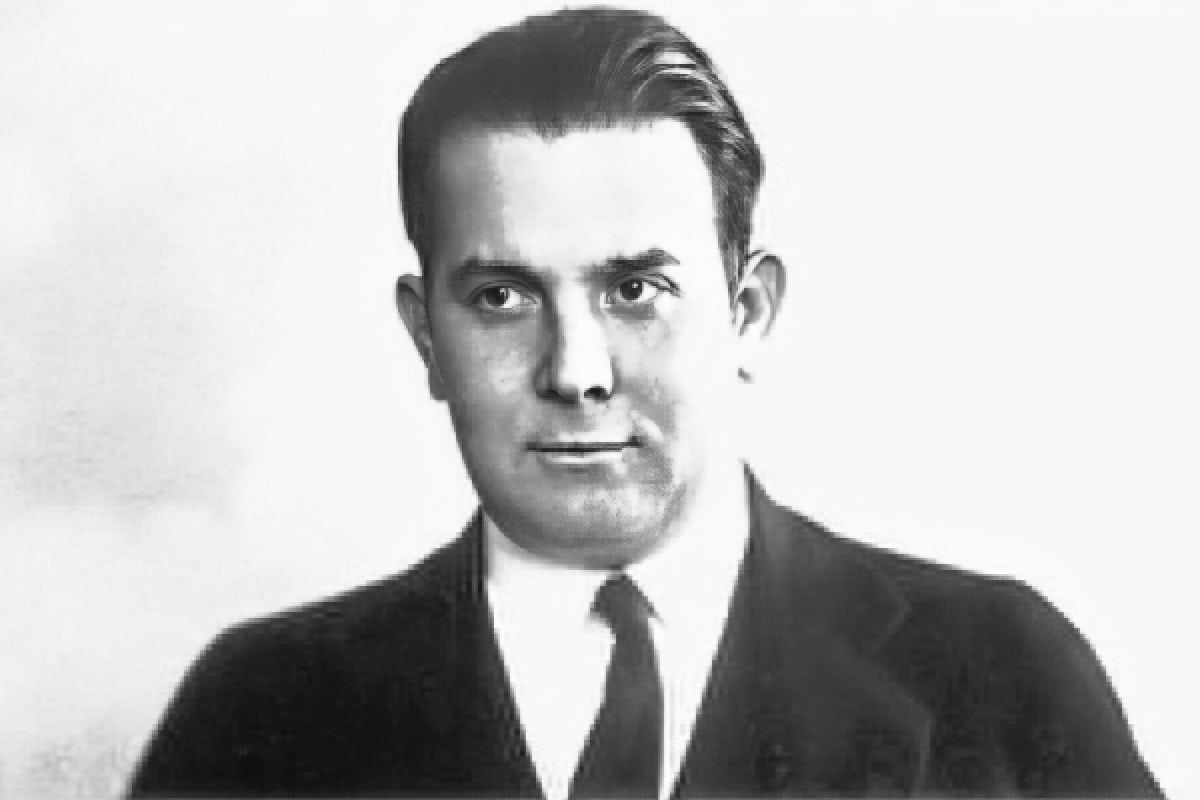
Spyros Skouras later recalled that when neutral carriers hesitated to accept the Greek government-in-exile’s signature without a financial guarantee, he personally pledged twenty-four million dollars so the first ships could sail. Whether or not he bore the entire risk, the story captures the determination of the diaspora to keep the lifeline open.
Feeding and Healing a Starving Nation
Relief meant more than bread. Photographs from Thessaloniki show mothers and children receiving GWRA parcels. Truman Library collections preserve images of schoolchildren in Epirus eating their first full meals in months.
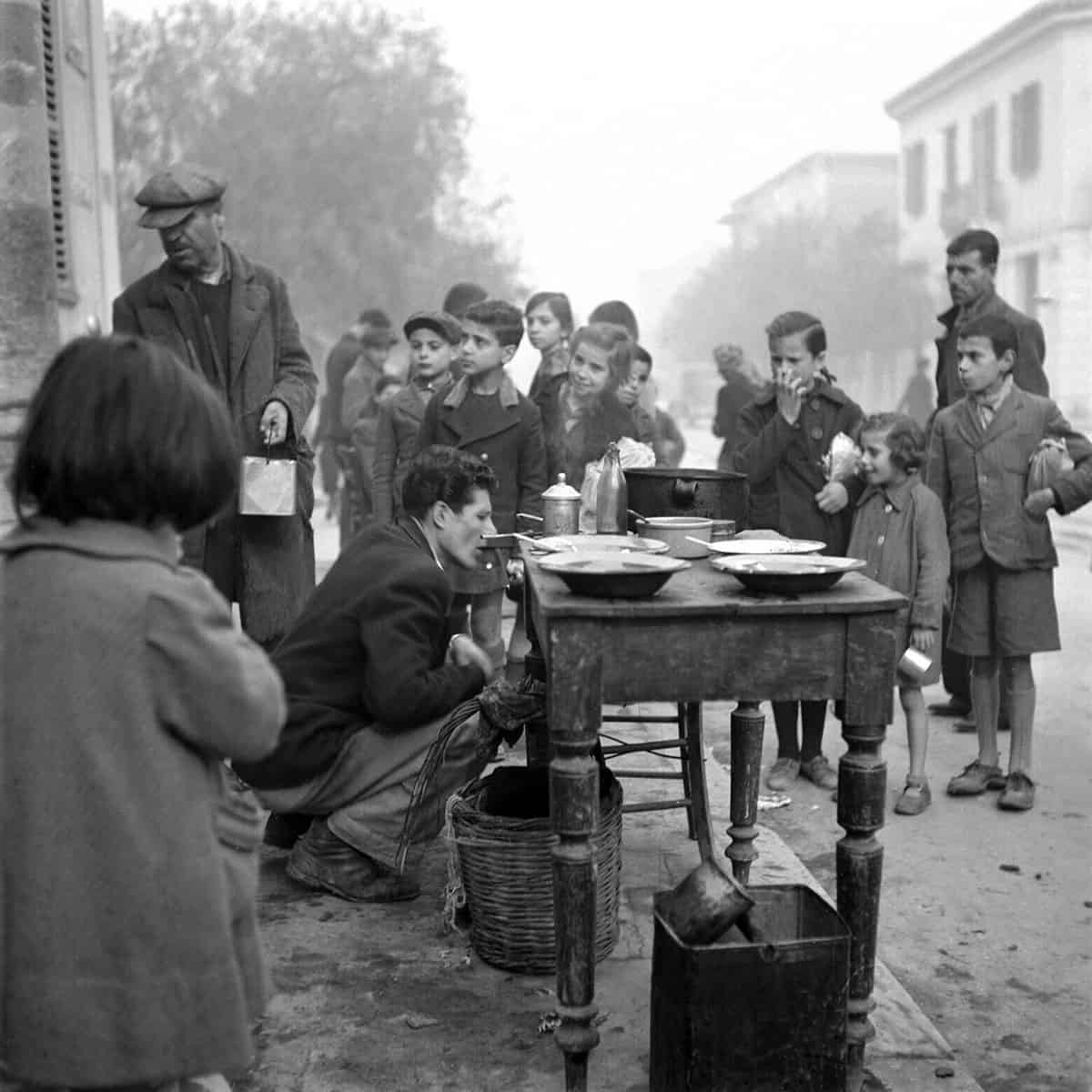
In 1946, the United Nations Relief and Rehabilitation Administration (UNRRA) and GWRA sponsored child-feeding stations designed to provide 600 to 700 calories per meal. By mid-year, they were feeding around a quarter of a million children each day. Between 1946 and 1947, the combined programs reached hundreds of thousands of children, especially in Epirus and Macedonia.
The relief effort also delivered medical supplies and helped establish community clinics. Volunteer doctors and nurses, many trained abroad, returned to staff small rural dispensaries. After liberation, a campaign known as “Give an Animal to Greece” sent livestock to rural families so they could restart their farms. Families who had lost everything received goats or a pair of sheep, gifts that provided both food and a chance to rebuild.
Shaping Opinion in Washington and Ottawa
While food and medicine crossed the seas, diaspora leaders fought a second battle in newspapers and in Congress. The American Friends of Greece, an interwar philhellenic group, revived its work in 1942 and issued a commemorative pamphlet, “Let Freedom Ring: Greek Independence Day in New York, March 25, 1942.”
Copies of the pamphlet were sent to members of Congress, editors of major newspapers and church leaders across the country. The text framed Greece’s struggle as part of the larger fight for Allied freedom and helped persuade officials to maintain the humanitarian shipping corridor. Greek Americans also organized letter-writing campaigns and public rallies that drew both Greek and non-Greek supporters.
Uniting Greek America: The Pan-Hellenic Congress Attempt
AHEPA, already the largest Greek American fraternal order, used its 1941 Supreme Convention in Cincinnati to convene a Pan-Hellenic Congress. Delegates from AHEPA, the Pan-Arcadian and Pan-Cretan societies, the Greek American Progressive Association, and other groups tried to create a permanent American Pan-Hellenic Federation to coordinate relief and advocacy.
Archbishop Athenagoras served as honorary chair. The idea of a standing federation eventually faded, but during the war years, the cooperation it inspired gave the relief effort a reach no single organization could have achieved on its own. For a brief moment, Greek Americans across rival societies set aside old quarrels in order to work together for the homeland.
Greek Americans in Uniform: The 122nd Infantry Battalion
Service to Greece did not stop with fundraising. On January 8, 1943, President Franklin D. Roosevelt signed an Executive Order creating the 122nd Infantry Battalion (Separate) at Camp Carson, Colorado. Often called the Greek Battalion, it recruited Greek Americans and Greek nationals for special operations.
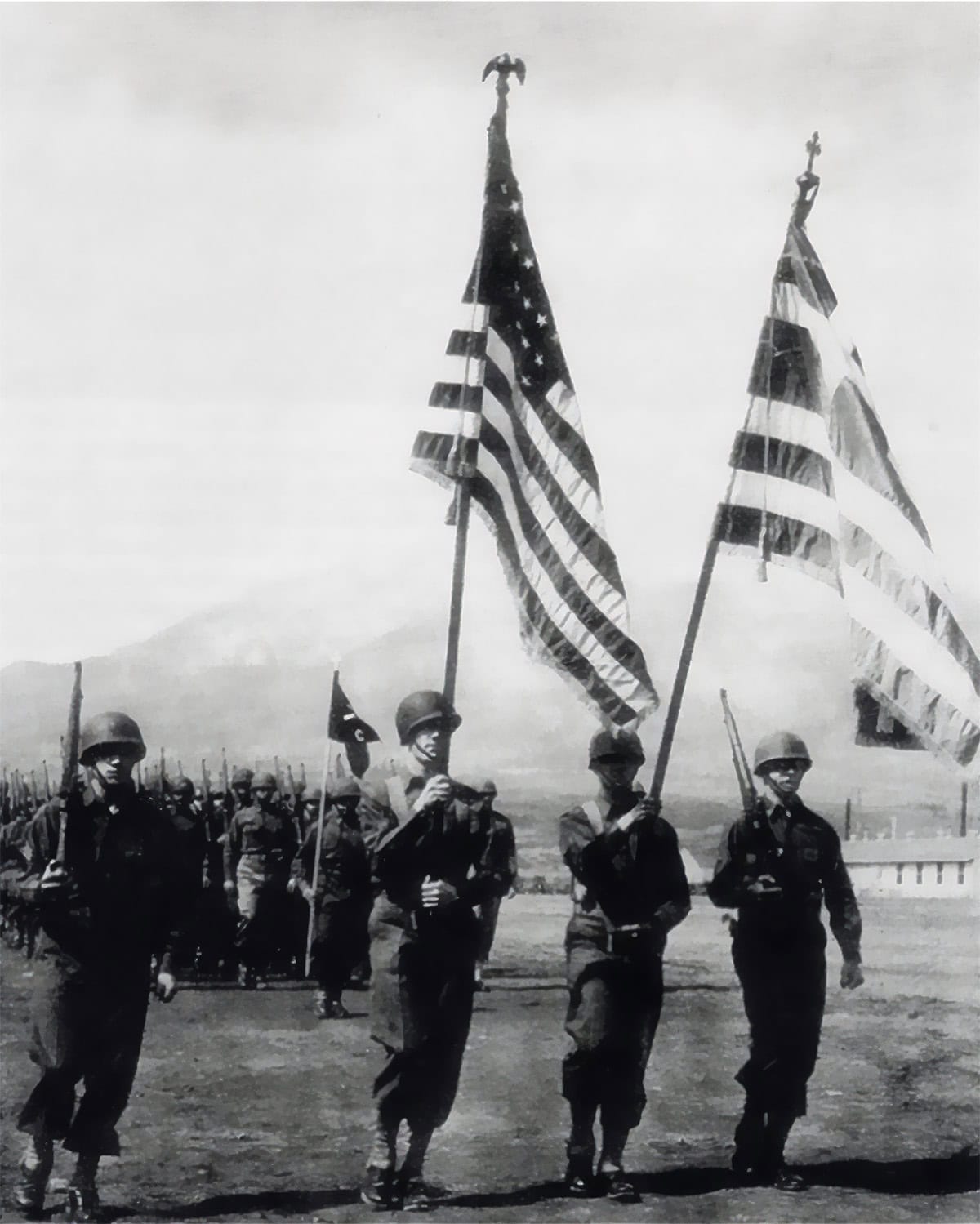
The battalion later became Company C, 2671st Special Reconnaissance Battalion under the Office of Strategic Services (OSS). In 1944, these men parachuted or slipped into occupied Greece to work with British forces and Greek resistance fighters, blowing up bridges, ambushing German convoys, and disrupting the Wehrmacht’s withdrawal. About two hundred volunteers served, and most returned quietly to diners, garages, and parish life without ever boasting of their missions.
From Wartime Triumph to Lasting Legacy
Greek Americans and Greek Canadians were in a unique position. Their homeland was an Allied nation, so their appeals found a receptive audience in Washington, Ottawa and London. Prominent non-Greek figures such as Harold S. Vanderbilt, university presidents and major publishers served openly on GWRA boards, signalling that helping Greece was part of the Allied cause, not just an ethnic charity.
The relief campaign also showed a remarkable ability to bridge social and economic lines within the Greek diaspora. Wealthy shipping families and working-class café owners, recent immigrants and second-generation professionals all found a role. This broad base of support gave the effort both credibility and staying power.
By the end of the war and into the hard years of 1946 and 1947, the Greek War Relief model of national committees, neutral shipping, Red Cross distribution and relentless communication became a template for later diaspora action. The same networks powered CARE parcel drives, the campaign for Dodecanese unification and later advocacy for Cyprus.
For Greek communities, the experience proved that parishes, AHEPA houses and business networks could mobilize quickly and effectively when the homeland needed them. The habits of organization and public advocacy forged in those years still shape Greek North American life. They also created a sense of collective identity that continues to inspire community projects and philanthropy more than eighty years later.
Key Facts
- Founding: GWRA formed November 8, 1940 with Spyros P. Skouras as chair and Archbishop Athenagoras as vice chair.
- Funds raised: Over 75 million dollars in U.S. donations between 1941 and 1945.
- Canada: GWRF established November 15, 1940 under the War Charities Act; donations collected at Royal Bank of Canada branches, totaling about $2 million CAD by 1945.
- Neutral convoys: Began August 1942 under Swedish Red Cross supervision; ships included SS Formosa, MS Eros, SS Olbia and SS Moira.
- 122nd Infantry Battalion: Executive Order signed January 8, 1943; later Company C, 2671st Special Reconnaissance Battalion (OSS).
- Child nutrition: UNRRA and GWRA programs provided about 250,000 daily meals by mid 1946, serving hundreds of thousands of children in 1946–47, especially in Epirus and Macedonia.
- American Friends of Greece: 1942 pamphlet “Let Freedom Ring” documented the information campaign.
If you have family photos, letters, or AHEPA minutes from 1940 to 1947, we would love to feature them in a follow-up piece. Contact the Cosmos Philly History desk.