
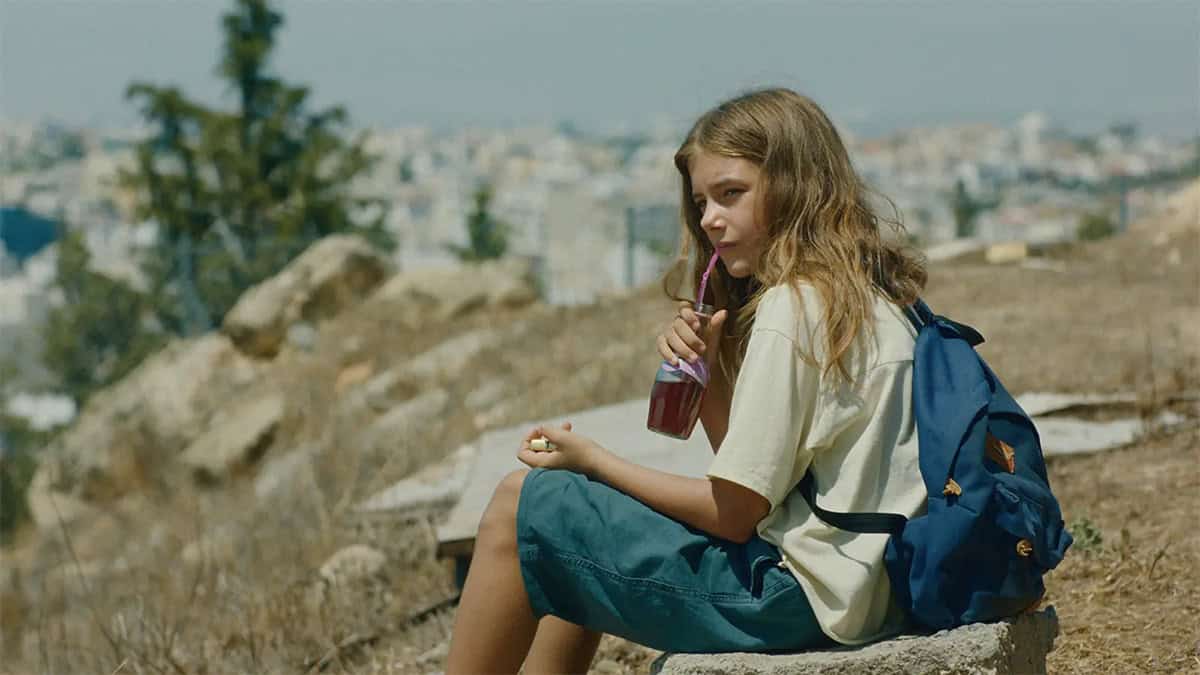
For its 20th edition, the Los Angeles Greek Film Festival handed its top prize to a Cypriot drama. Hold Onto Me took the Orpheus Award for Best Feature Fiction, capping an anniversary year with a winner that pushes Cypriot cinema toward the center of the festival’s conversation.
Directed by Myrsini Aristidou, the film was described by LAGFF as a tender, deeply human story about longing, visibility, and the need to be loved. As a Cypriot production, its win also underscores the presence of filmmakers from across the Greek-speaking world at a festival that has long included work from both Greece and Cyprus.
Named for Orpheus, the mythic poet and musician whose songs were said to move stones and tame wild things, the awards recognize Greek and Greek-inspired cinema, with categories covering features, shorts, animation, performance, audience favorites, and special jury recognition. This year’s list drew on Greece, Cyprus, and the wider Greek and Mediterranean world, with stories shaped by migration, girlhood, family rupture, queer identity, masculinity, memory, illness, and displacement.
The Best Director award went to Krysianna B. Papadakis and Stergios Dinopoulos for Bearcave. The film’s rural setting could have invited familiar images of village life, but LAGFF’s recognition pointed toward something more textured, working with intimacy, friendship, desire, and the pressure of self-definition in a place where tradition and personal freedom do not sit side by side comfortably.
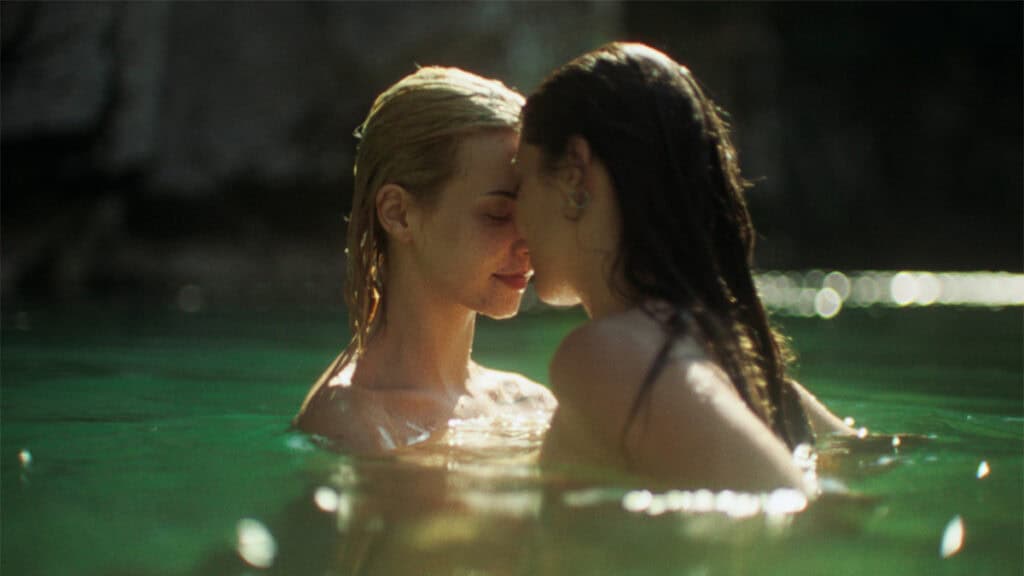
It is one of the clearest patterns in this year’s slate. The honored films do not use Greekness as decoration. They use it as terrain. Village life, family expectation, language, memory, and social pressure appear throughout the winners not as postcard material but as lived forces, where Greek identity is active and uneasy rather than frozen in custom.
Denise Fraga won Best Performance for her role in Dreaming of Lions, directed by Paolo Marinou-Blanco, a film that sits where Greek, Mediterranean, European, and diaspora-linked storytelling overlap.
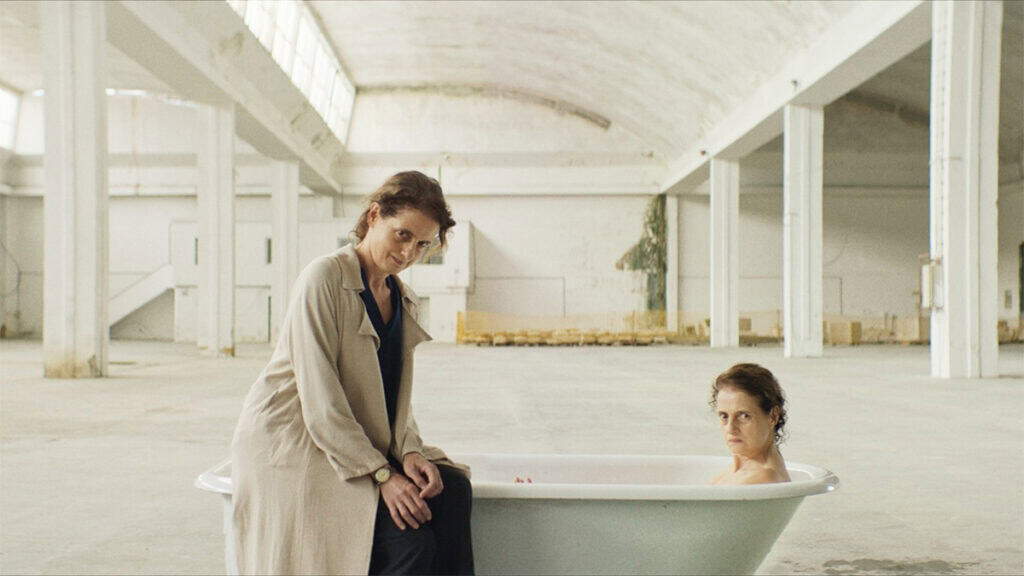
The short-film awards carried some of the festival’s sharpest social observations. Prelude to a Supernova by Christos Artemiou won Best Short Film, while Gekas by Dimitris Moutsiakas received a Special Jury Award, recognized by LAGFF for its treatment of masculinity, violence, and rites of passage in the rural mountains of Greece.
In animation, Dream by Semiramis Mamata won Best Animation, and Poppy Flowers by Eyridiki Papaiyakovou received a Special Jury Award, both working outside traditional narrative realism in favor of memory, texture, and visual experimentation.
The Audience Awards went to Best Friends Forever by Konstantinos Mousoulis and The Smoker by Alexa Economacos. The Social Justice Awards recognized Maysoon by Nancy Biniadaki and Wolves Return by Stelios Moraitidis, adding displacement, immigration, corruption, and moral silence to the 2026 program.
Taken together, the winners suggest a festival less interested in presenting Greek cinema as a fixed category than in showing how flexible that category has become. Some films look inward, toward family, childhood, and village life. Others look outward, toward migration, death, gender, violence, and international collaboration.
Founded in 2007, LAGFF has spent nearly two decades bringing films and filmmakers from Greece, Cyprus, and the Greek diaspora to audiences in the United States. It now operates within a broader ecosystem that includes the Global Greek Film Initiative and LAGFF-doc, a documentary-focused program.
For the Greek-American community, the festival functions as a meeting point between Greece, Cyprus, the diaspora, and the rest of the film world, and as a way for audiences to see how Greek identity is being reworked by a new generation of artists.