
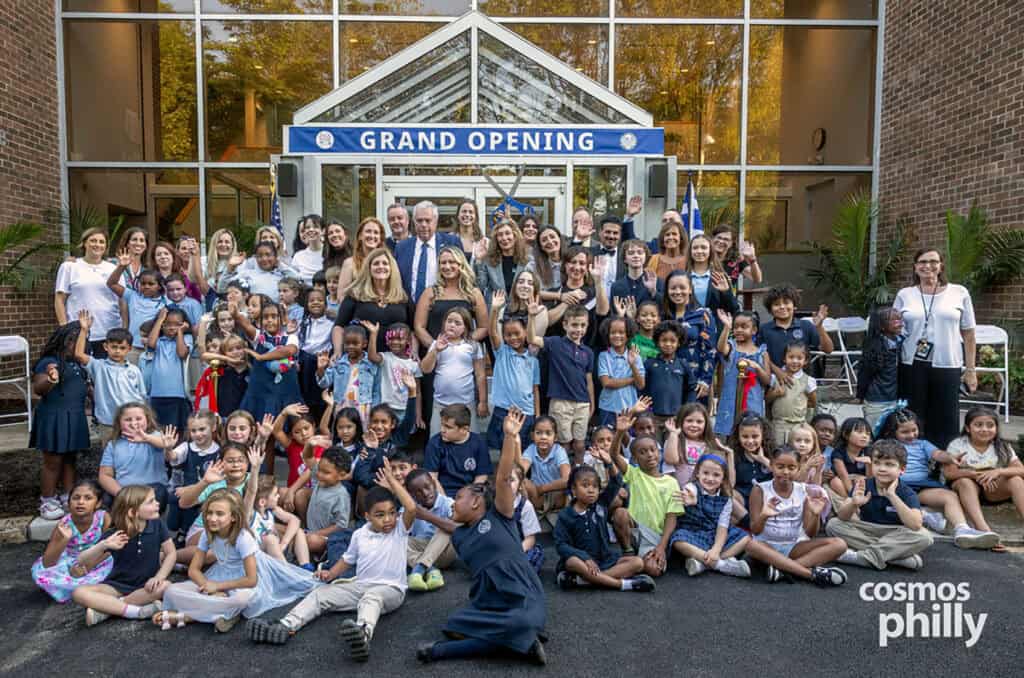
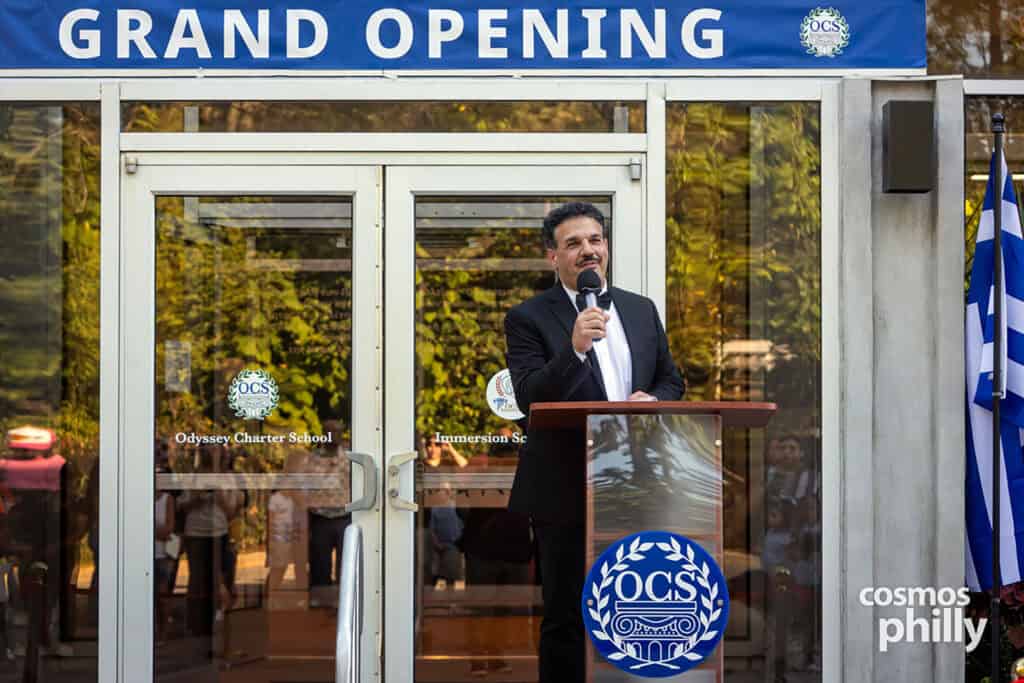
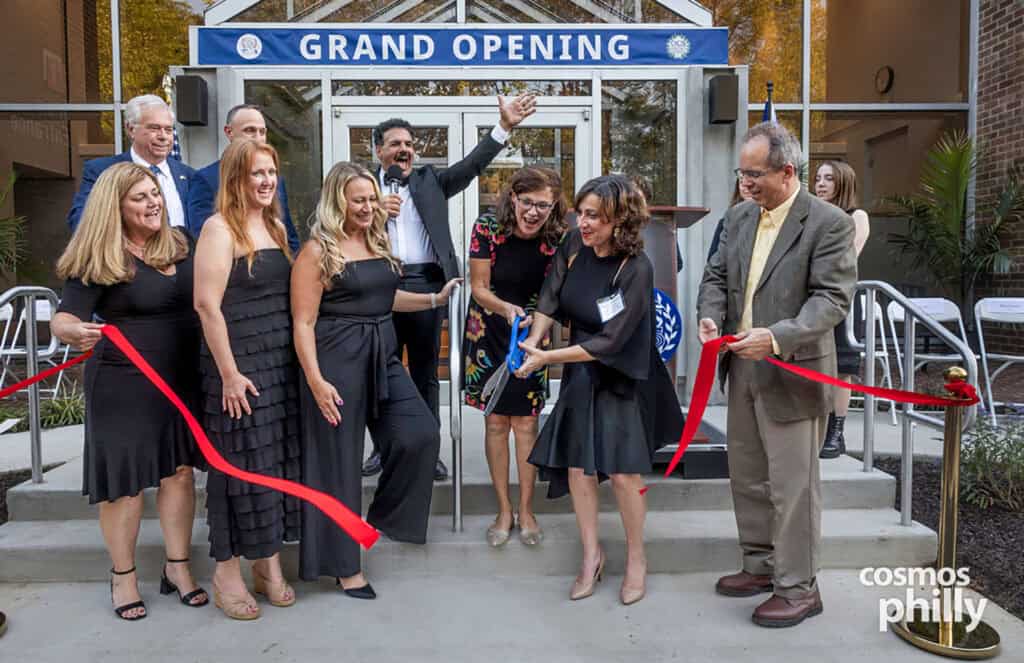
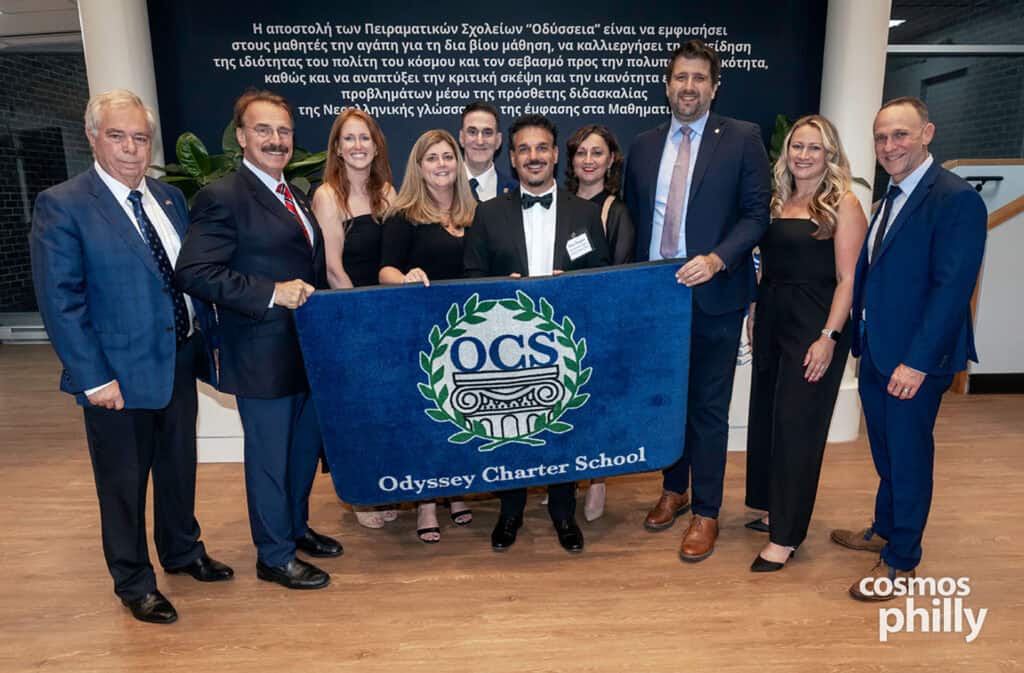
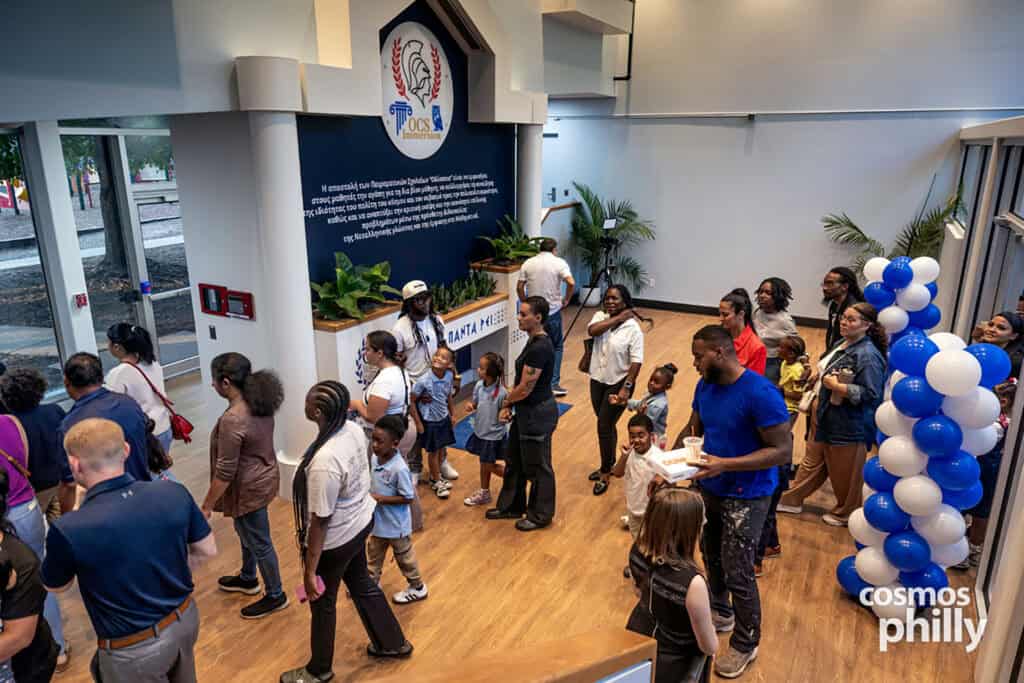
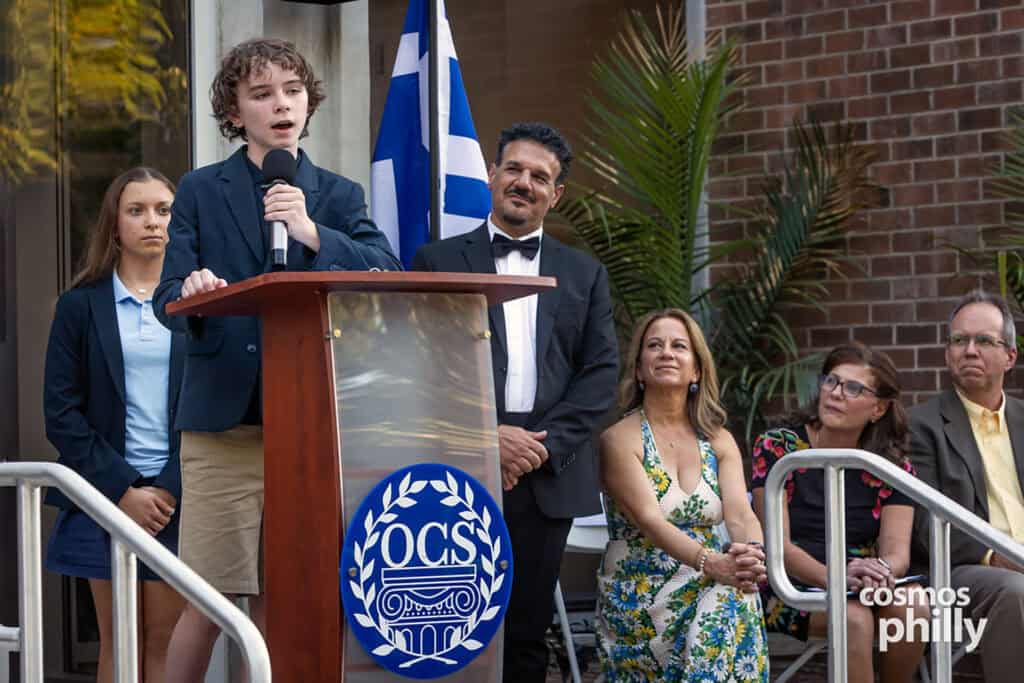
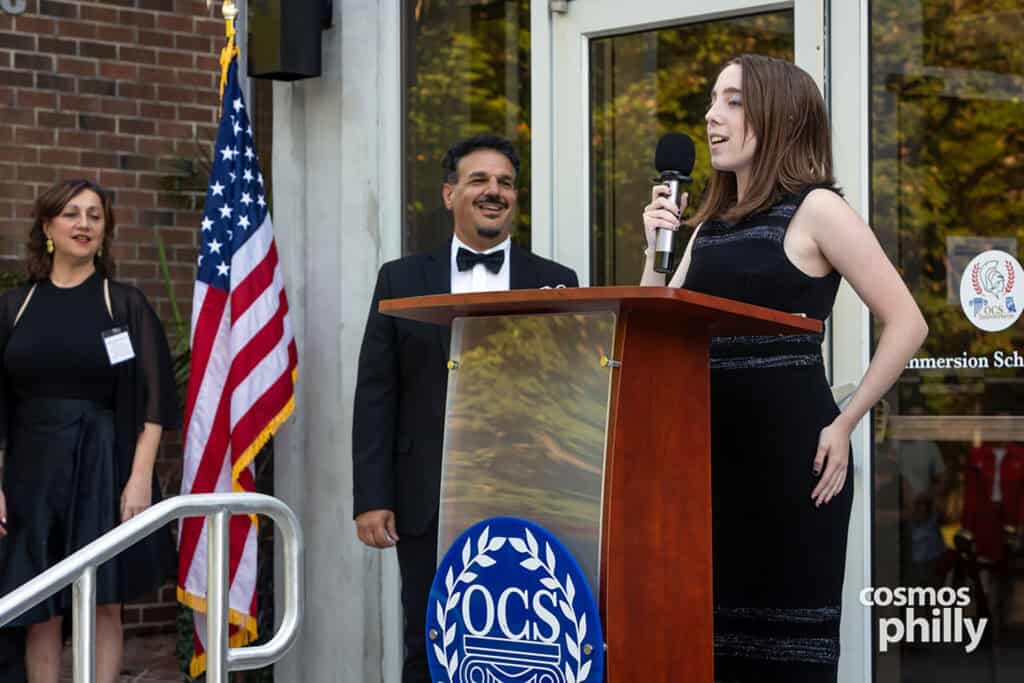
After twenty years of planning and growth, Odyssey Charter School in Wilmington, Delaware opened Building 27 on September 18, the first dedicated Greek immersion facility in the United States, according to the school and Delaware Department of Education filings.
The school’s story began modestly. In the early 2000s, a handful of local AHEPA volunteers sold gyros at the Brandywine Arts Festival, raising $65,000 to plant the seed for a new kind of charter school. In 2006, Odyssey opened in a rented office building next door with just 130 students in kindergarten through second grade. From that small beginning, the vision steadily expanded.
Today, the Greek immersion program has become the school’s hallmark. Started in 2017, it now reaches kindergarten through eighth grade.
Most American immersion schools pair English with widely spoken languages such as Spanish, French or Mandarin and draw on large native-speaking communities. Greek, by contrast, is a heritage language with a much smaller U.S. base. Odyssey’s success shows that even a low-incidence language can match the academic gains seen in those larger programs when it is backed by strong curriculum design and sustained community support.
Its innovative approach earned Odyssey national attention as a 2023 Yass Prize finalist and recipient of the $500,000 STOP Award for education innovation.
The student body is overwhelmingly non-Greek-speaking—roughly 97–98 percent, according to school leaders—and broadly diverse, including about 31 percent African American, 19 percent Asian, 10 percent Hispanic/Latino, and 35 percent White in the 2022–23 school year.
“Unlike possibly other immersion programs that rely on native speakers to balance their classrooms, our classrooms are over 98% non-Greek native speakers,” explained Executive Director Elias Pappas. “You’re looking at a true testament to what bilingual education can do for these kids, and these kids are outperforming kids that do not take immersion by 100%, 200%, and more on standardized testing.”
Dr. Ioanna Lekkakou, Dean of Hellenic and Classical Education, underscored how the program blends Greek and American standards. “We follow the American curriculum 100%,” she said. “Our students learn math and science in Greek K–5, and in middle school, they have social studies, geography, and history in Greek. We blend the Hellenic spirit with the American education—and that’s why we are so successful.”
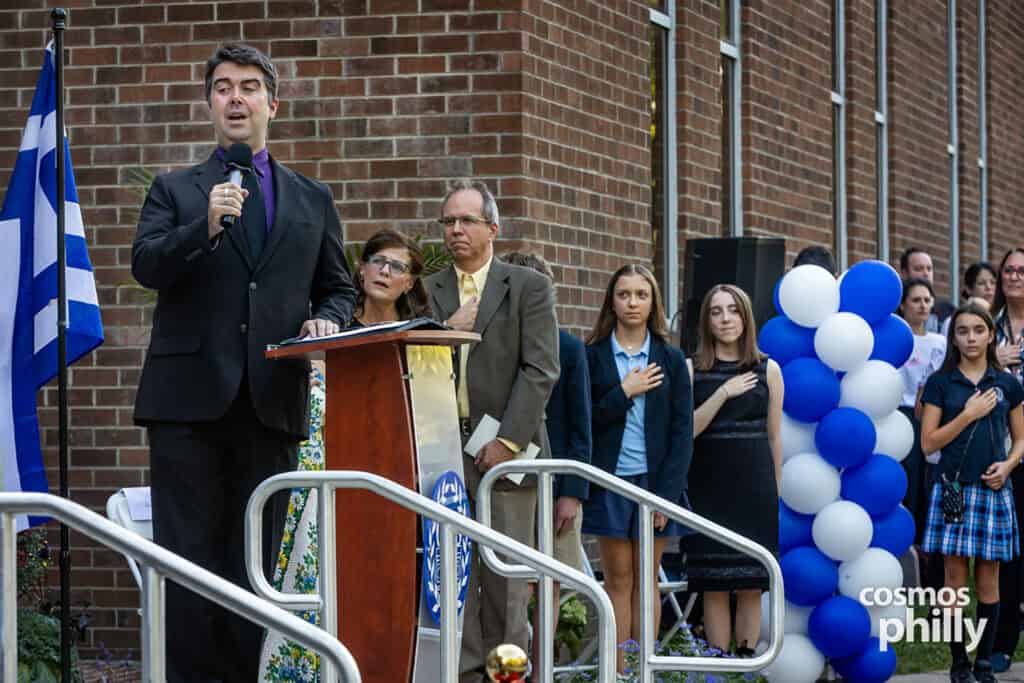
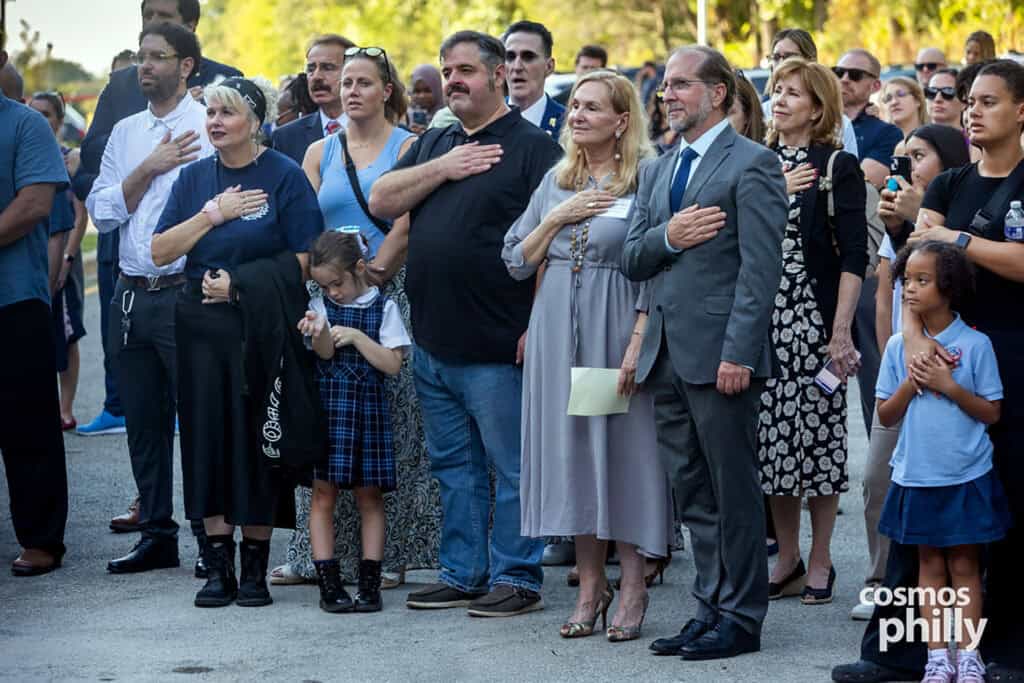
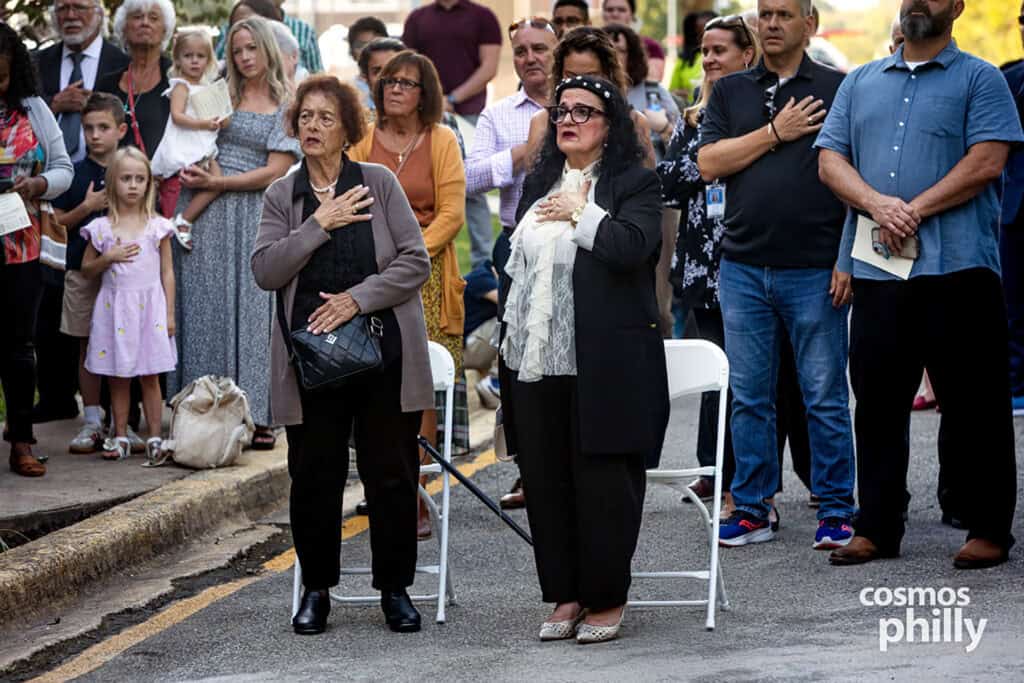
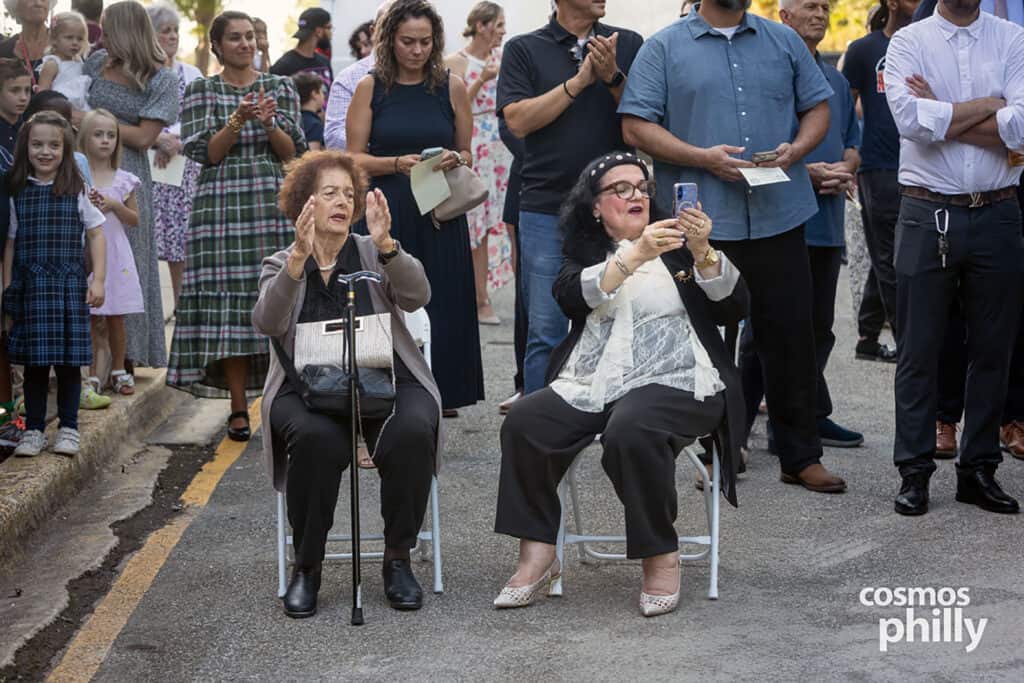
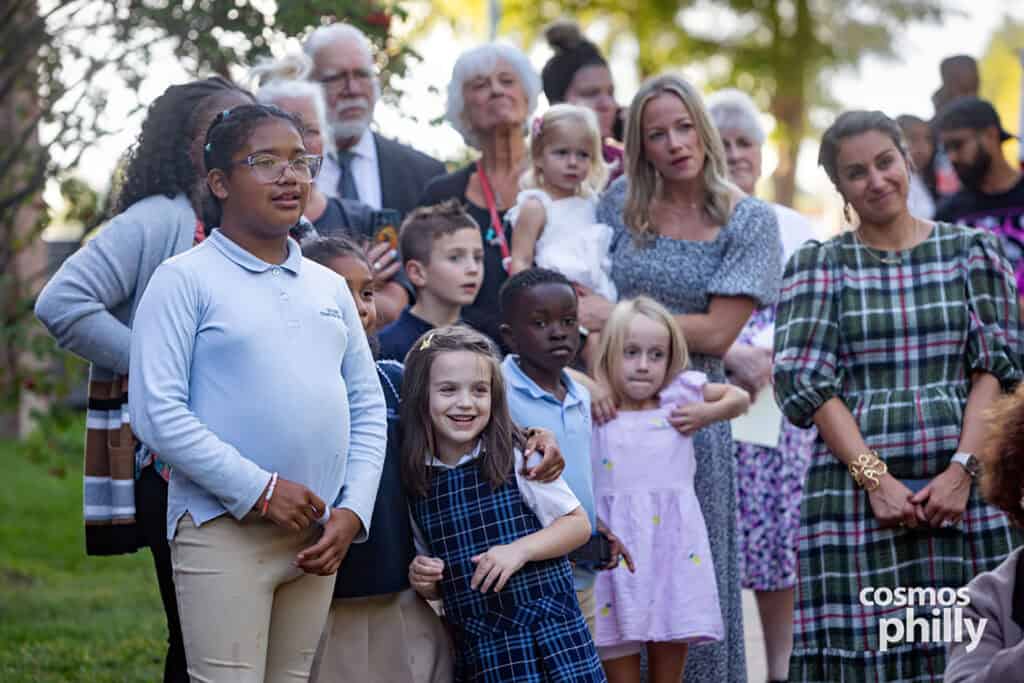
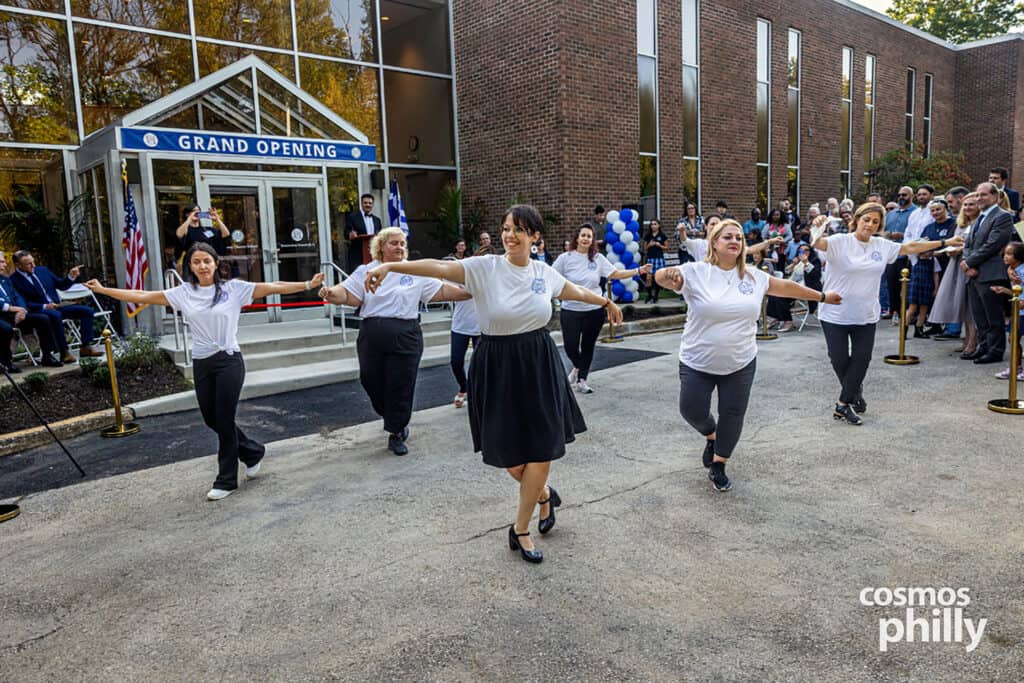
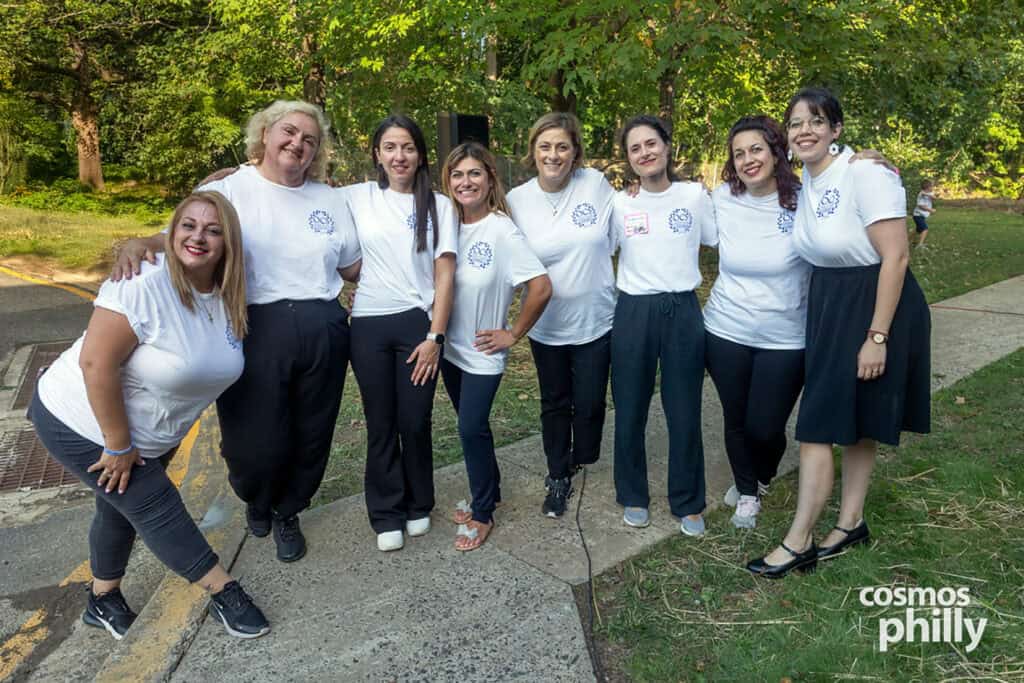
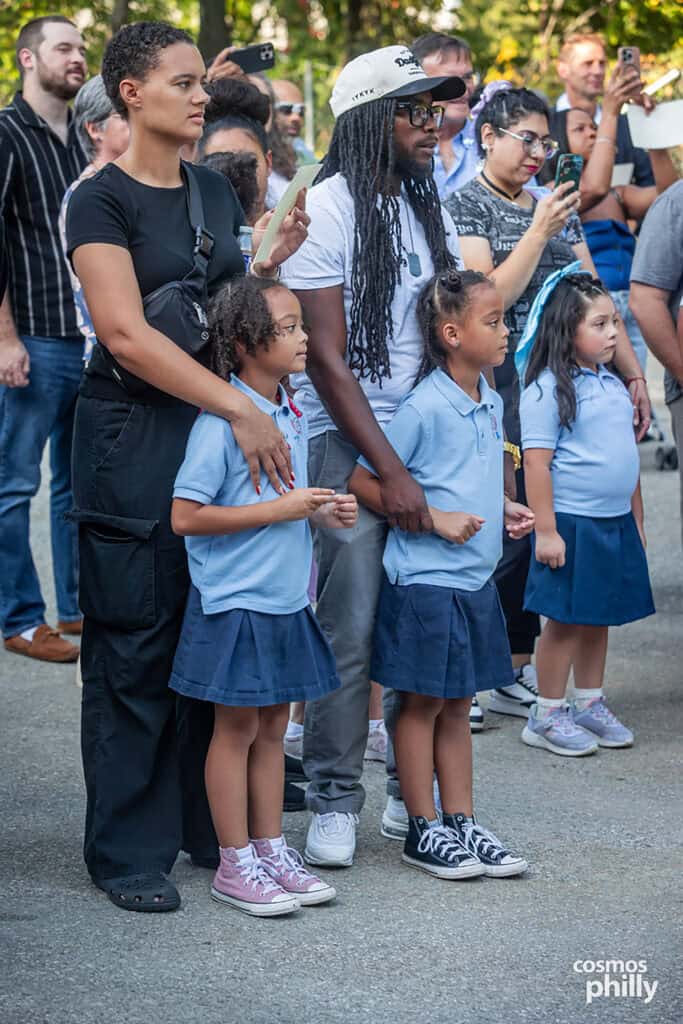
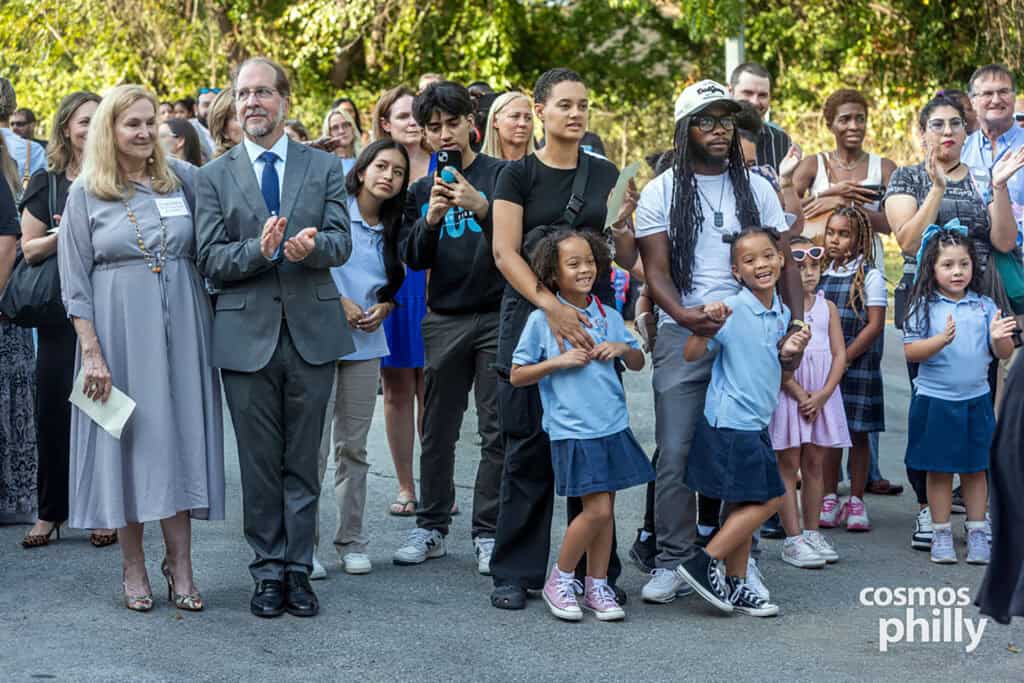
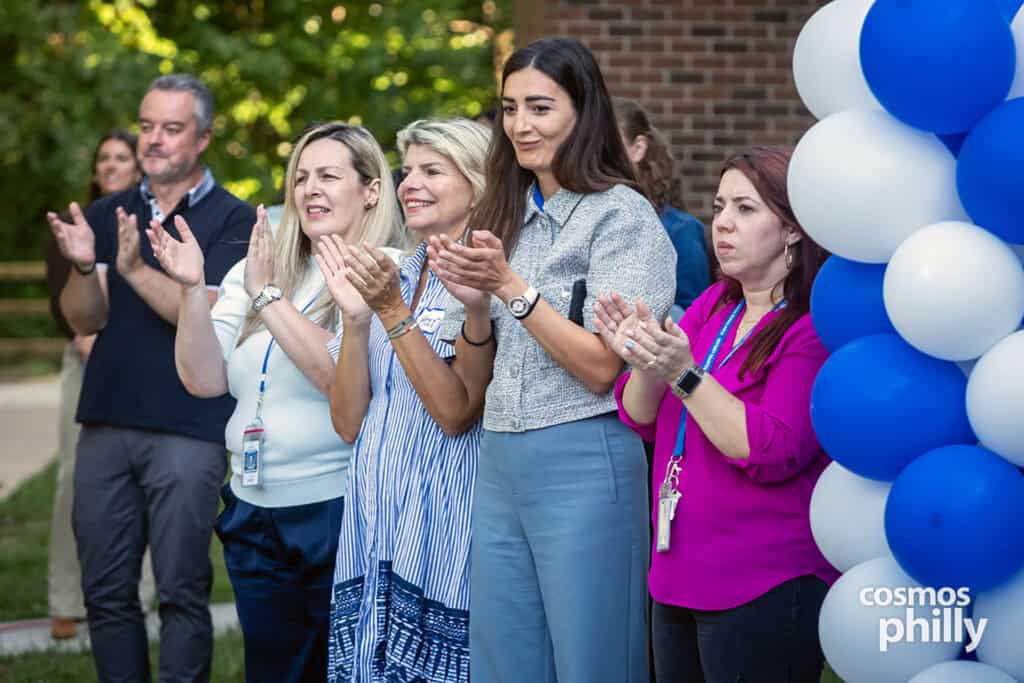
Hundreds of families, alumni, and dignitaries gathered as Greek and American anthems filled the autumn air. Five Odyssey Greek teachers opened the evening with a spirited Zorba dance that linked ancient tradition with the school’s modern mission.
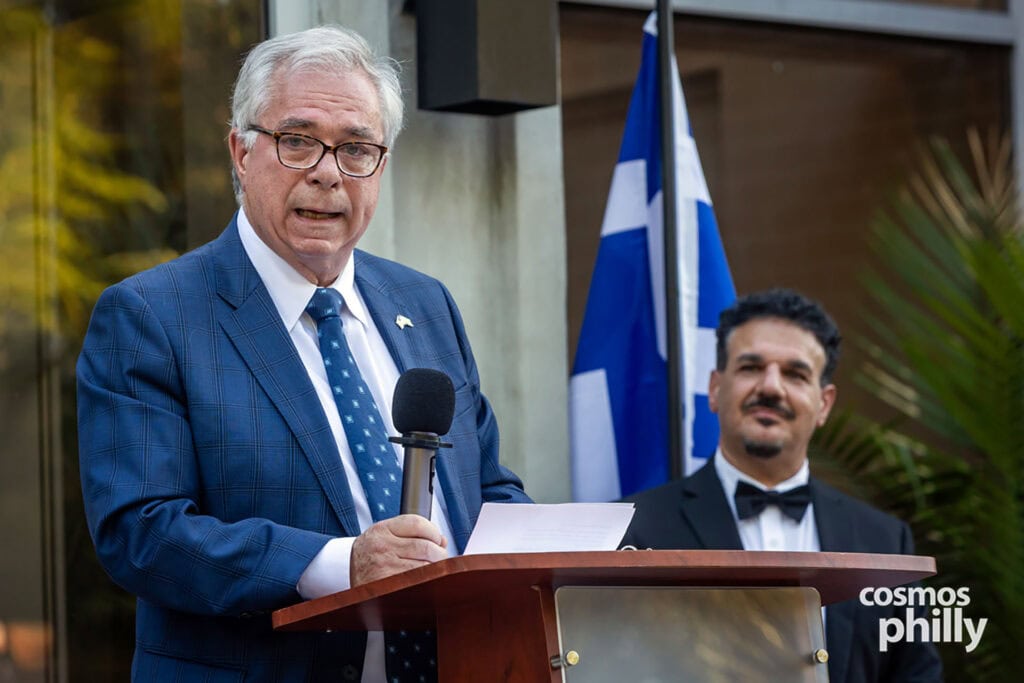
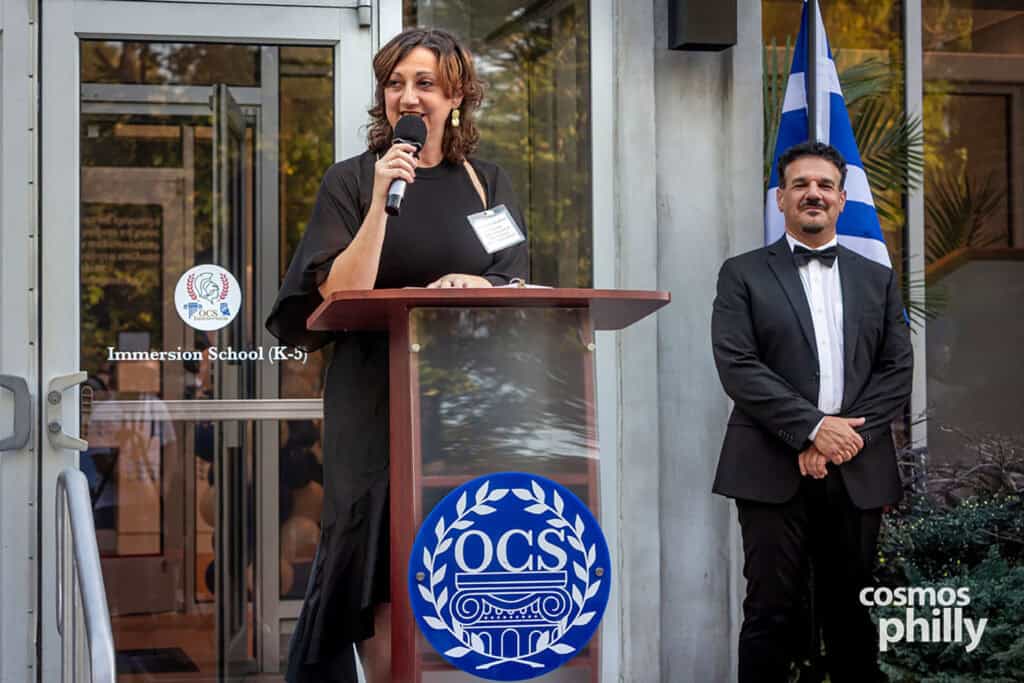
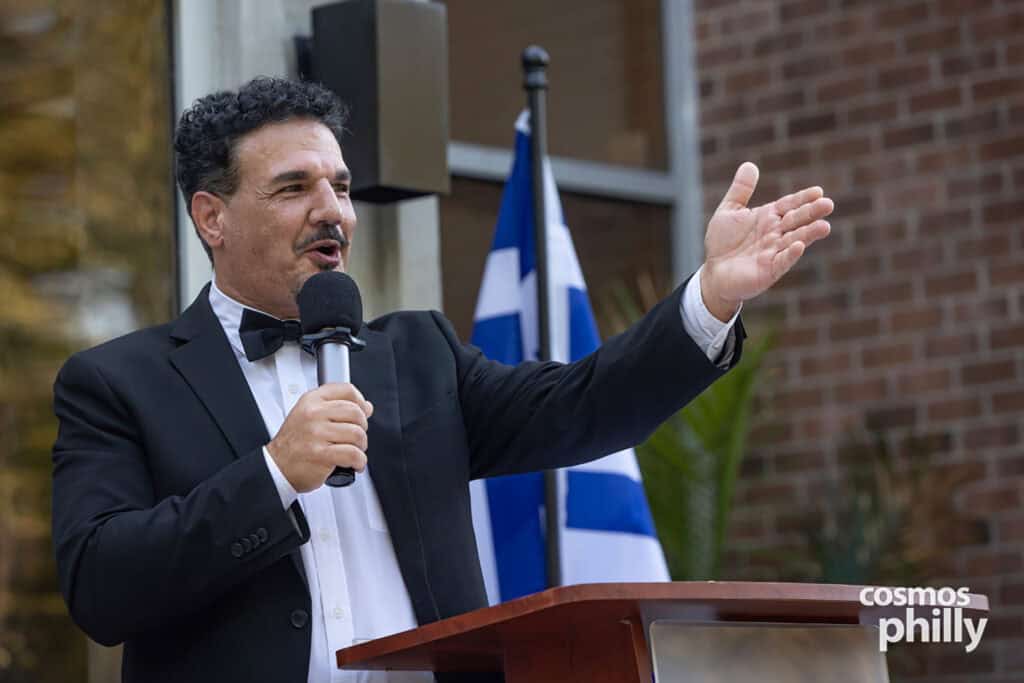
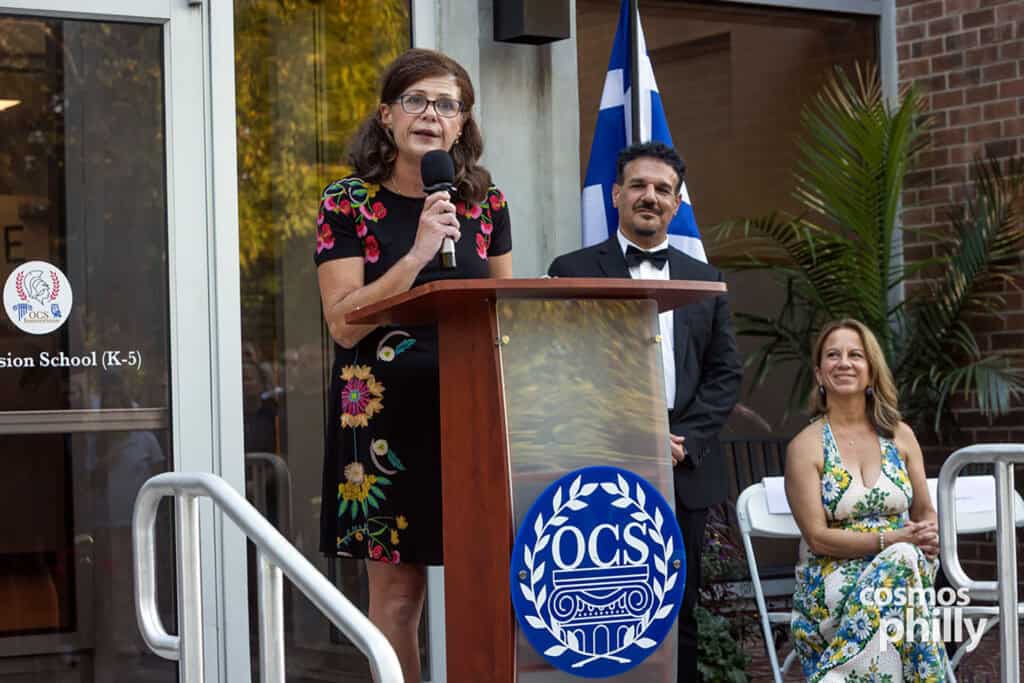
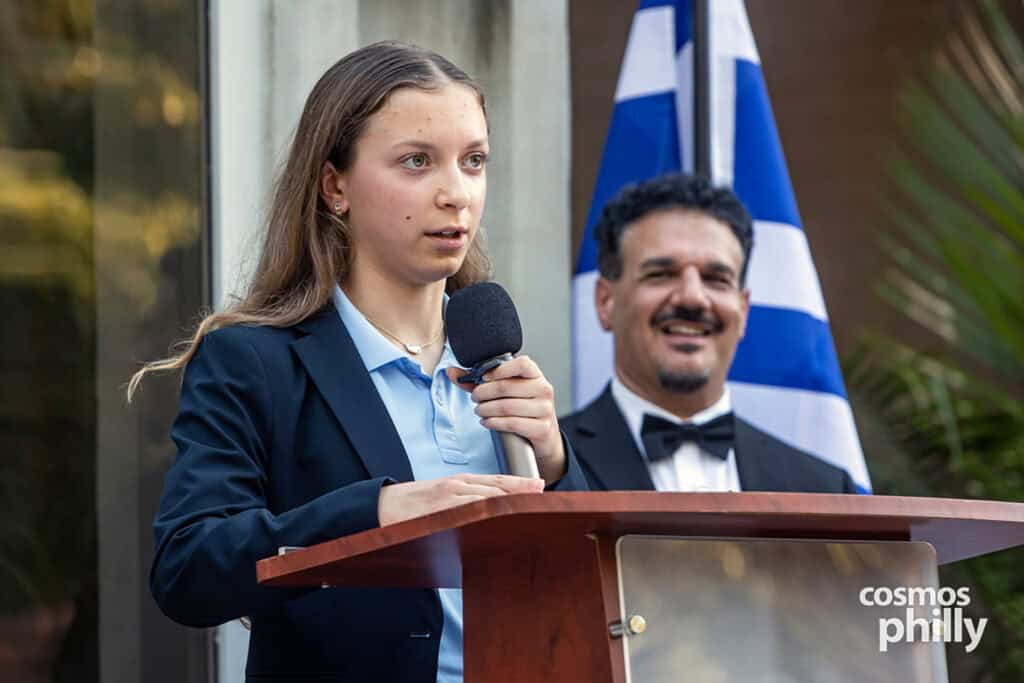
Pappas welcomed the crowd with gratitude and pride. He traced the school’s roots to the Greek idea of philanthropia and to paideia, the formation of character and citizen. “Immersion does more than teach vocabulary; it cultivates logos—the ancient Greek ideal of reasoned speech and thoughtful understanding,” he said. “It trains the ear and the heart for reason and empathy, and nurtures the civic traditions we inherited in America from the ancient polis: critical thinking, inclusive dialogue and shared responsibility.”
He spoke of the personal connection behind his work. “I grew up around the church, in my community—Goya, Greek dance, altar boy,” he said. “You never know when something is going to trigger later in your life to create something that is part of your essence and your being to share with the world.”
Pappas credited early leaders who shaped the school’s path: George Righos, who worked with Greece’s Ministry of Education to bring books and teachers; George Chambers, Odyssey’s first board president, who secured the charter; and Tony Skoutelas, the first principal, who set enduring academic standards.
State education leaders and scholars in Delaware and Greece also helped design the immersion model. Among them were Dr. Gregory Fulkerson of the Delaware Department of Education, Dr. Lynn Fulton, and Dr. Marina Mattheoudakis of Aristotle University of Thessaloniki, who spent two years in Wilmington to help establish the program.
For Niki Tantalou, who has served at Odyssey since 2009 and now leads the immersion program, the evening marked the culmination of years of work. “I am so happy that finally the immersion program found its Ithaca,” she said. “It has been such a journey and such a joy to see the school expanding and adding more students, more classes, more rigor in its program.”
The new Building 27 reflects all these efforts. It was erected to house the K–5 immersion program, while middle school immersion has now moved to an integrated model within the overall middle school curriculum. The facility features specialized classrooms, language labs and collaborative spaces designed to keep Odyssey’s average class size near twenty and its 12:1 student-teacher ratio intact as enrollment grows toward its authorized 2,380 seats. The first high school immersion graduates are expected in 2030, a milestone that will continue the story celebrated on this night.
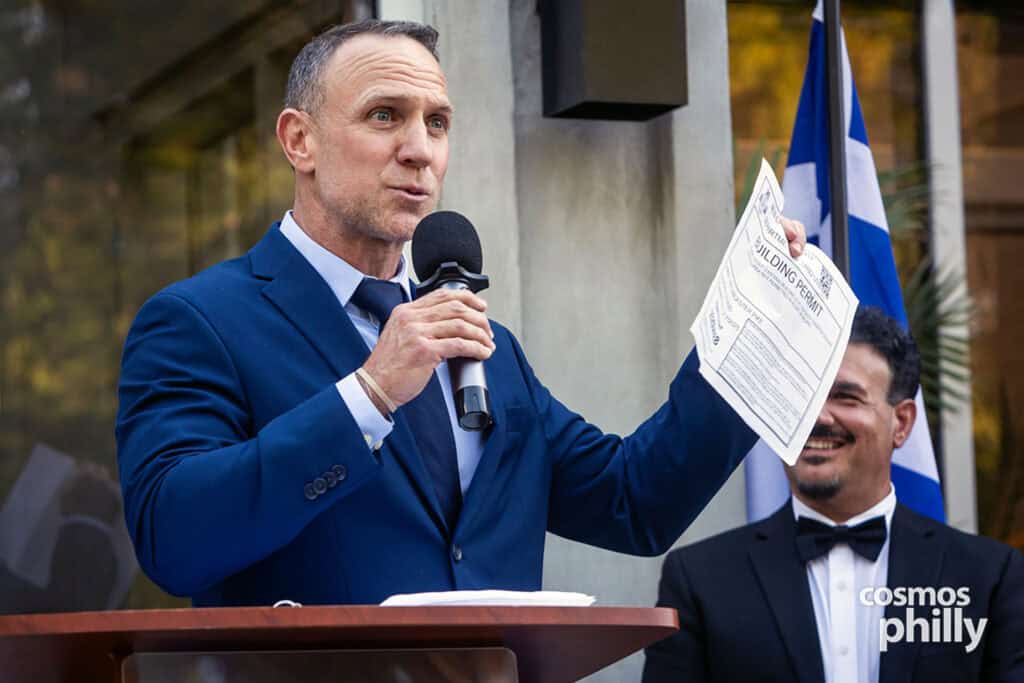
The pride extended well beyond the school community. Chris Kaitson, newly elected Supreme President of AHEPA, called the achievement “phenomenal,” noting that in only twenty years, “the folks that obviously were here had a vision… I think we far exceeded what the vision was. Anything is possible if you have folks who believe and want to get it.”
Founding board member Dimitri Dandolos, who taught Greek to Odyssey’s first classes in 2006, later recalled how that first $65,000 AHEPA fundraiser launched the school and connected its growth to the Greek tradition of philanthropia—love of humankind that fosters paideia, the formation of character and citizen.
Pappas closed the evening with a call to sustain the mission. “May Odyssey continue to be a living polis, a place where young people learn to think with care, speak with courage and act for the common good.”
For Delaware’s Greek American community and for public education across the country, the ribbon-cutting of Building 27 was more than a local ceremony. It was a powerful reminder that language and culture can bridge continents and generations, shaping citizens for both Greece and America.
Watch the full ceremony: