
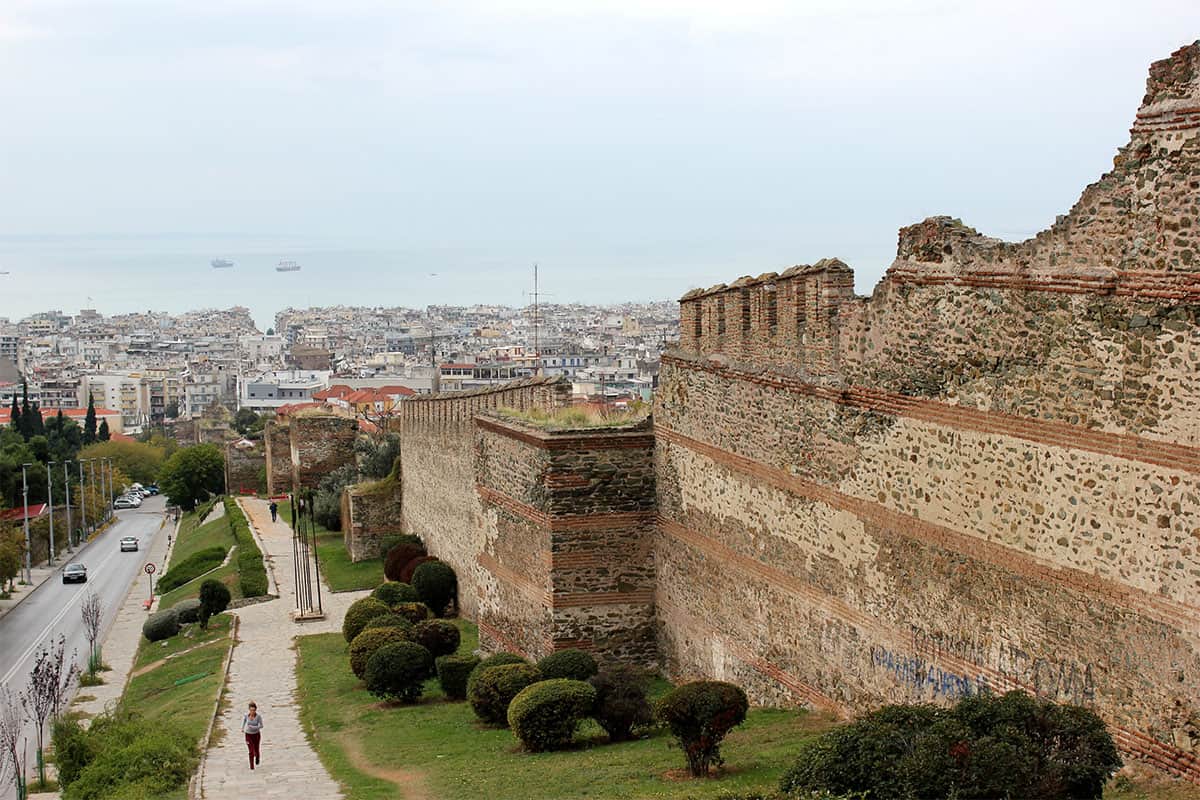
On August 24, 1185, Norman forces from the Kingdom of Sicily stormed Thessaloniki, the second city of the Byzantine Empire. Known in the West at the time as Thessalonica, the city suffered one of the most devastating sacks of the twelfth century. Thousands were killed, and the catastrophe triggered the downfall of a dynasty.
The Norman Invasion
The campaign was launched by King William II of Sicily, known as “the Good.” He assembled a formidable army of nearly 80,000 men, including 5,000 knights, supported by a fleet of more than 200 ships. Commanders such as Count Baldwin and Tancred of Lecce led the Norman advance, supported by Richard of Acerra.
The invasion was not only about power and conquest. It came in the wake of the Massacre of the Latins in Constantinople in 1182, when thousands of Western Europeans were killed. Tensions between Byzantium and the Latin West were at a breaking point, and William II used this as justification for his campaign.
The Road to Thessaloniki
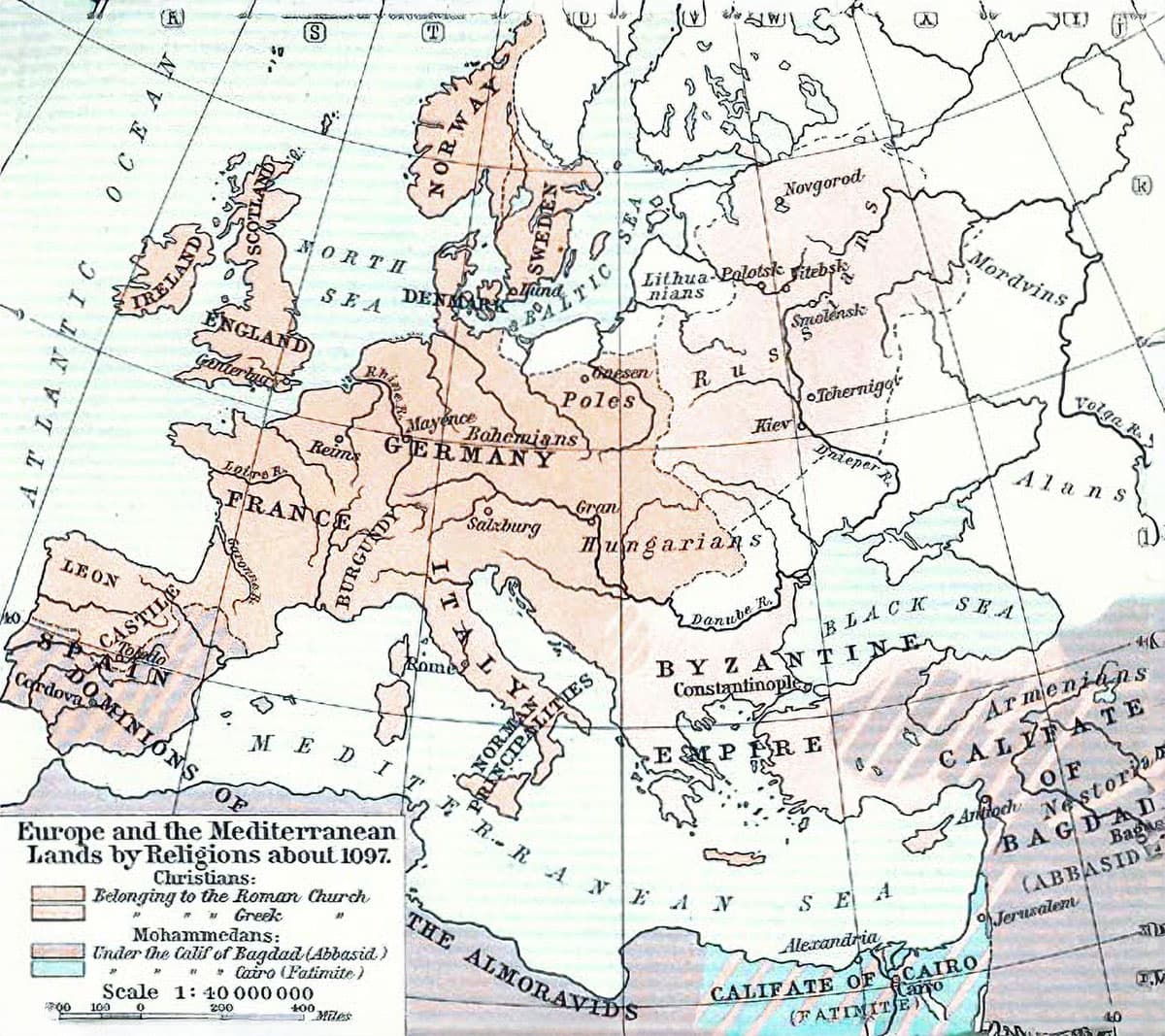
The Normans struck first at Dyrrhachium, today’s Durrës in Albania, capturing the city on June 24, 1185. From there, they pushed east through the Balkans with little resistance. By August 6, they had reached Thessaloniki. On August 15 their fleet arrived, tightening the noose around the city by both land and sea.
The governor, David Komnenos, badly mishandled the defense. Despite having advance warning of the Norman approach, he failed to prepare adequate fortifications and even forbade counterattacks that might have slowed the siege works.
The Sack of the City
The Normans worked quickly. Within nine days, they undermined the eastern wall. On August 24, the wall collapsed and the army poured into the city.
What followed was a massacre. Archbishop Eustathios of Thessaloniki, who lived through the events, described how civilians were cut down in their homes, priests were slaughtered at their altars, and churches were desecrated. The historian Niketas Choniates wrote that no house was spared and no hiding place remained undiscovered. Contemporary reports suggest that seven to eight thousand people were killed.
Did you know?
- Archbishop Eustathios left one of the most vivid descriptions of a medieval sack. He detailed not only the killings but also the destruction of libraries, workshops, and sacred treasures.
- Niketas Choniates confirmed the scale of the horror, writing that “every house was robbed of its contents, no dwelling was spared.”
- Thanks to these accounts, the Sack of Thessaloniki remains one of the best documented examples of medieval urban warfare.
The Aftermath
The Normans held Thessaloniki until early November. Their advance deeper into Byzantine territory ended at the Battle of Demetritzes on November 7, 1185, where the Byzantine general Alexios Branas surprised and routed them, forcing a retreat.
But the political consequences were already sealed. News of the disaster reached Constantinople, where anger against Emperor Andronikos I Komnenos exploded. On September 11, 1185, he was overthrown and brutally executed. His death ended the Komnenos dynasty, which had ruled since 1081, and brought Isaac II Angelos to the throne.
A Turning Point in Byzantine History
The Sack of Thessaloniki was more than a military defeat. It exposed the empire’s weakening defenses and deepened the rift between Byzantium and the Latin West. Coming just three years after the Massacre of the Latins, it set a grim pattern of violence and reprisal that foreshadowed the Fourth Crusade and the fall of Constantinople in 1204.
Thessaloniki’s Resilience
The massacre of 1185 was one of the darkest chapters in the city’s long history, but it was not the last. Thessaloniki endured fires, Ottoman conquest, earthquakes, the devastation of the Great Fire of 1917, and the horrors of the Second World War. Each time, the city rebuilt and carried on.
The city that suffered so deeply in 1185 is today a vibrant heart of Greece, its resilience written into the stones of its walls and the spirit of its people.