

Beyond beaches and sunsets, Greece’s landscapes hold battlefields, memorials, and cemeteries that trace how war has shaped the country’s identity across millennia.
When most travelers picture Greece, they imagine whitewashed villages and island sunsets. Yet another layer of history lies across the country: forts, cemeteries and battlefields that tell the story of Greece’s long encounters with war. This is the realm of military tourism, a branch of heritage travel that invites visitors to explore how conflict has shaped Greek identity from antiquity to the modern era.
Military tourism is not just about gazing at old cannons or warships. Around the world it means visiting places where military events changed the course of history: ancient battlefields, fortifications, naval vessels, memorials and war cemeteries. People come to learn, to honor the fallen and to connect with a shared memory.
Unlike so-called dark tourism, which often dwells on tragedy, military tourism aims to educate and commemorate. Greece offers one of the richest settings for this experience. From the legendary stands at Marathon and Thermopylae to the Greek War of Independence in 1821, the Balkan Wars, and the global conflicts of the twentieth century, the country has been a crossroads of armies and ideas.
Greek cultural agencies and military history societies have gradually mapped many of these places and promoted them as part of the country’s wider heritage. While exact visitor numbers for this niche are hard to pin down, it represents only a small part of Greece’s tourism economy compared with the country’s vast beach and island market. Even so, the sites themselves show how memory and history continue to draw travelers.
From Ancient Battlefields to Modern Memorial
Travelers can trace Greece’s military story through sites that span thousands of years. The War Museums of Athens, Thessaloniki, Nafplion, Kalamata, and Rethymno showcase artifacts from ancient weapons to modern uniforms.
Battlefields such as Marathon and Thermopylae evoke the struggles of classical Greece. At Thermopylae, a bronze statue of King Leonidas stands guard, a reminder of the 300 Spartans who faced the Persian army in 480 BCE. Nearby, the waters off Salamis recall the naval clash that checked the Persian advance and helped secure the freedom of the Greek city-states from outside domination. These ancient fields still speak to visitors of courage and sacrifice.
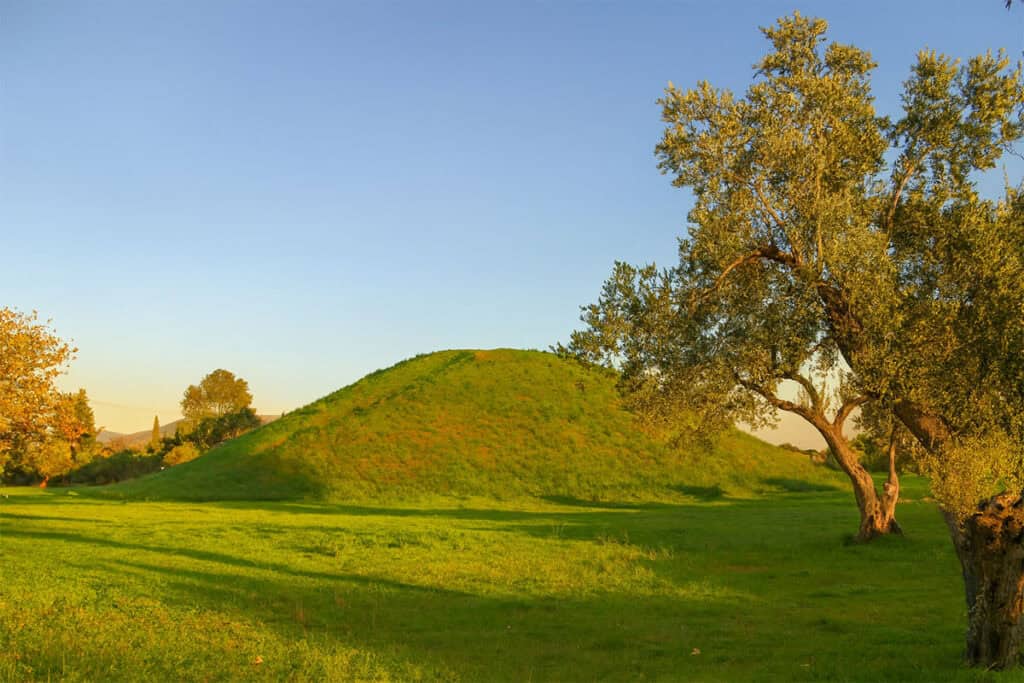
The country’s modern history is just as compelling. Fort Roupel on the Metaxas Line preserves the defenses that faced the Axis in World War II, complete with underground tunnels that visitors can still walk through. Greece’s naval heritage comes alive aboard the destroyer VELOS, a floating museum that became a symbol of resistance against the military dictatorship of the 1970s.
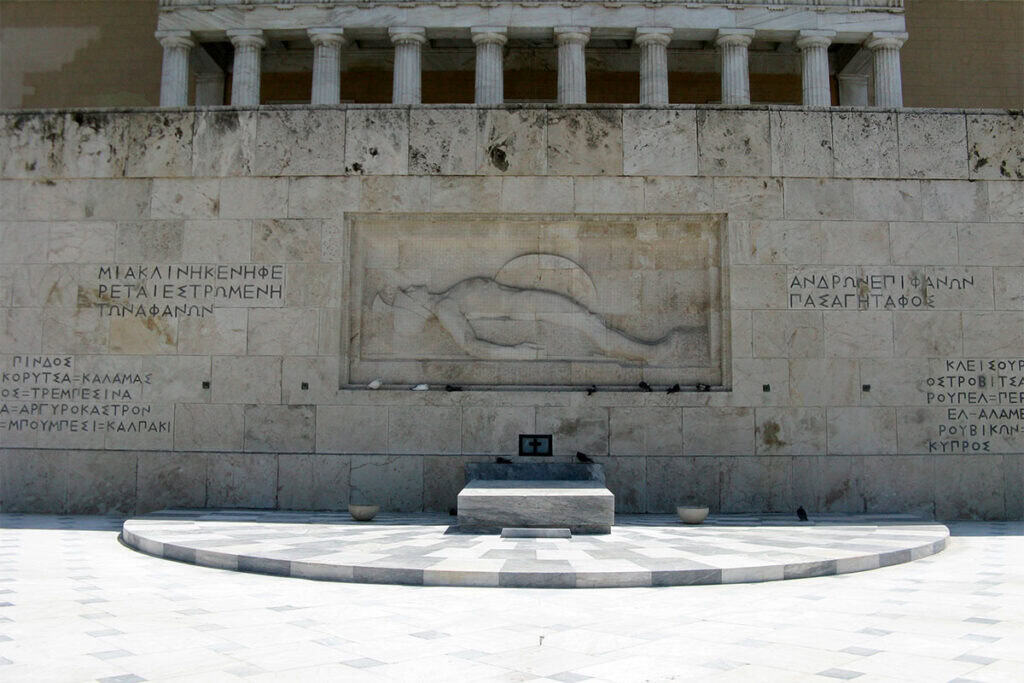
Memorials and cemeteries carry stories of both sacrifice and reconciliation. The Zeitenlik Allied Cemetery in Thessaloniki, the Tomb of the Unknown Soldier in Athens, the Commonwealth cemeteries at Phaleron and Souda Bay, and the German and Italian war cemeteries in Crete and on Kefalonia all draw visitors from abroad: families of Commonwealth soldiers, descendants of German and Italian troops, and travelers seeking to understand Europe’s shared wartime past. At Souda Bay, the neat rows of white crosses meet the blue waters of Crete, a powerful meeting of landscape and memory.
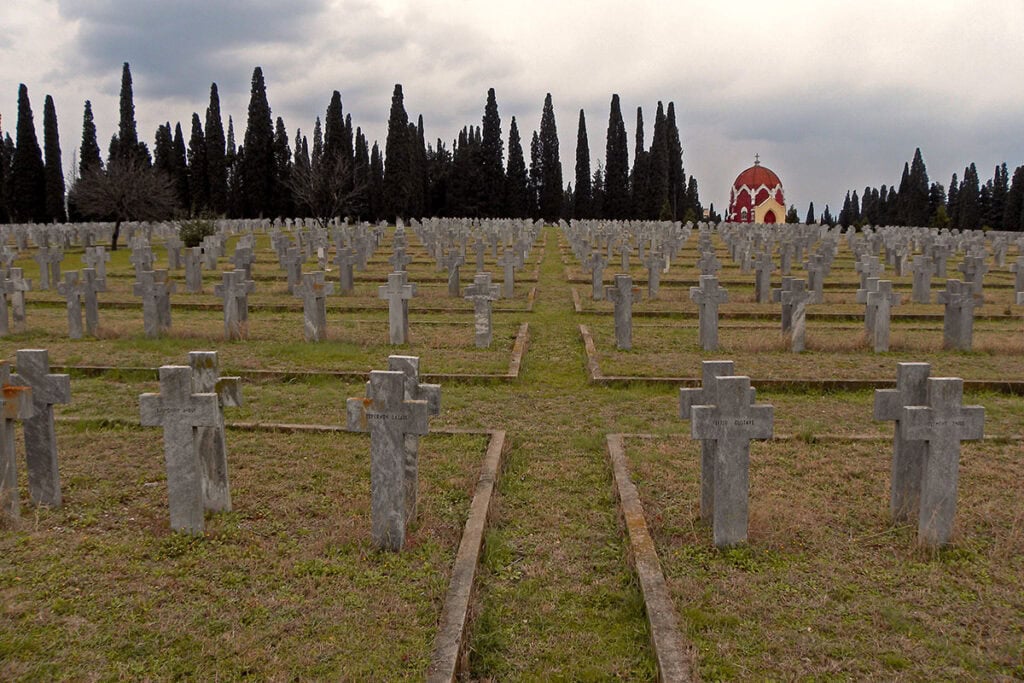
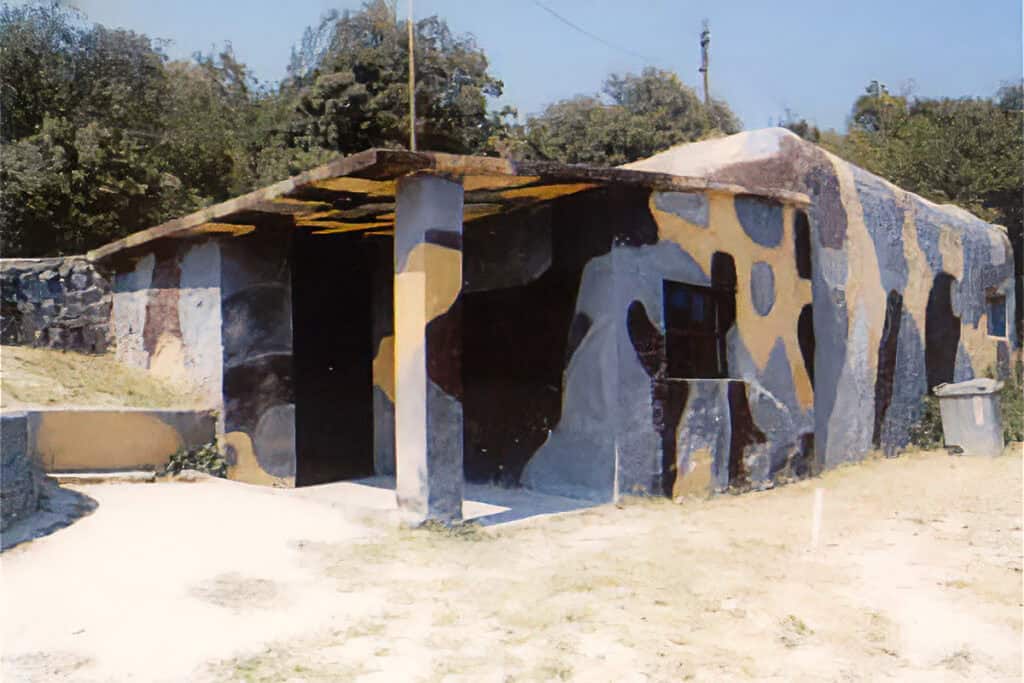
Researchers and local tourism planners often suggest grouping these sites into themed journeys rather than presenting them as isolated stops. One route follows Ancient Battles and Independence, linking Marathon, Thermopylae, and the War Museums of Athens and Nafplion. Another focuses on World War II and the resistance in Crete, from the Chromonastiri Military Museum to the Souda Bay and Maleme cemeteries. In the north, visitors can travel from Thessaloniki’s Zeitenlik Cemetery to Fort Roupel and the VELOS. These suggested itineraries turn scattered places into a coherent journey through time.
Memory, Identity and the Value of Remembrance
Greek universities and researchers treat military tourism as more than a niche attraction. Studies have examined how soldiers stationed on border islands become repeat visitors and how military museums can serve cultural diplomacy. These findings highlight that military tourism sits at the crossroads of history, education and national identity.
For Greeks, monuments such as the Tomb of the Unknown Soldier and regional World War II memorials affirm stories of independence and resistance. For international guests, cemeteries and memorials can be places of family remembrance or reconciliation between former enemies. The changing of the guard by the Evzones in front of the Tomb in Athens gives a living dimension to this national symbol.
Tourism planners face the challenge of making these sites welcoming and informative while preserving their solemn character. When handled with care, military tourism becomes not just a look back at war but also a meditation on the value of peace.
Military tourism in Greece shows how the nation’s past lives on in its landscapes and cities. From ancient battlefields to twentieth-century memorials, each site invites travelers to reflect on courage, loss, and the ways memory continues to shape national identity. It is a journey that deepens our understanding of Greece and of the universal human cost of war.
Visitor Tips
For those inspired to explore, a few practical points can help make the journey more meaningful.
Best seasons: spring and autumn offer mild weather and comfortable walks.
Respect cemeteries: dress modestly and speak quietly.
Combine with culture: many sites are near vibrant cities, beaches, or archaeological landmarks, making it easy to pair a visit with local food, festivals, or classic ruins.