
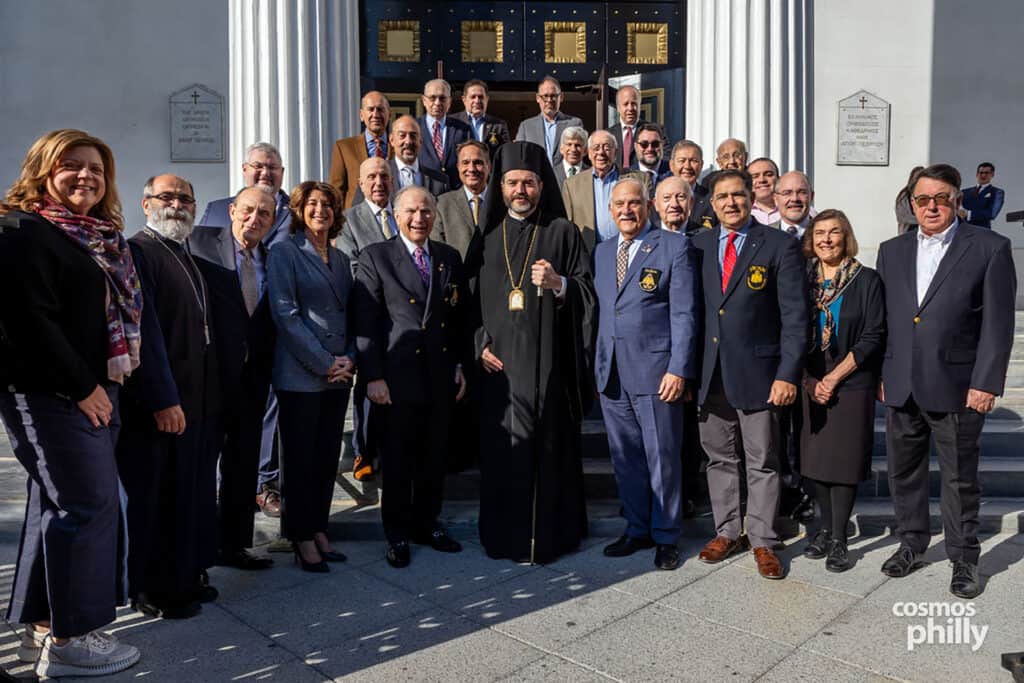
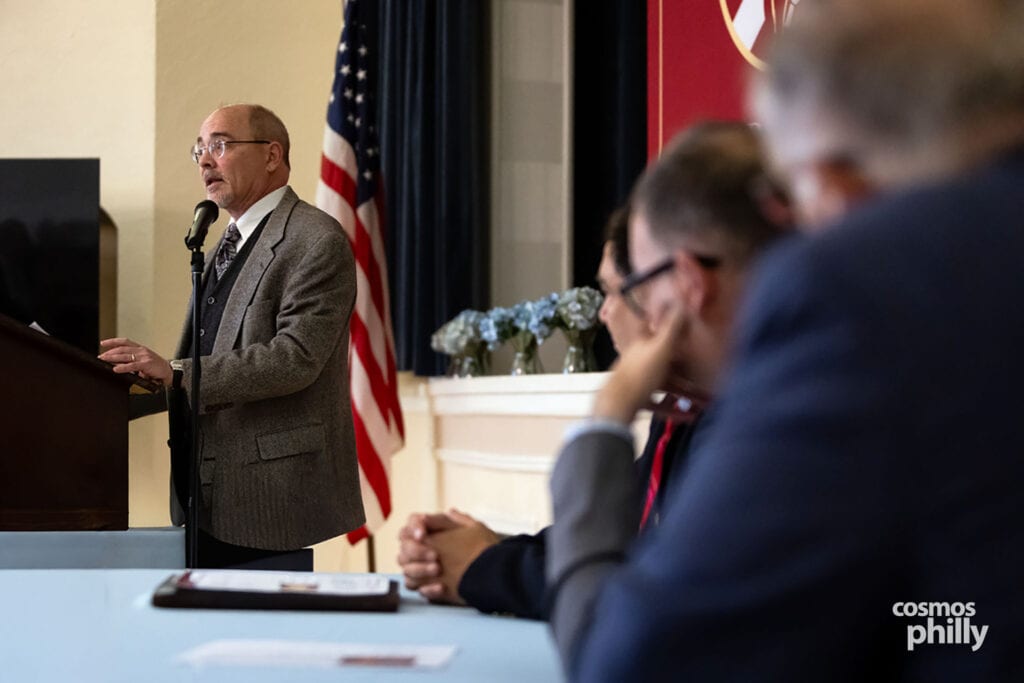
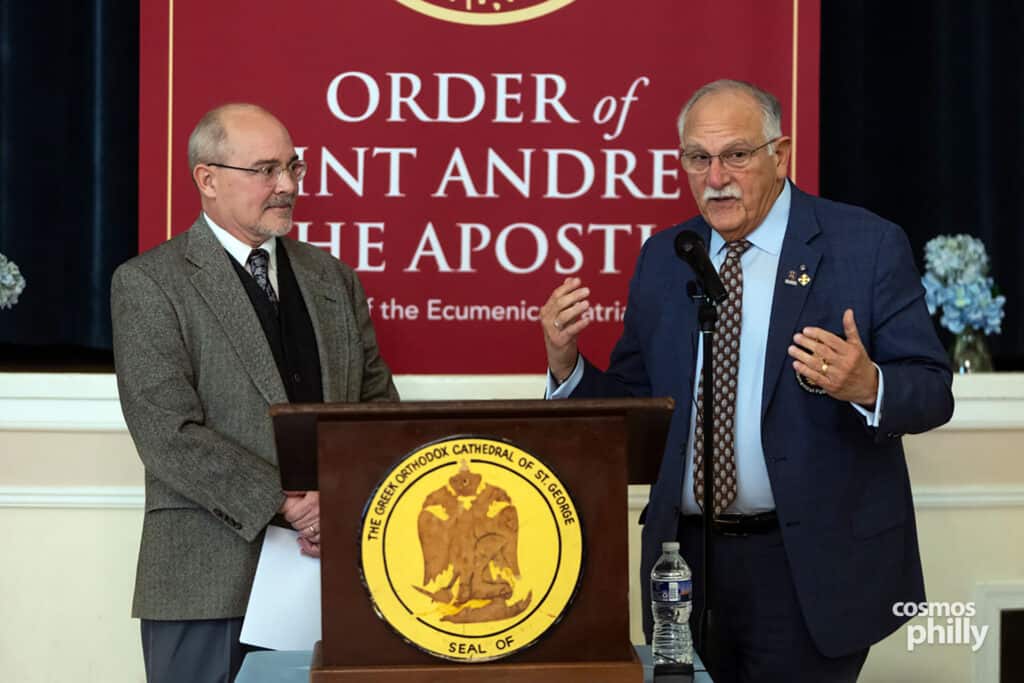
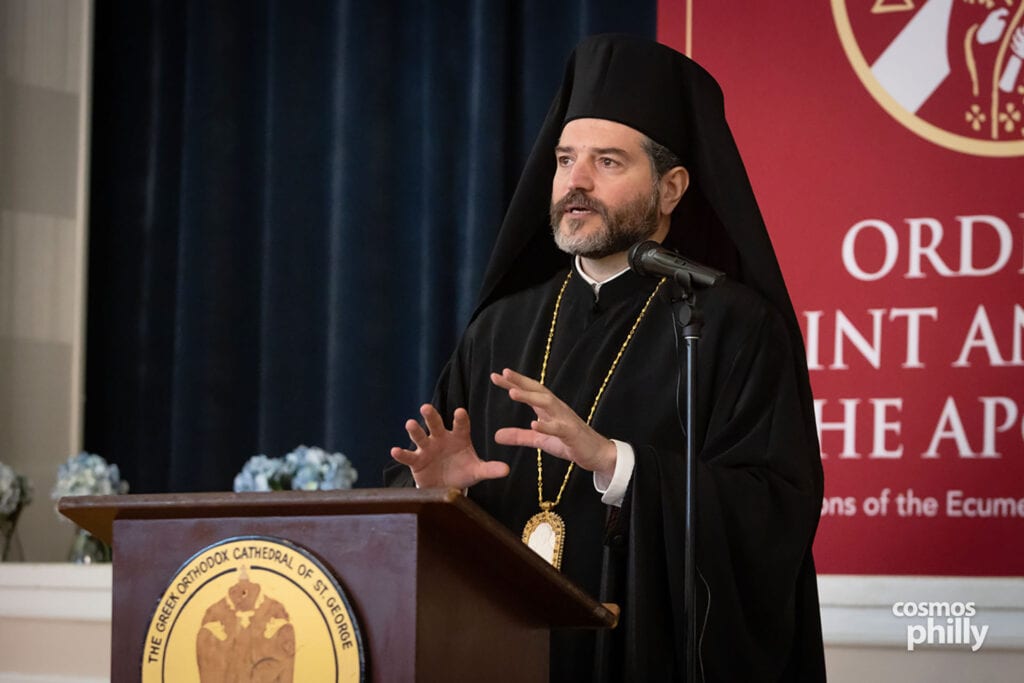
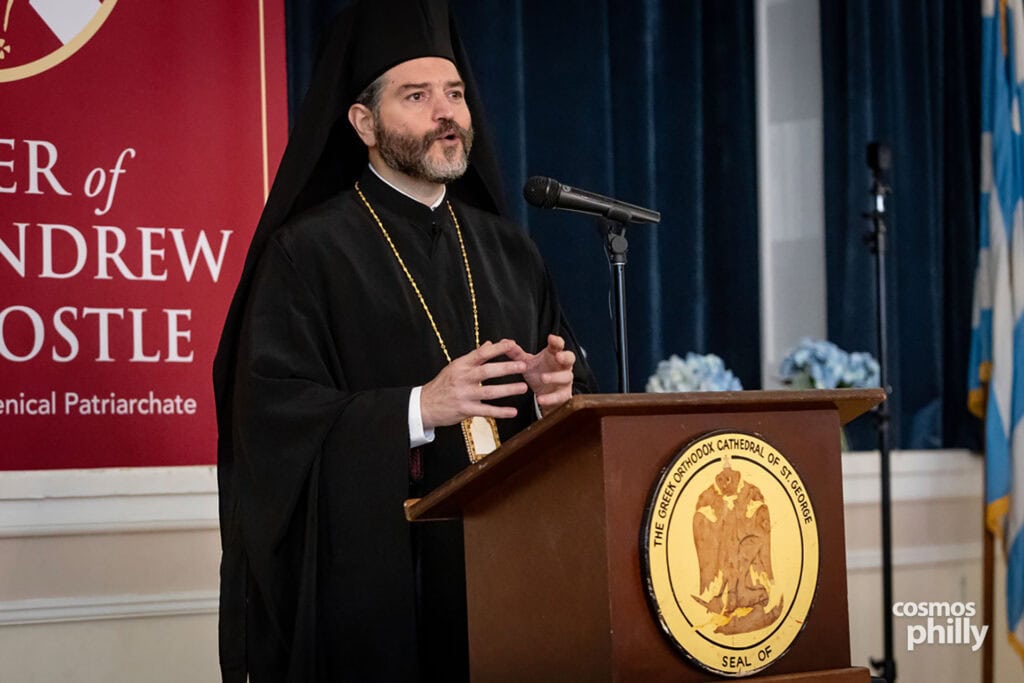
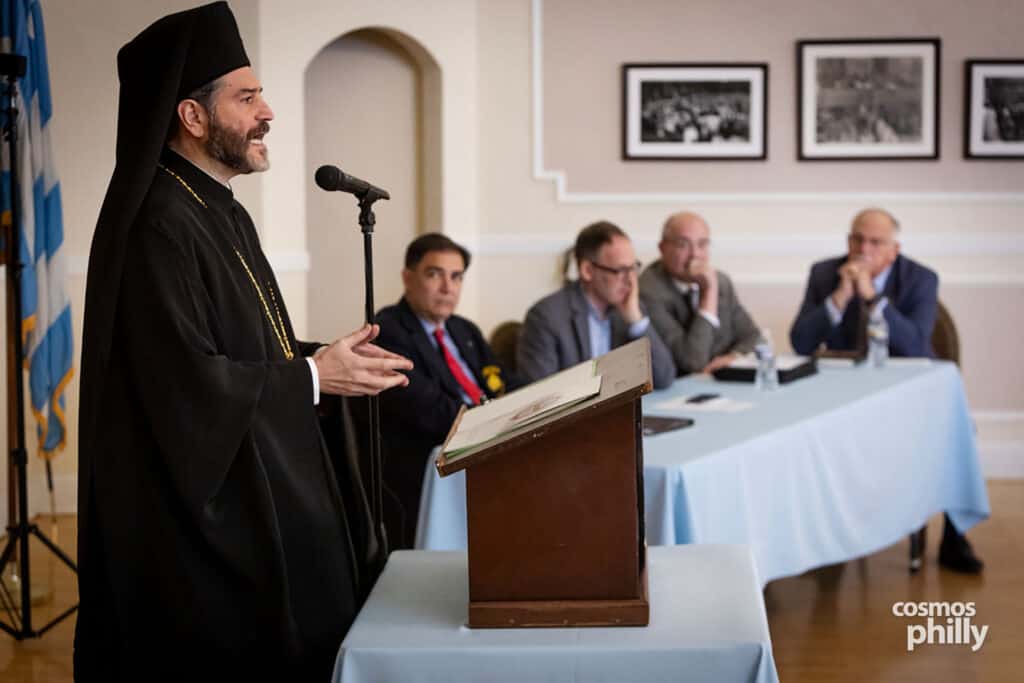
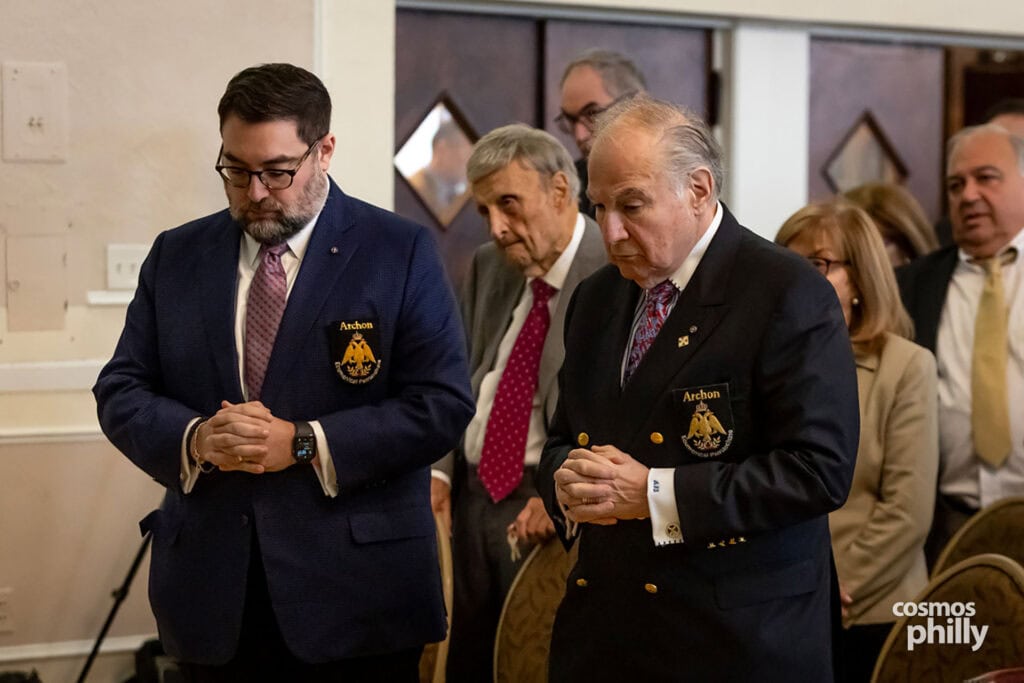
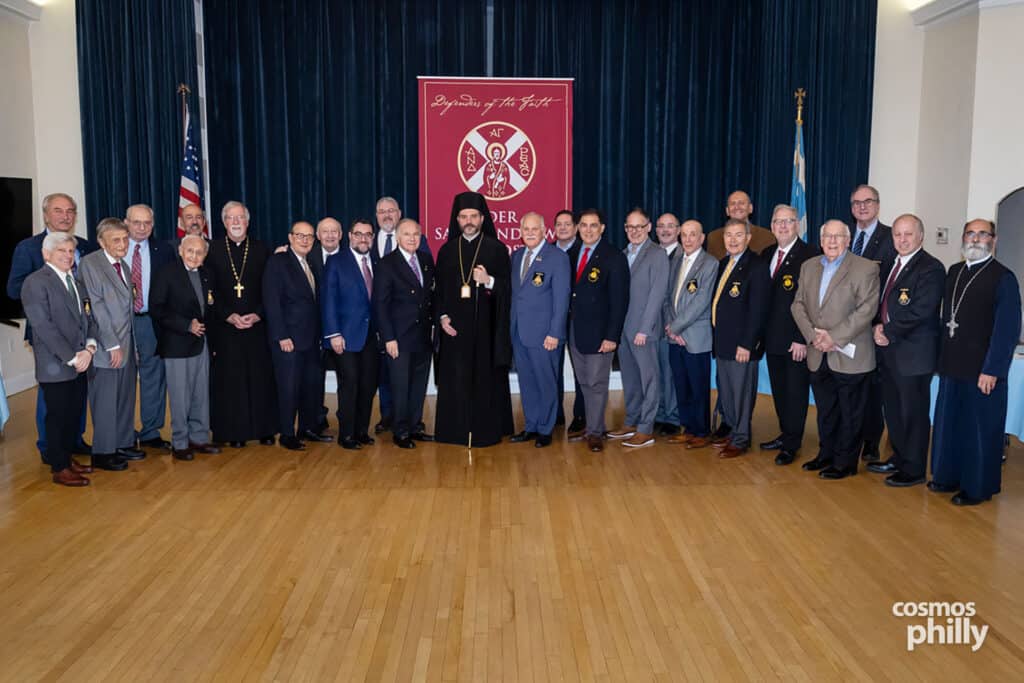
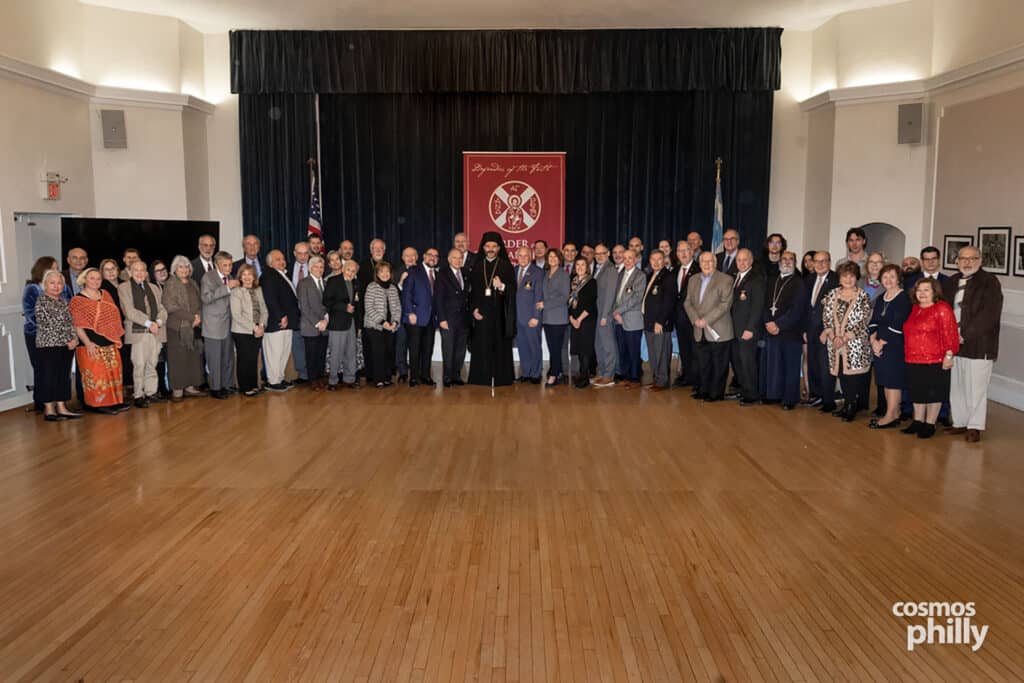
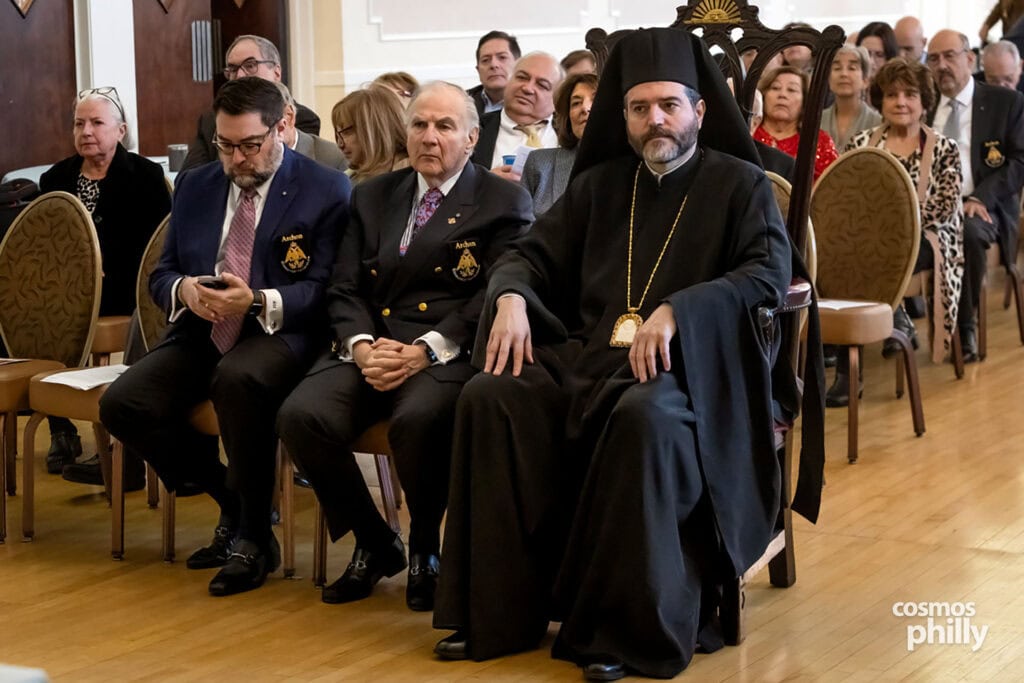
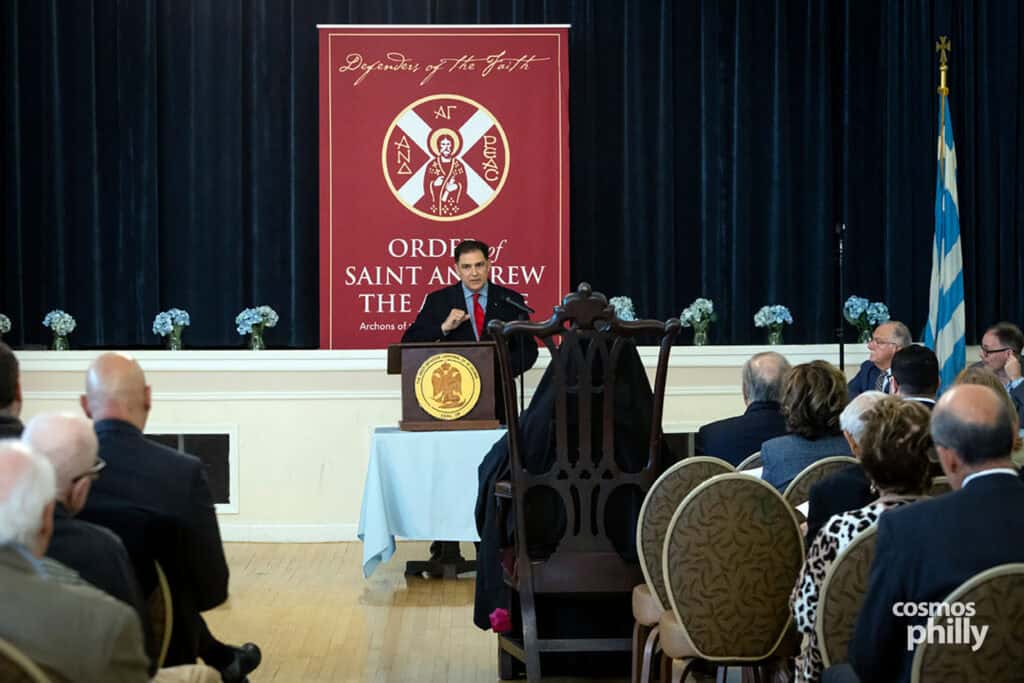
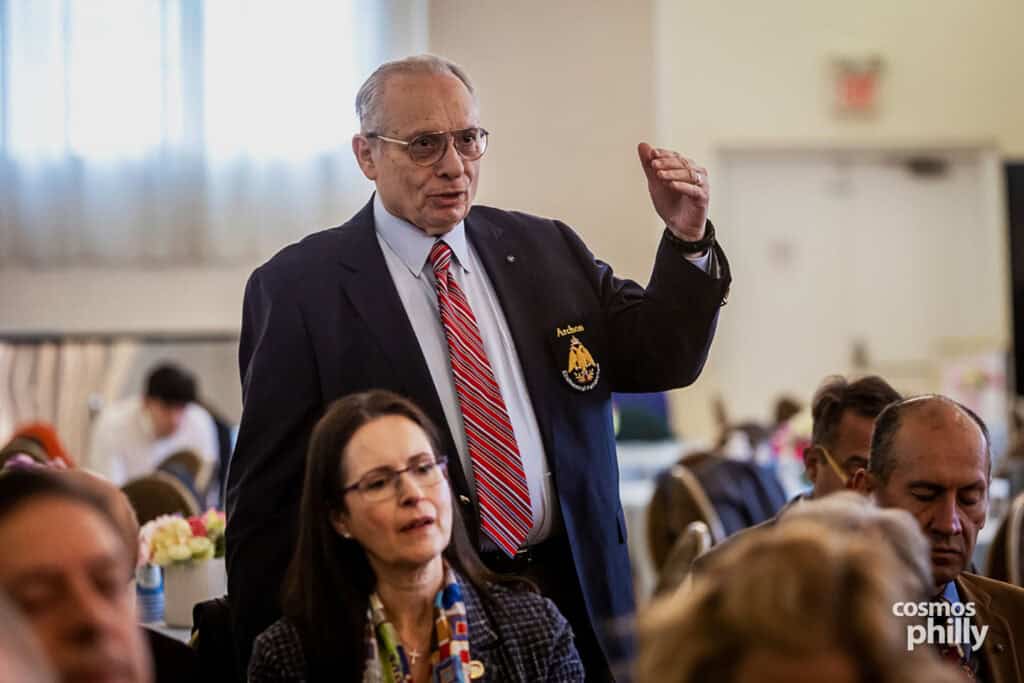
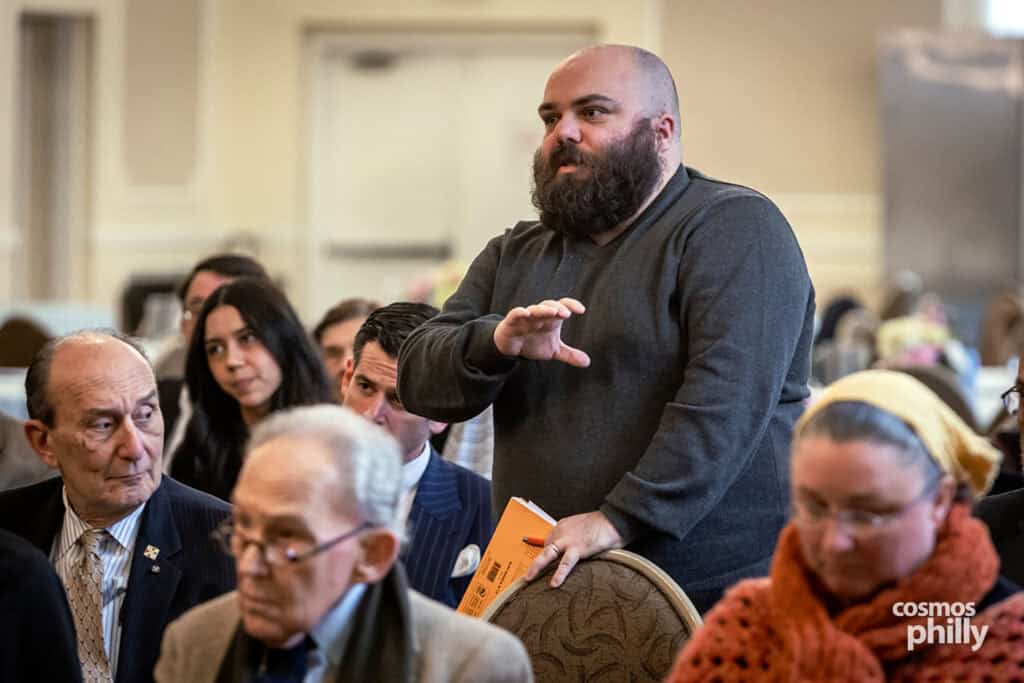
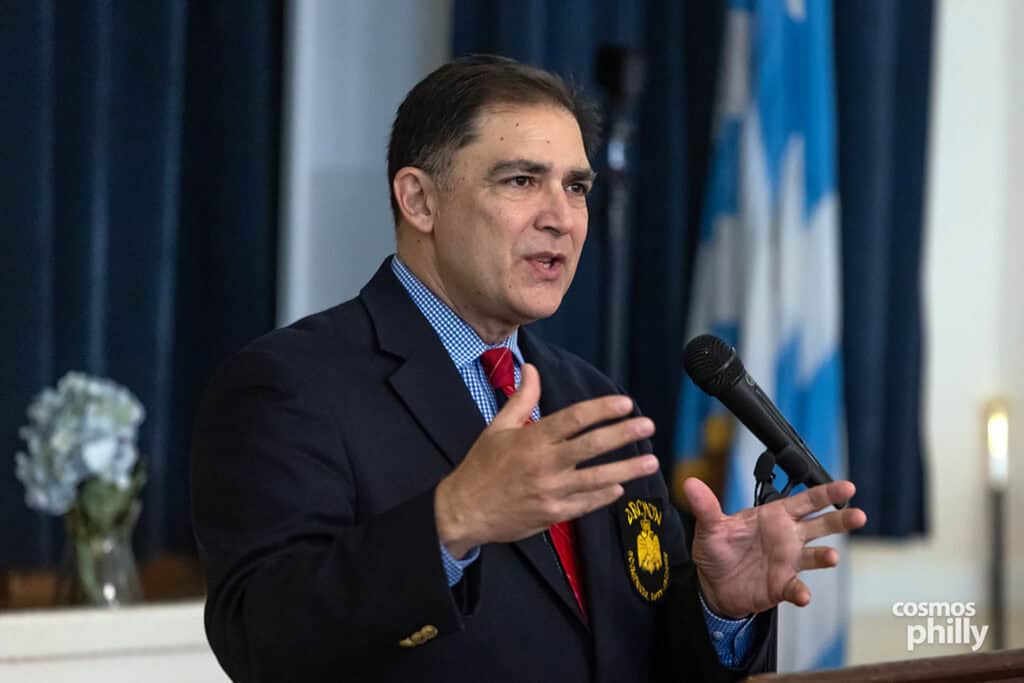
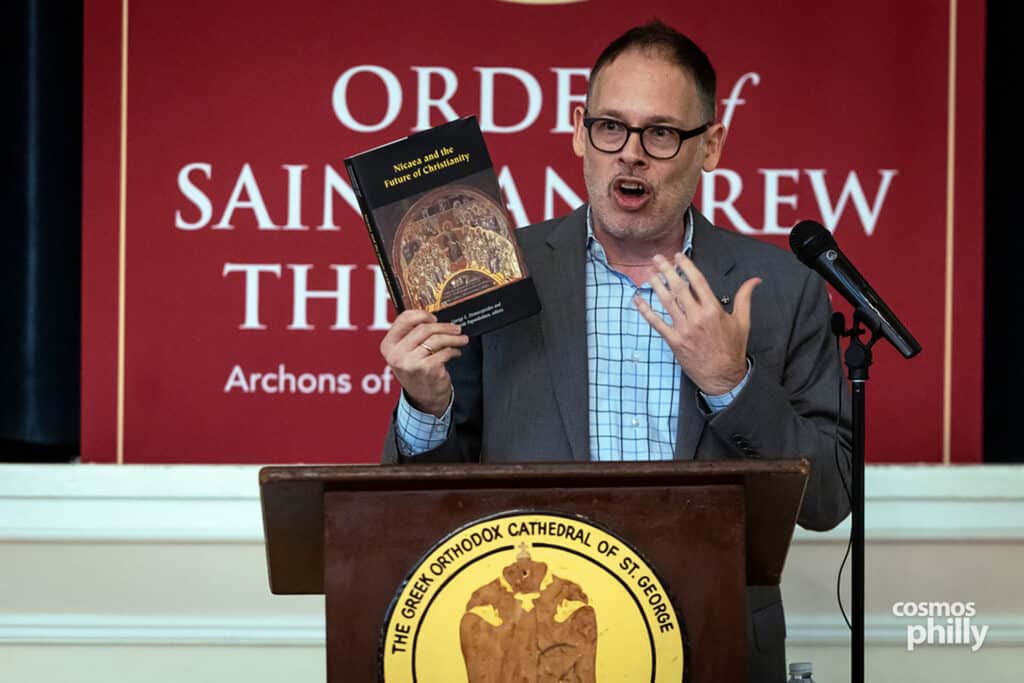
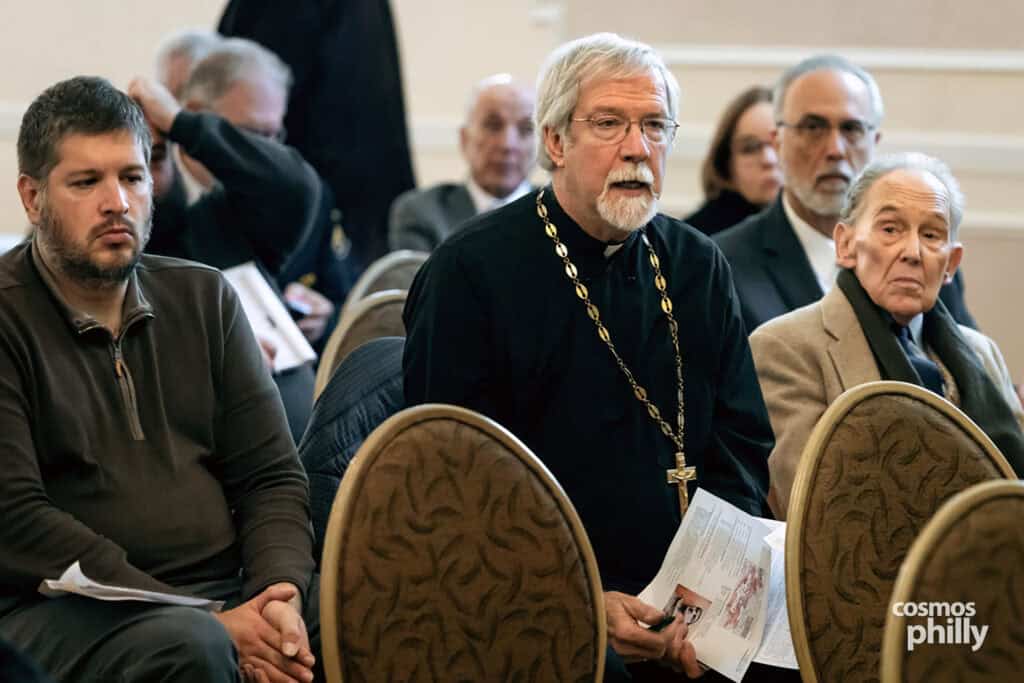
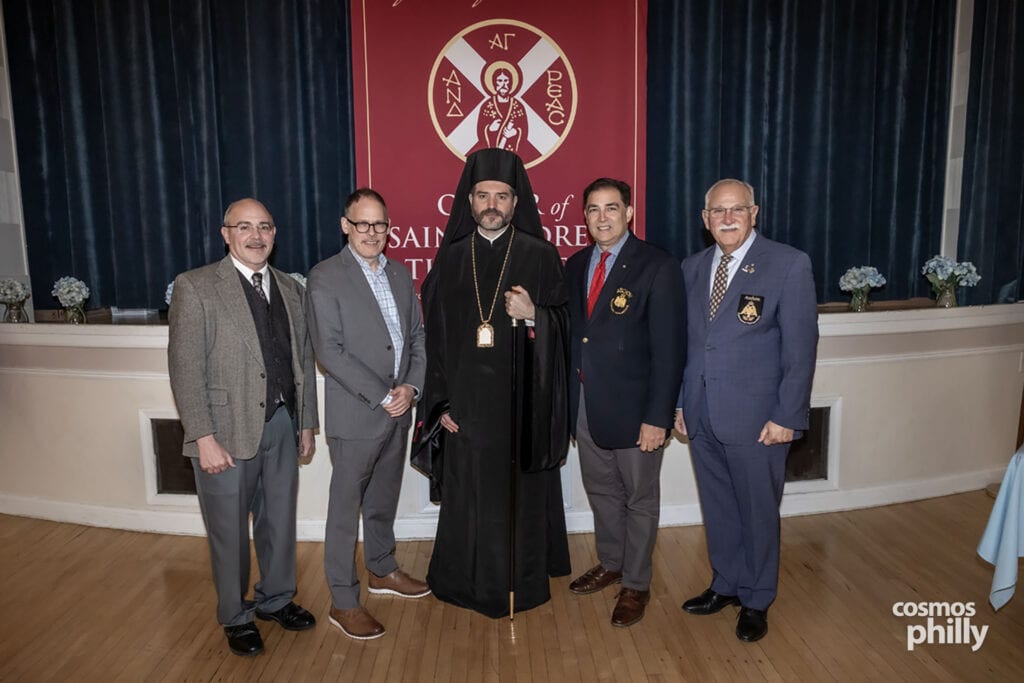
Nearly one hundred clergy, Archons, scholars, and parishioners gathered at St. George Greek Orthodox Cathedral in Philadelphia on November 15 for a symposium that looked back seventeen centuries to the First Council of Nicaea and asked what its message still means for Christians today.
The gathering was part of the worldwide anniversary observances taking place throughout 2025 in both Orthodox and Catholic communities. At St. George, the conversations felt local and personal, with speakers connecting the history of the council to the lived faith of the Delaware Valley.
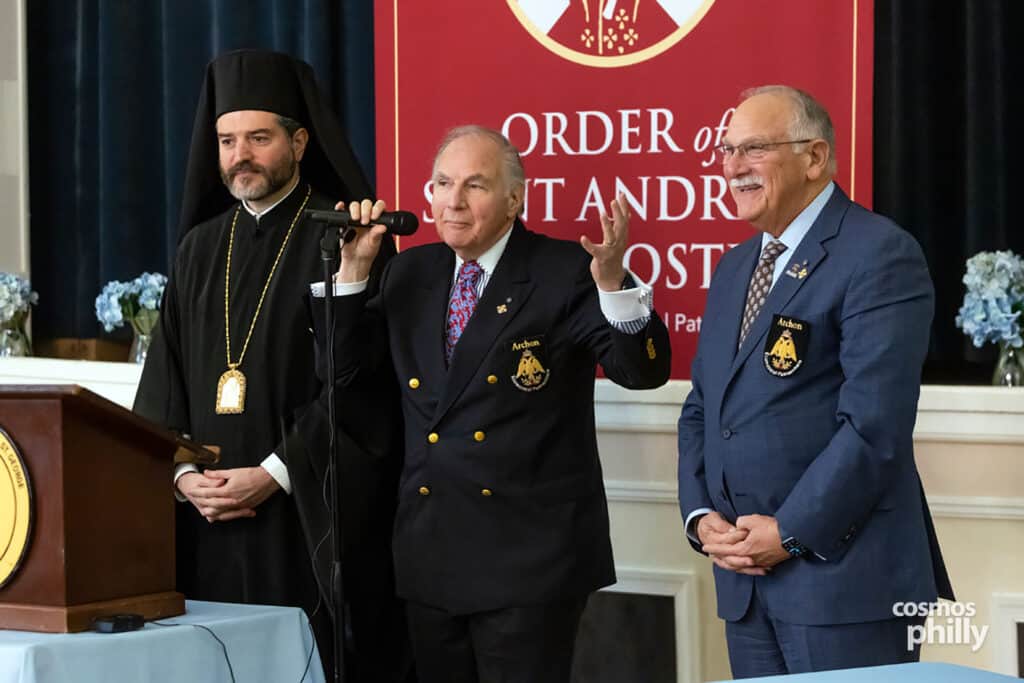
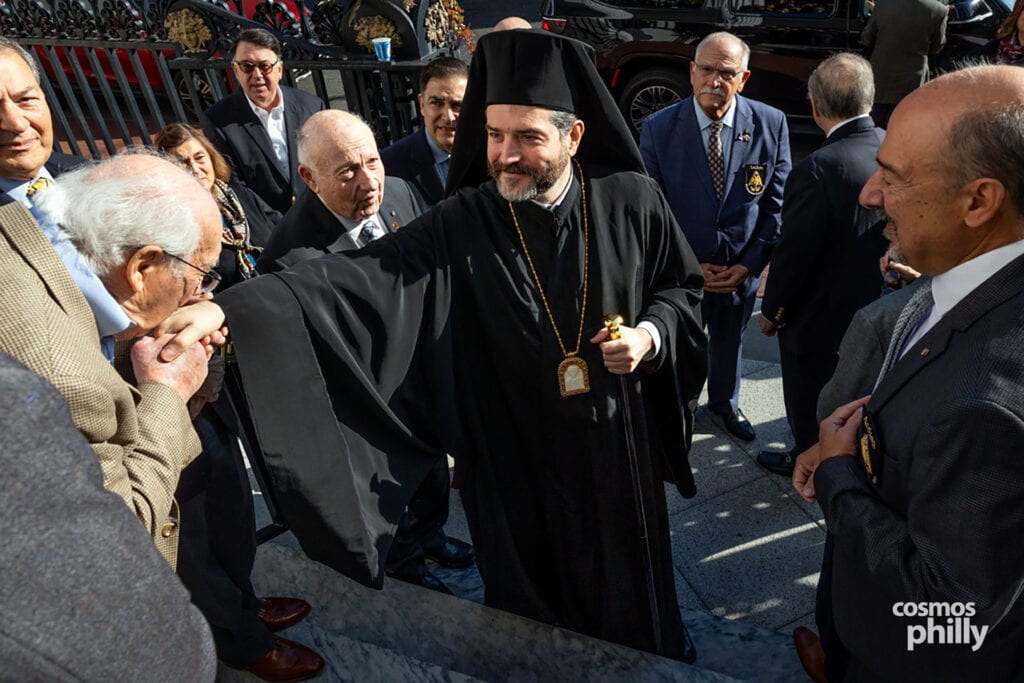
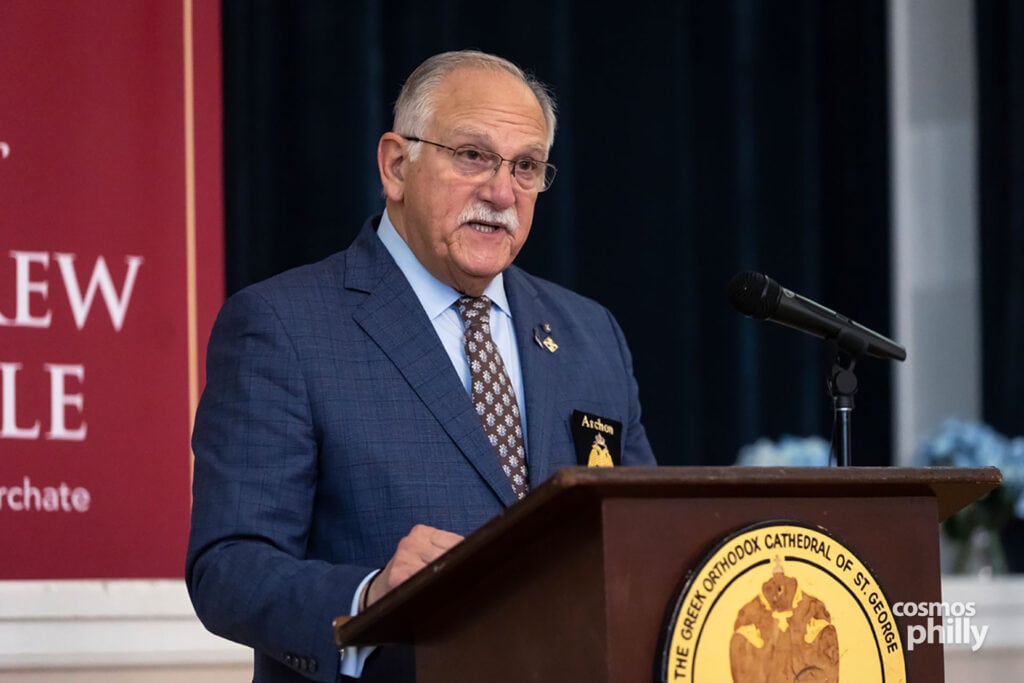
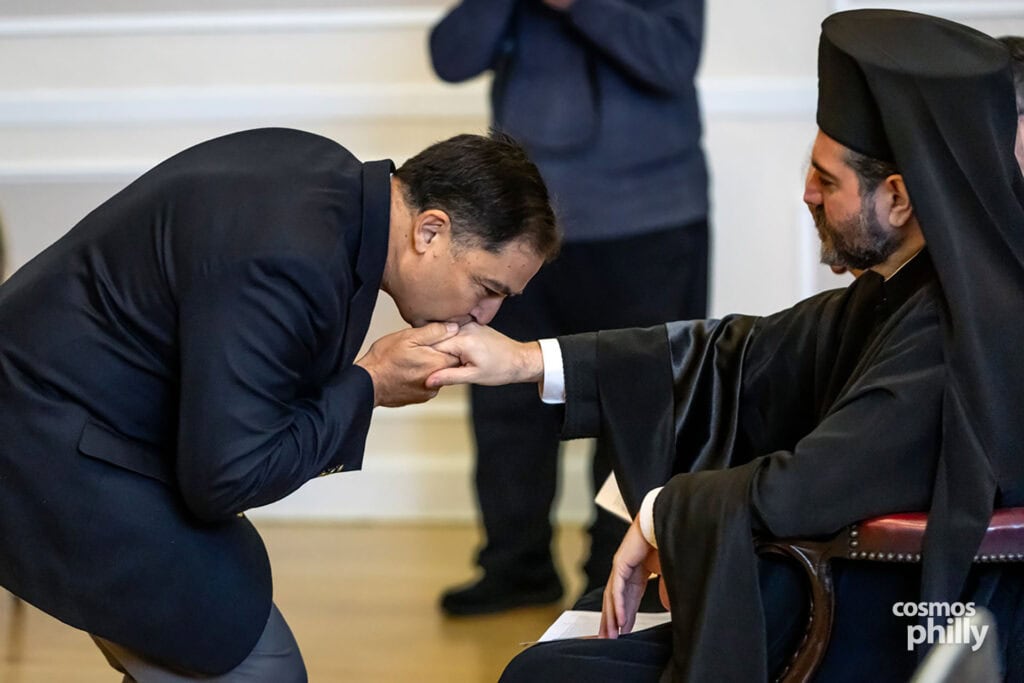
The day began with a short service inside the cathedral. Guests then greeted His Eminence Metropolitan Apostolos of New Jersey on the church steps before following him into the hall. Regional Commander Dr. Cary J. Limberakis welcomed everyone and invited the Metropolitan to offer the opening prayer. With that, the program began.
Scholars Bring Nicaea Into the Present
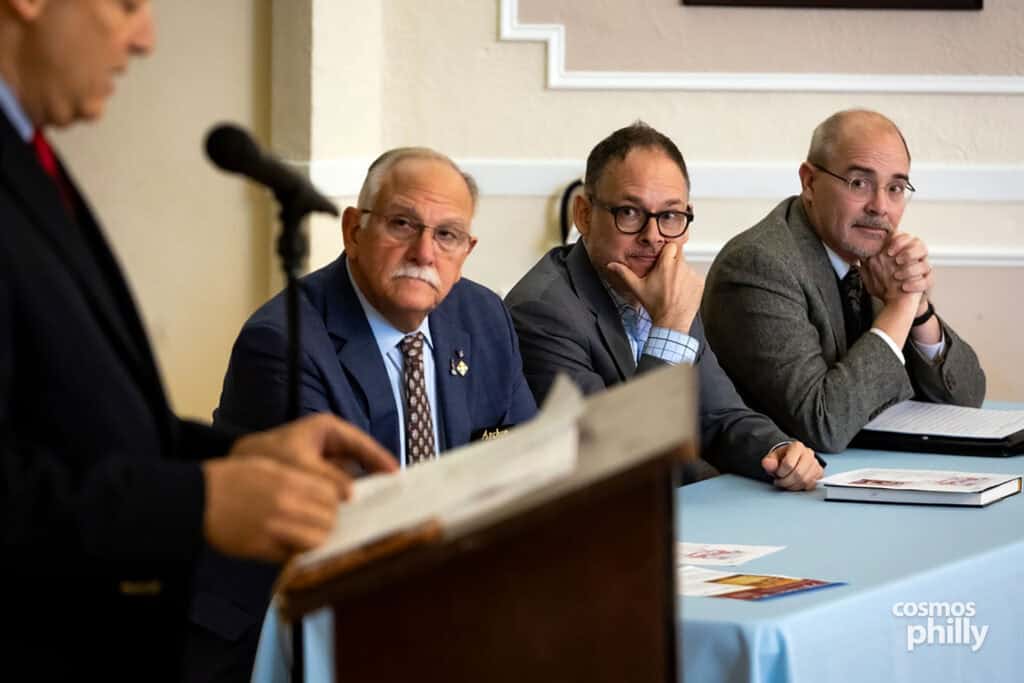
Three presentations shaped the heart of the symposium, each followed by thoughtful dialogue with the audience.
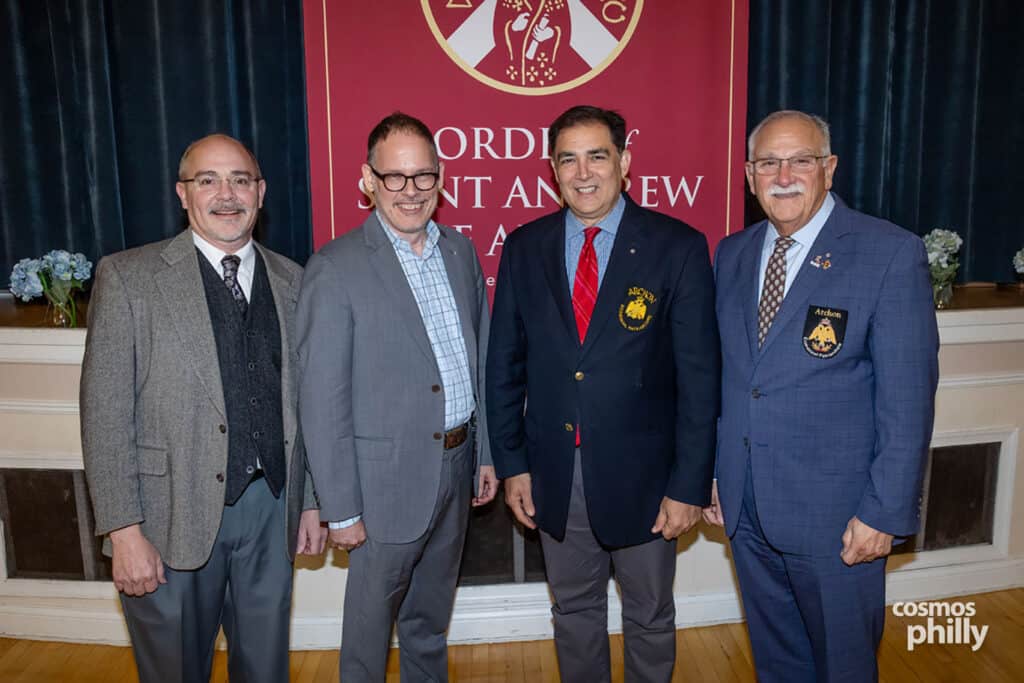
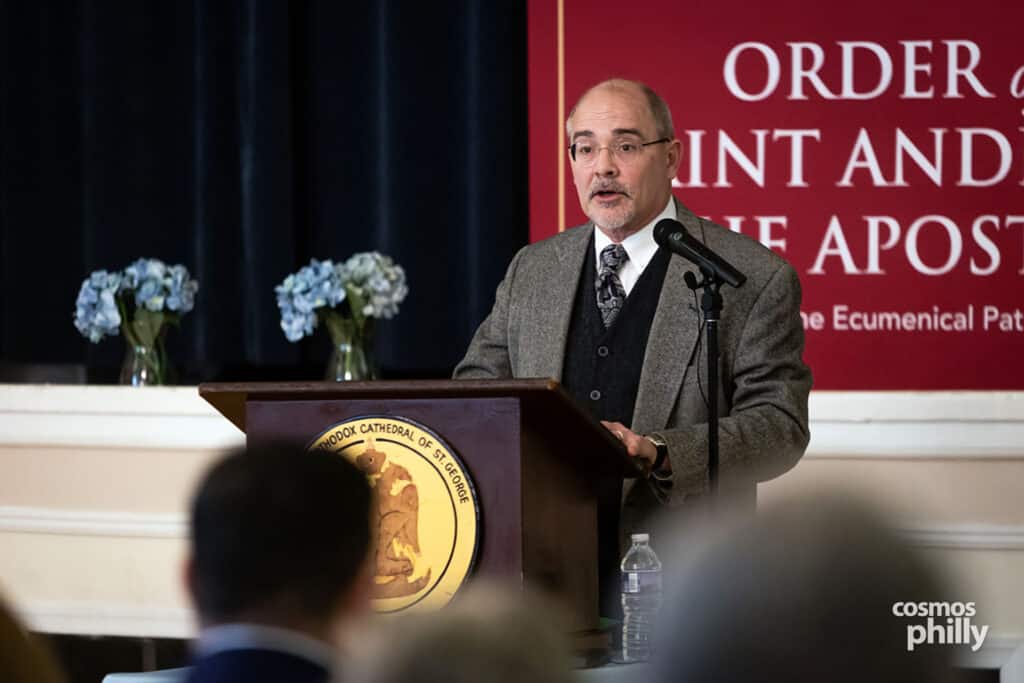
Archon Tom Papademetriou of Stockton University opened with “Witnessing Nicaea: The First Council as Historical Process and Experience.” He described how the bishops of 325 lived the council as a demanding human moment rather than a distant historical event. Questions from the audience focused on how those early experiences still inform conversations in today’s Church.
Archon George Demacopoulos of Fordham University followed with “Is There a Nicaean Legacy Without an Empire?” He explored Constantine’s relationship with the Church and how the council influenced long-standing conversations about religious freedom and public life.
A. Edward Siecienski of Stockton University spoke last, presenting “Nicaea and Ecumenism Today.” He highlighted how the Nicene Creed continues to provide shared language for Orthodox, Catholic, and Protestant dialogue. His reflections on the filioque clause and its role in modern conversations sparked one of the day’s most engaged exchanges.
Dr. Limberakis thanked the presenters for examining the council from different angles and noted that its decisions continue to shape Christian understanding and unity.
Nicaea’s Legacy and the Archons’ Mission
The First Council of Nicaea, convened in 325 by Emperor Constantine, produced the original Nicene Creed and set the pattern for how the Church would address matters of doctrine. Its central affirmation, that Christ is “begotten, not made, consubstantial with the Father,” remains at the heart of Orthodox, Catholic, Anglican, and many Protestant traditions.
Dr. Limberakis reflected on why the council still matters. “We have a lot to learn from Nicaea,” he said. “Not everything was resolved, yet it gives us the foundation we need to move toward unity. Many challenges today are human matters rather than doctrinal ones.”
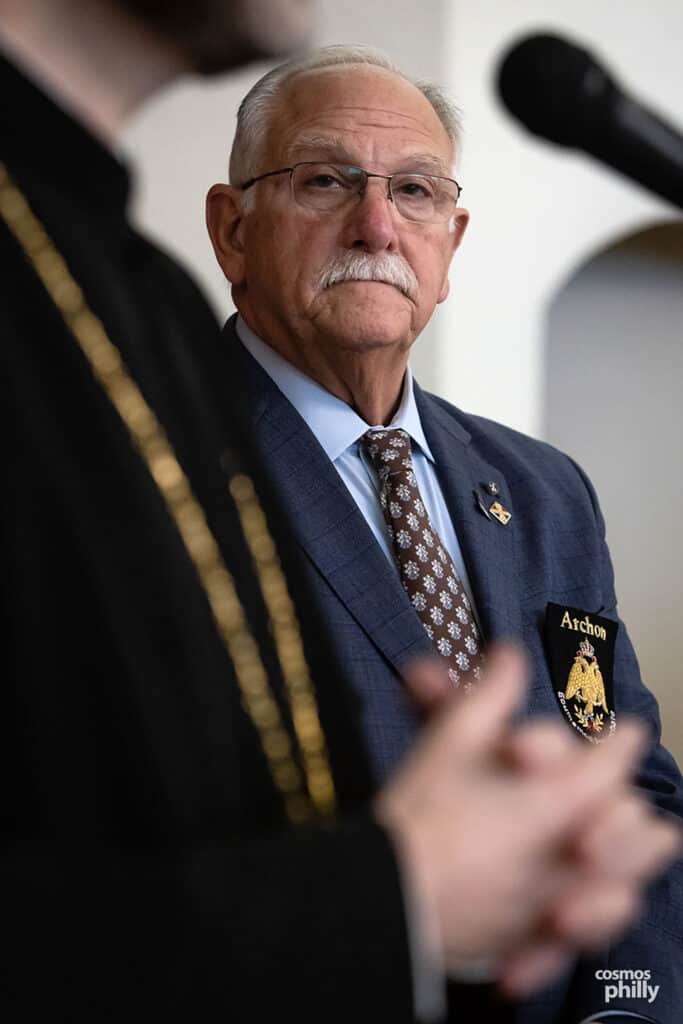
This commitment to understanding is part of what has shaped the nearly annual theological symposia he has organized over the past decade. This year’s gathering was the eighth and the first hosted at St. George. These events give parish communities direct access to scholars and also highlight the mission of the Archons, a lay fellowship dedicated to supporting the Ecumenical Patriarchate and defending religious freedom.
Dr. Limberakis noted that one of a regional commander’s responsibilities is to help parishioners understand the challenges facing the Patriarchate and the efforts underway to address them.
Looking Beyond Philadelphia
The anniversary year has also included pilgrimages connected to Nicaea. In July, Dr. Limberakis traveled with Archbishop Elpidophoros and a group of Orthodox and Catholic participants to Istanbul and İznik. Another larger pilgrimage, led again by the Archbishop, will depart just before Thanksgiving.
“It is a major moment for Christianity,” he said. “It touches both Orthodox and Catholic communities.”
St. George Cathedral, the host of the symposium, added its own sense of history to the day. Built in 1822 as St. Andrew’s Episcopal Church, it is one of the oldest continuously active Greek Orthodox parishes in the region and still preserves its original wooden columns and Greek Revival architecture.
What Comes Next
As the program concluded, many stayed to speak with the presenters and with each other. For those who attended, the story of Nicaea felt less like a distant milestone and more like a living foundation.
“I think people leave with a deeper understanding of the Church today,” Dr. Limberakis said. “Everything we live now is rooted in what happened seventeen centuries ago. That foundation still matters.”
Those who want to learn more about future symposia or upcoming pilgrimages can contact the Archons of the Ecumenical Patriarchate through the Metropolis of New Jersey or through their local parish office.
St. George, which has welcomed generations of Greek Orthodox faithful, proved again to be a place where the community can gather, learn, and reflect. The anniversary of Nicaea is more than a commemoration of the past. It is an invitation to consider faith, history, and the unity Christians continue to seek in the present.