
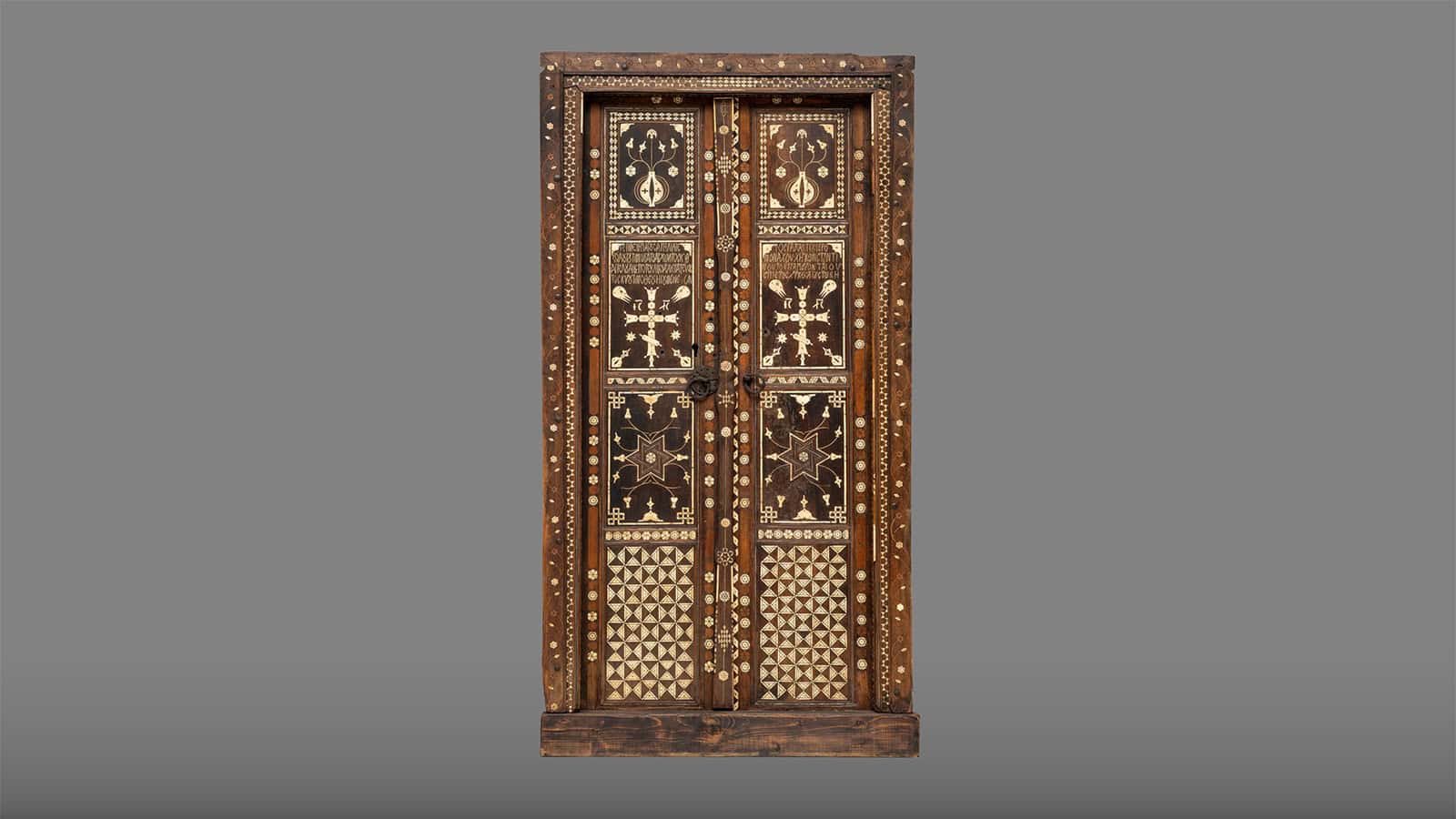
Religious treasures taken by Bulgarian troops from monasteries and churches in Macedonia during World War I have returned to Greece after 109 years. In exchange, Greece handed over remains identified as those of medieval ruler Tsar Samuel, which Bulgaria had sought for decades.
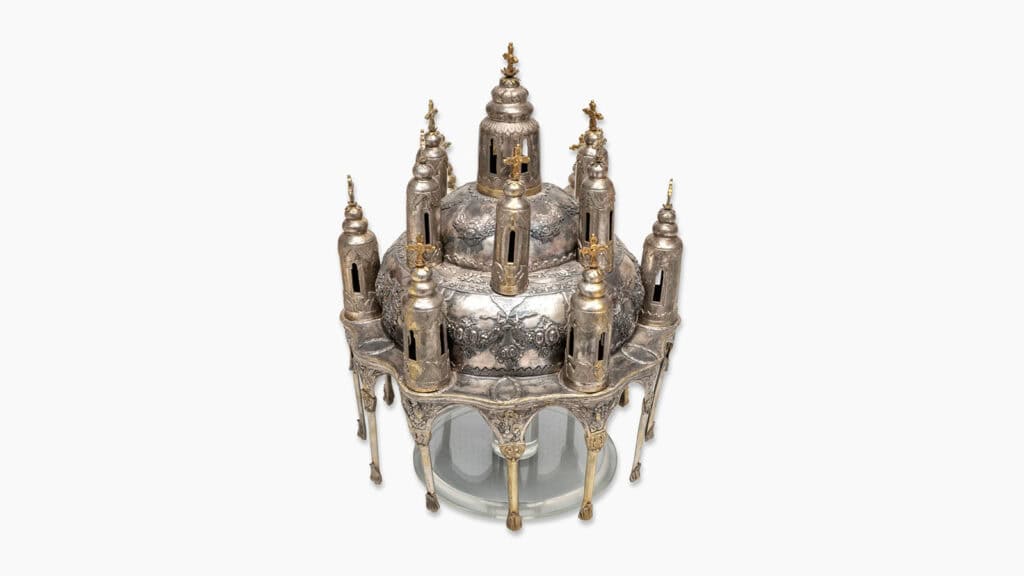
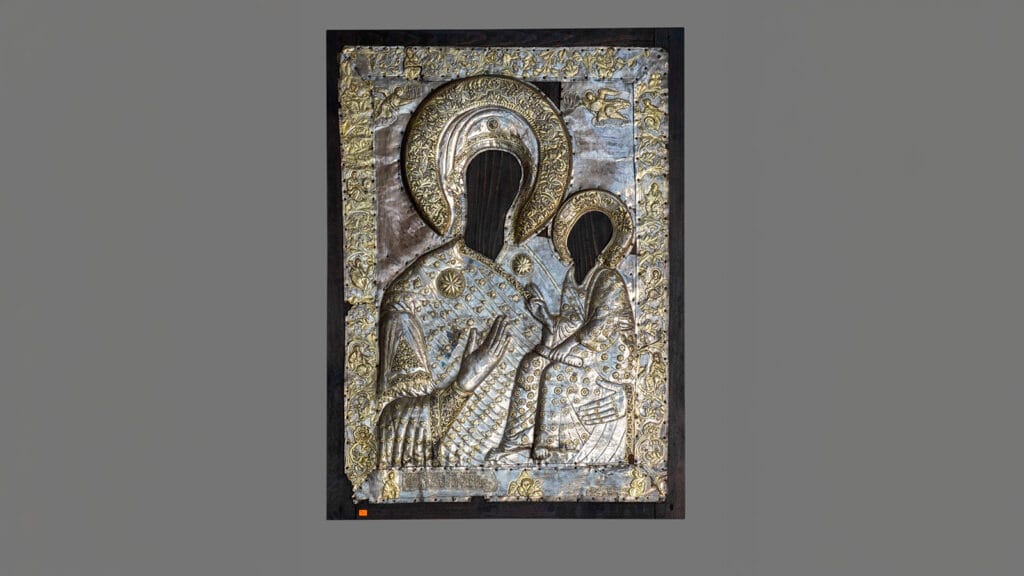
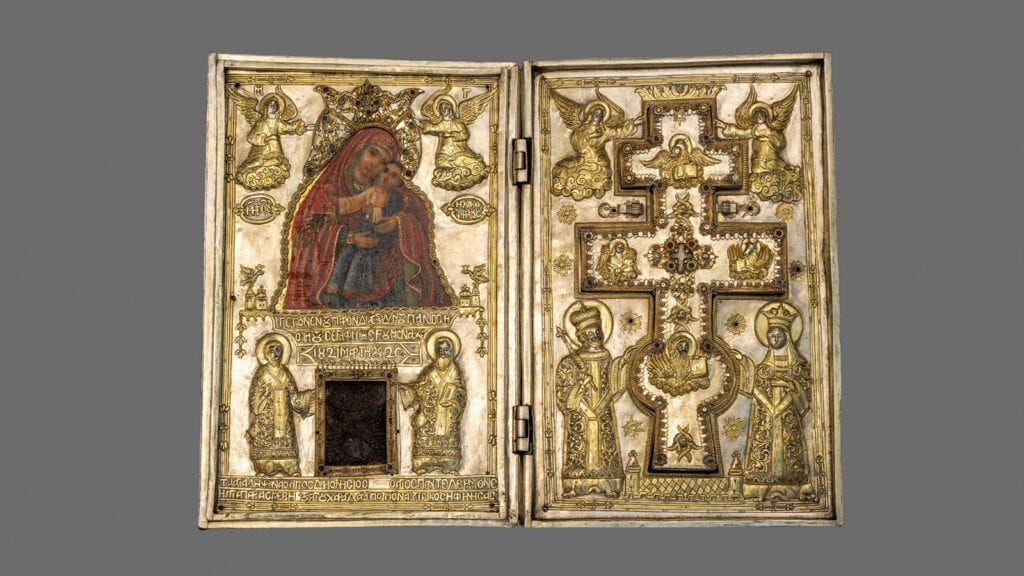
The treasures went on display Saturday, October 10, at Thessaloniki’s Museum of Byzantine Culture. The collection includes icons, crosses, reliquaries, liturgical vessels, vestments, and an episcopal throne, dating from the 16th through the 19th centuries.
There are 53 individual objects recorded under 48 inventory numbers, a figure used by the Greek Ministry of Culture. Some inventory entries cover more than one object.
Their physical return, however, has not resolved what the agreement means for ownership. Greek Culture Minister Lina Mendoni describes the arrangement as a repatriation and says it implicitly recognizes Greek ownership. Bulgaria’s National History Museum maintains that the objects were lent, not transferred into Greek ownership. According to the Bulgarian News Agency, they remain on the museum’s inventory, with no agreed date for their return to Bulgaria. The memorandum between the two governments describes the exchange as a reciprocal deposit of historical objects.
The treasures were removed in 1917 from the Monastery of Panagia Eikosifoinissa near Drama, the Monastery of Timios Prodromos in Serres, the Metropolis of Serres and Nigrita, and the Monastery of the Transfiguration of the Savior in Naousa. The objects were taken to Sofia and later held or exhibited at Bulgaria’s National History Museum.
Some objects still bear the names of the people who made them. One of two episcopal vestment pieces from Eikosifoinissa carries the name of Argyrous, a craftswoman from Constantinople. Silverwork signed by artisans from Epirus and decorated liturgical fans from Serres are also among the returned treasures. The Greek Ministry of Culture says inscriptions and historical scholarship helped researchers establish the objects’ origins.
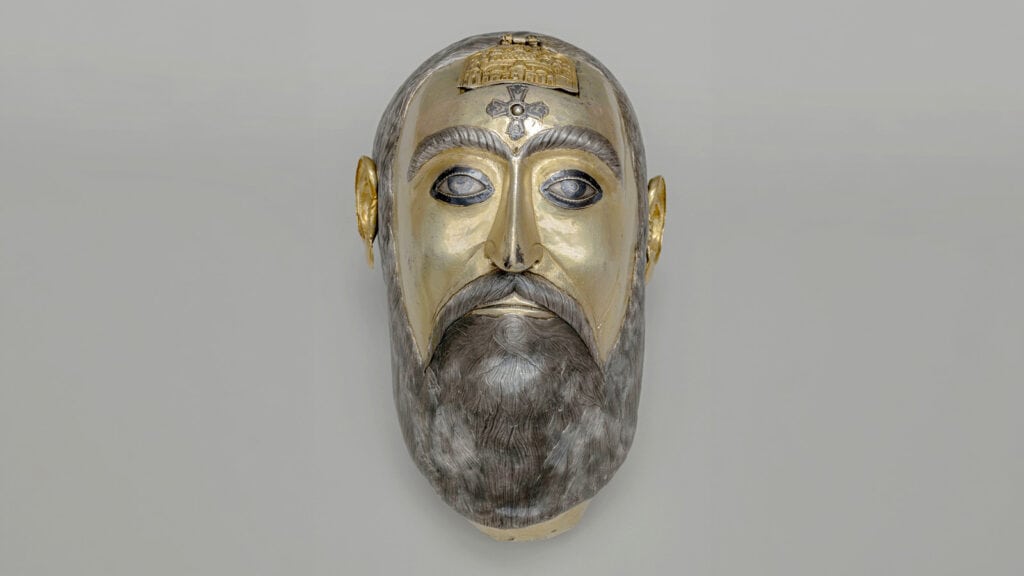
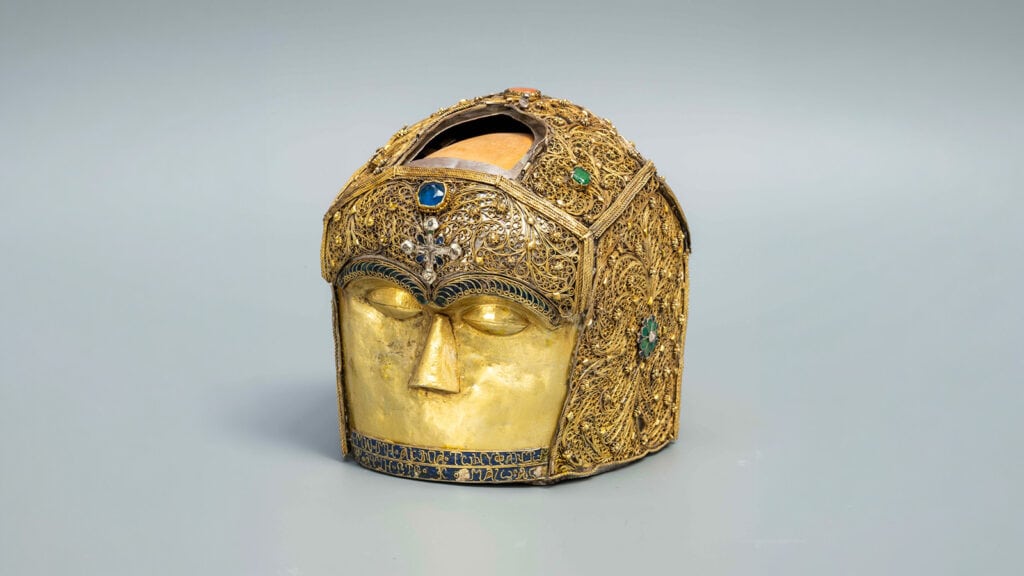
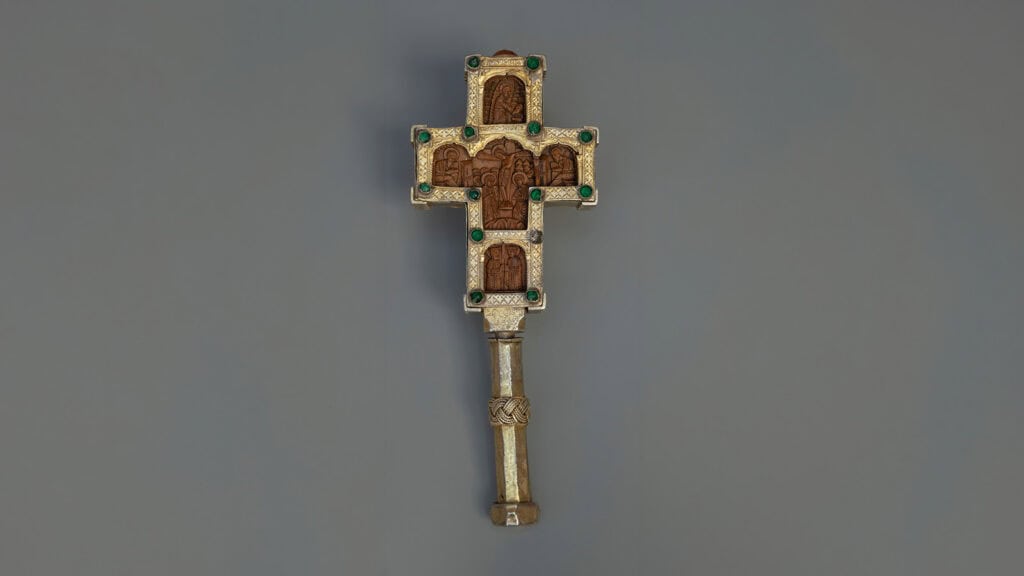
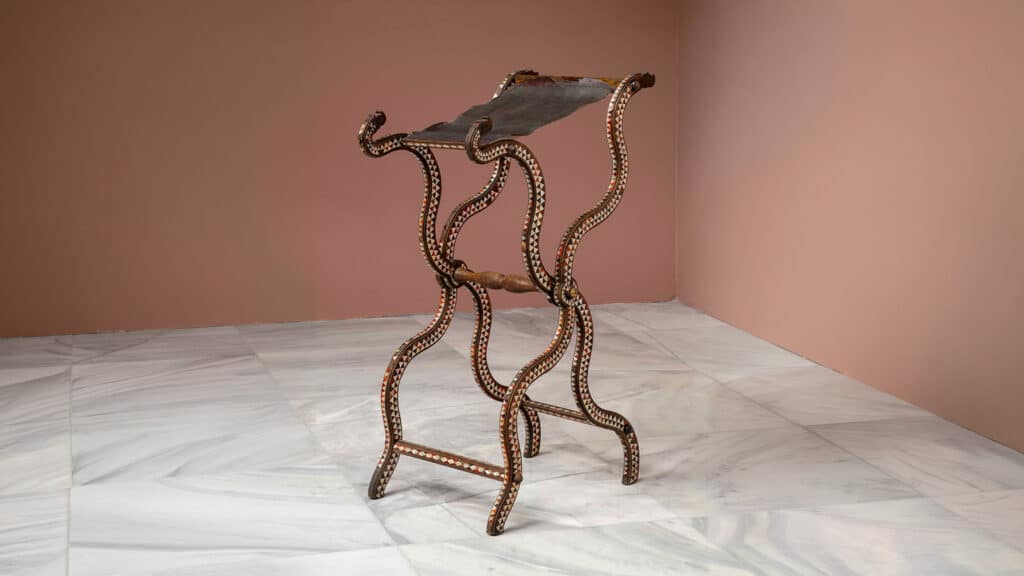
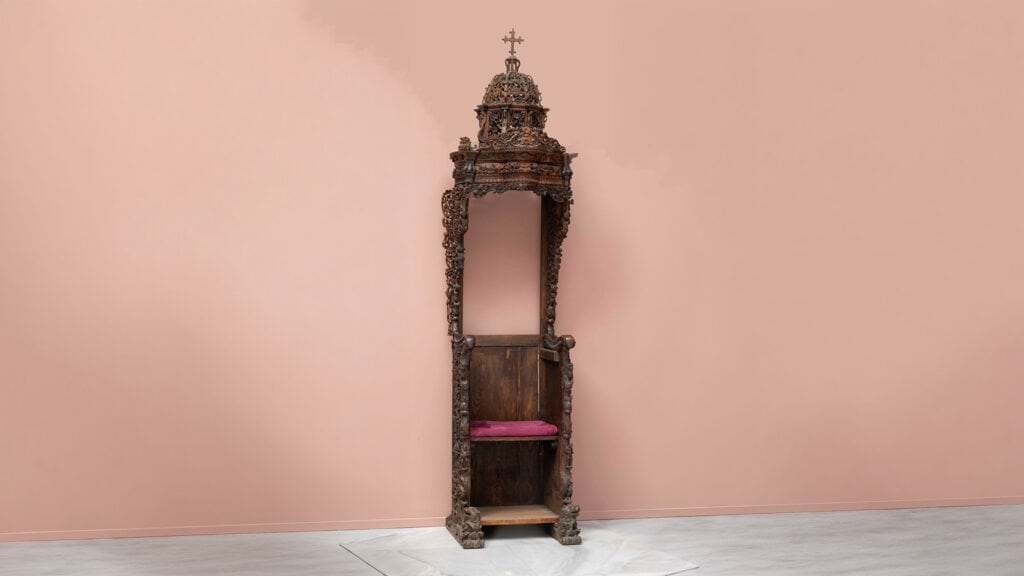
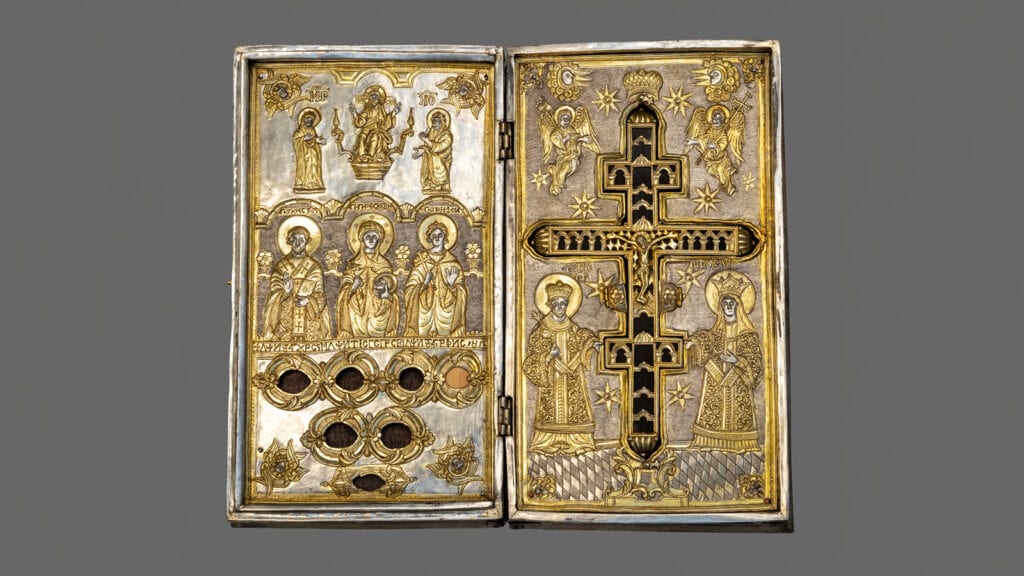
The exchange was formalized on September 29 by Mendoni and Bulgarian Culture Minister Evtim Miloshev. The handover took place on October 3 in Thessaloniki, with Greek Prime Minister Kyriakos Mitsotakis and Bulgarian Prime Minister Rumen Radev in attendance.
The other half of the agreement concerned remains found by Greek archaeologist Nikolaos Moutsopoulos at the Basilica of Saint Achillios on an island in Lake Prespa. Attributed to Tsar Samuel, who ruled the medieval Bulgarian Empire from 997 until his death in 1014, they had been held in Greece for decades. Additional skeletal material from the site, possibly belonging to Samuel’s relatives, was included in the transfer.
Bulgaria received the remains with military honors in Sofia before they were taken to the Church of Saint Sophia. Their return followed negotiations stretching back roughly half a century, including discussions between Greek Prime Minister Konstantinos Karamanlis and Bulgarian leader Todor Zhivkov in the 1970s.
The agreement has drawn criticism in Greece. Former Prime Minister Antonis Samaras said that during his own premiership he had demanded the return of all religious treasures taken from Macedonia. He questioned the decision to surrender Samuel’s remains for what he considered only a fraction of those objects. Mendoni defended the exchange, arguing that it gives Greece an opportunity to document and pursue other treasures still held in Bulgaria.
Under the September memorandum, Greek specialists will be able to examine additional objects and manuscripts in Bulgarian institutions. The two governments have agreed to negotiate over other items not covered by the present arrangement, though no further transfers have been announced.
The exhibition at Thessaloniki’s Museum of Byzantine Culture runs through November 5, 2026. Afterward, the objects are scheduled to be delivered to the monasteries and church institutions from which they were removed in 1917.