
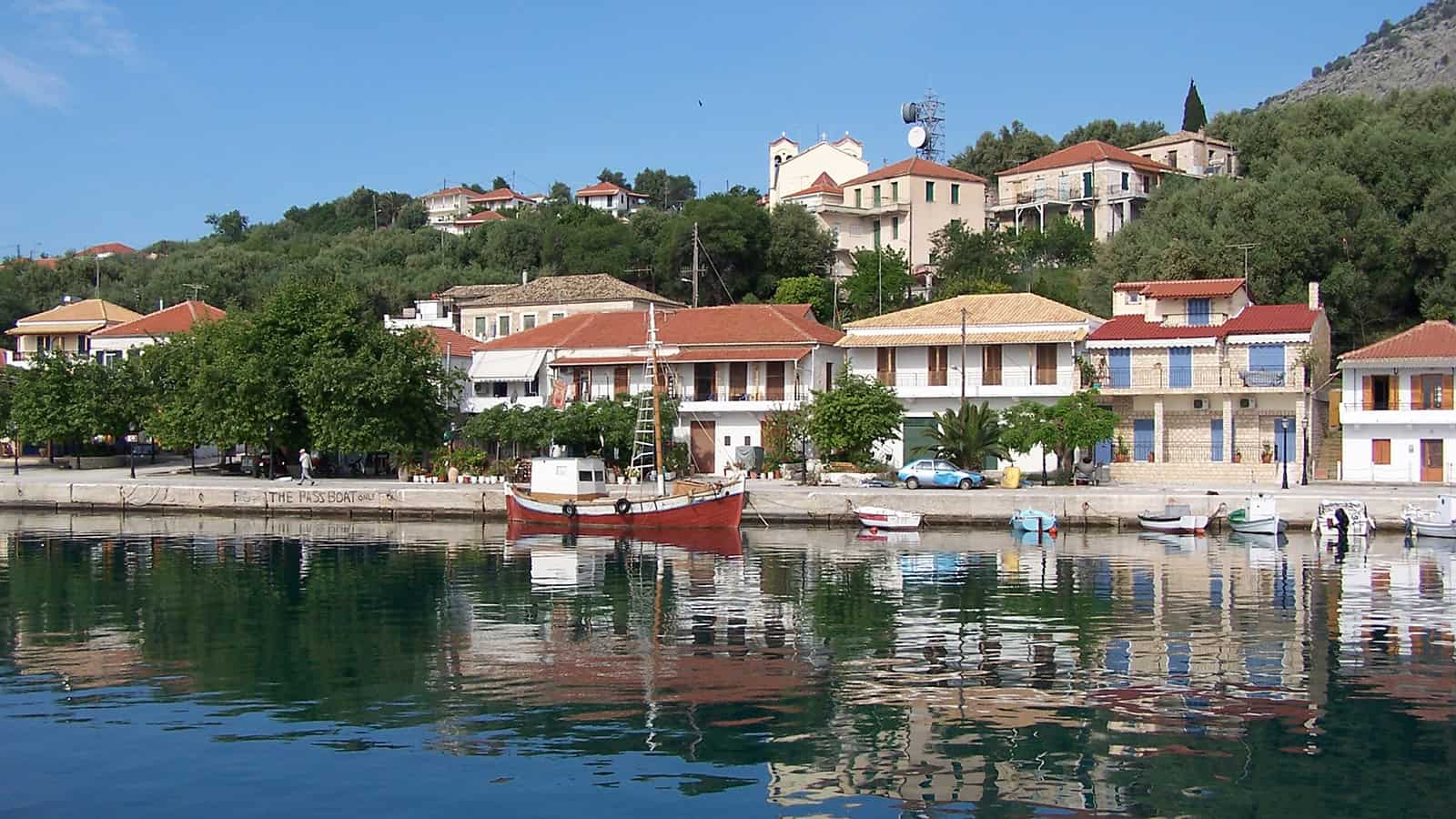
Kalamos Primary School has two pupils left. Both are in sixth grade, and when they move on to secondary school next year, the small Ionian island is expected to lose its last operating school.
The classroom still has rows of desks, but most are unused. Nearby, the kindergarten has been closed for three years. Toys and picture books remain on its shelves.
Kalamos has about 80 year-round residents. A decade ago, around 40 children attended its schools and public daycare, according to an Associated Press report published October 5.
The island’s seven teenagers already travel by boat to Mytikas on the western Greek mainland for school. When strong winds make the crossing unsafe, they miss classes. Next year, the two remaining primary school pupils will face the same journey.
For their teacher, Chryssa Ntalaka, the school’s approaching closure is particularly difficult. She has spent 20 years teaching in remote Greek communities, half of them on Kalamos. She and local officials have tried to attract young families, hoping to keep the school operating.
According to AP, two families with young children could be enough to change its future. Ntalaka says there are teachers willing to work on Kalamos, but no children to fill the classrooms.
The island’s predicament reflects a wider decline in school enrollment across Greece.
For the 2026–27 academic year, the Education Ministry abolished 75 kindergartens and primary schools, most of which had already suspended operations because they had very few or no pupils. AP reported that more than 400 other schools had their operations suspended or existing suspensions extended.
The ministry also downgraded or merged schools where enrollment had fallen. Elsewhere, 38 schools were upgraded because student numbers had grown, reflecting differences in where young families are settling.
Greece recorded 65,618 births in 2025, down 4.2 percent from the previous year, according to figures released on October 1 by the Hellenic Statistical Authority. Deaths totaled 121,841, leaving a natural population decrease of 56,223.
The country’s fertility rate stood at 1.24 children per woman in 2024, compared with an EU average of 1.34. Both are well below the level needed to maintain a stable population without migration.
On small islands and in mountain villages, the effects are particularly difficult to manage. A school closure can make it harder for families to remain, while the departure of those families reduces the chances of reopening it.
Demographer Byron Kotzamanis, co-founder of the Institute of Demographic Research in Athens, warned in the AP report that closing schools can accelerate the departure of younger residents. He argued that such decisions should be made sparingly and should not depend on financial considerations alone.
Public investment is one part of the response. Themis Christophidou, a senior European Commission official, told AP that the EU had spent €146 million over five years modernizing schools in four Greek island clusters to help address demographic decline.
Greece has also introduced a National Demographic Action Plan for 2025–2035, covering family support, employment, housing and regional development.
But the challenge extends beyond schools. Keeping young people in smaller communities also depends on whether they can find work and establish families there.
Antonis Aivaliotis, a high school senior from Kalamos, knows that problem firsthand. He once attended Ntalaka’s classroom and now makes the journey to the mainland for school.
He told AP that he would prefer to remain on the island but expects to leave after graduation because of the lack of development.
For generations, Greeks have left islands and villages in search of education and employment, including many who eventually settled abroad. On Kalamos, the shrinking number of children is making that familiar choice increasingly difficult to avoid.
Unless new families arrive, the island’s primary school will close after its final two pupils finish the academic year in 2027. For the children who come after them, attending school will mean leaving Kalamos each morning.