
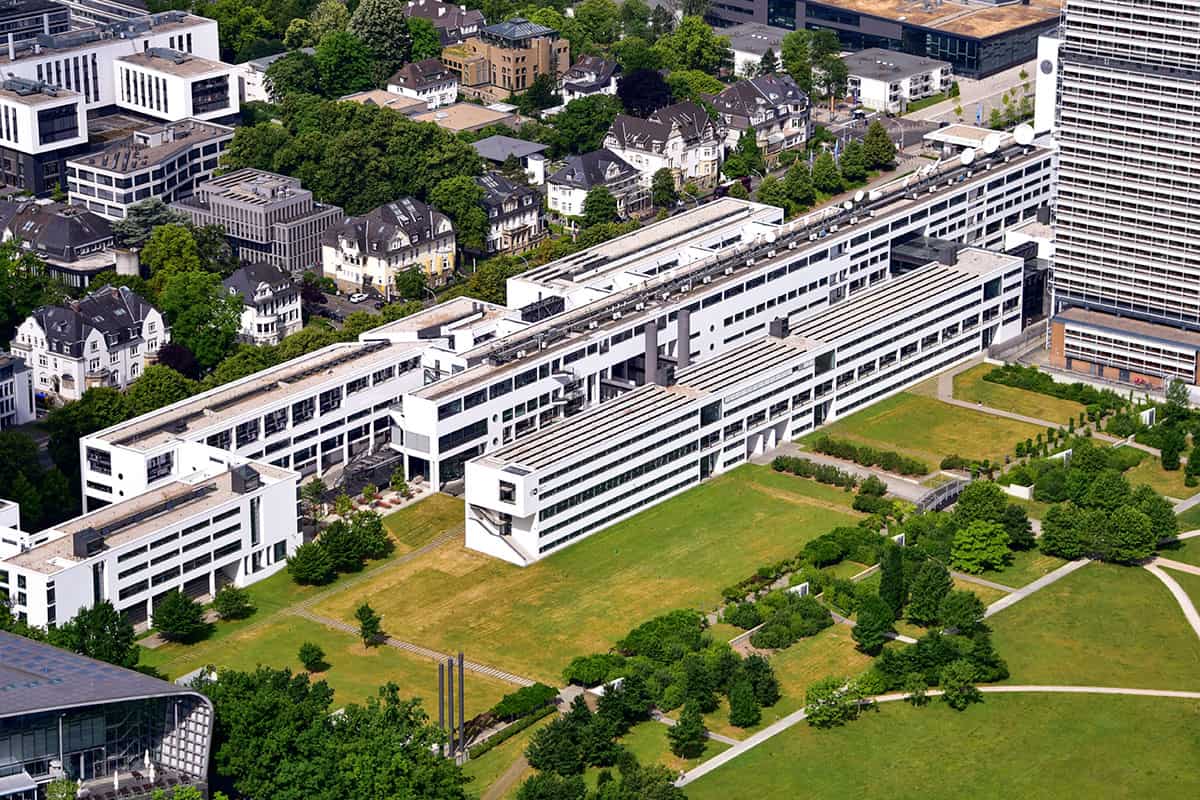
For decades, many Greeks tuned their shortwave radios late at night to hear the Greek-language broadcasts of Deutsche Welle. In years when censorship limited what could be reported inside the country, those distant signals from Cologne carried news that listeners often could not hear anywhere else.
After more than sixty years on air, that voice is set to disappear. Germany’s international broadcaster Deutsche Welle announced that its Greek-language service will shut down on January 1, 2027 as part of a broader restructuring.
The decision was announced in February 2026 after the German government reduced funding for the broadcaster, forcing Deutsche Welle to seek savings of roughly €21 million across the organization. As part of the restructuring plan, the Greek service will be discontinued entirely.
Today Deutsche Welle broadcasts in 32 languages worldwide with the mission of providing independent journalism and presenting a European perspective on international events. Among those services, the Greek-language program has long held a distinctive place because of its historical role during one of the most difficult periods of modern Greek history.
A Voice Heard During the Dictatorship
The first Greek broadcast of Deutsche Welle aired on April 13, 1964, from the station’s headquarters in Cologne. Initially transmitted on shortwave radio, it was part of the broadcaster’s expanding network of foreign-language programming.
Its influence grew dramatically after the military coup in Greece in 1967.
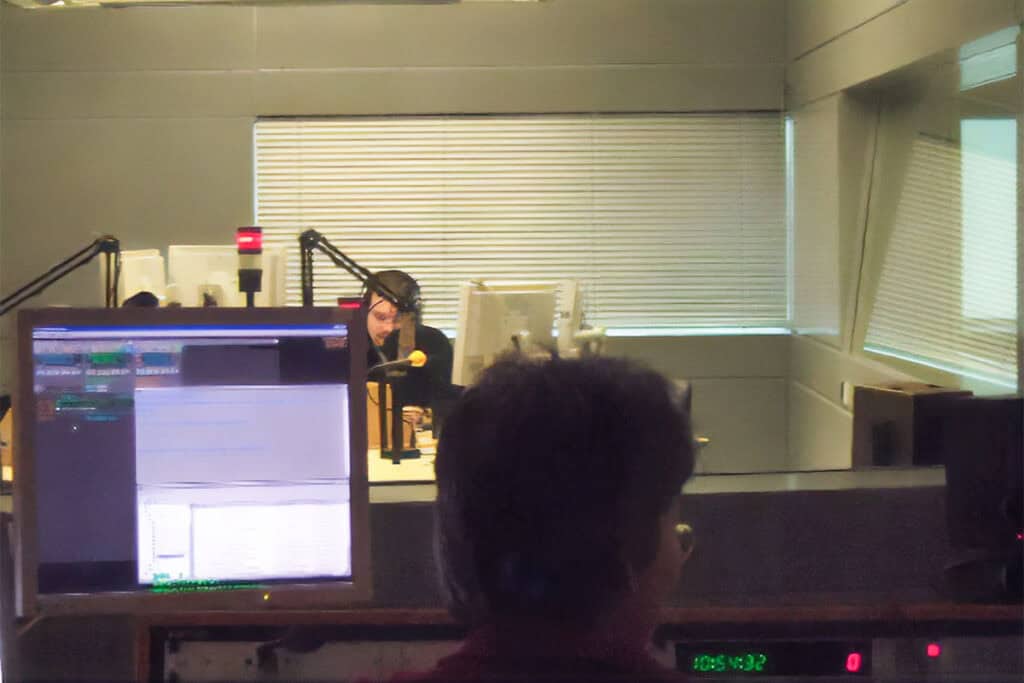
During the years of the dictatorship, when domestic media operated under strict censorship, foreign shortwave stations became a crucial alternative source of information. Deutsche Welle’s Greek program gradually adopted a more openly critical stance toward the military regime and attracted a large audience inside Greece.
Some historical accounts estimate that as many as three million listeners tuned in nightly, often listening quietly at home so as not to draw attention. For many people the broadcasts became a rare channel of uncensored information about political developments in Greece and abroad.
The junta reacted angrily to the coverage. Officials reportedly referred to the journalists working at the station in Cologne as the “rodents of Cologne,” reflecting how strongly the regime objected to the station’s reporting.
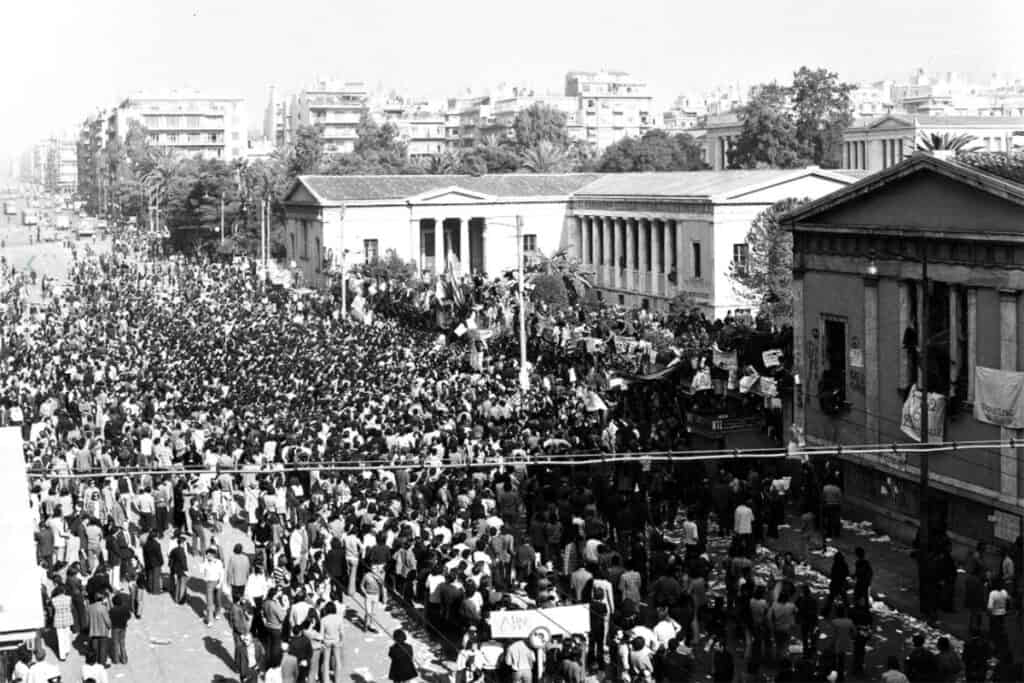
During the 1973 student uprising at the Athens Polytechnic, Deutsche Welle was among the international broadcasters that retransmitted messages from the student radio station, helping spread news of the events beyond the reach of domestic censorship.
When democracy was restored in Greece in 1974, the station’s role inevitably began to change.
From Shortwave Radio to the Digital Era
After the restoration of democracy, the role of Deutsche Welle’s Greek service gradually evolved.
Shortwave radio slowly lost its central importance, while the station expanded into television collaborations, digital journalism, and social media. In recent years the Greek editorial team has focused largely on its Greek-language website and multimedia reporting.
The service also maintained partnerships with Greek media outlets, including television appearances and a short daily radio bulletin rebroadcast by stations in Greece and Cyprus.
During the years of the eurozone debt crisis, Deutsche Welle’s Greek-language coverage frequently focused on the political and economic tensions between Greece, Germany, and European institutions. Reports examined issues that dominated European headlines at the time, including whether Greece might exit the eurozone and how austerity policies tied to bailout agreements were affecting the country’s economy.
The broadcaster described its role during that period as helping explain German and European perspectives to Greek audiences while presenting Greek views within the broader European debate.
Why Deutsche Welle Is Ending the Greek Service
Deutsche Welle says the closure reflects shifting global priorities rather than a change in its relationship with Greece.
According to the broadcaster, resources are increasingly being directed toward regions where press freedom is under greater pressure or access to independent information is more limited. Countries such as Russia and Iran are often cited as examples where international broadcasting is considered strategically important.
Because Greece is a member of the European Union with a diverse and established media landscape, the organization argues that maintaining a dedicated Greek-language service is no longer a priority within its global strategy.
The restructuring plan also includes the elimination of roughly 160 positions across the organization, largely through restructuring and non-renewal of contracts rather than direct layoffs.
The End of a Long Broadcasting Tradition
The closure of Deutsche Welle’s Greek program also reflects a broader shift in international broadcasting.
For much of the twentieth century, several major Western broadcasters maintained Greek-language services aimed at audiences in Greece. The BBC Greek Service, which began in 1939, remained on air until 2005. The Voice of America’s Greek-language broadcasts continued until 2014.
When Deutsche Welle ends its Greek service in 2027, the last major Western public broadcaster operating a full Greek-language news service will disappear.
The technology that once carried those signals across borders has largely disappeared. But for many Greeks who remember searching the shortwave dial late at night, the broadcasts of Deutsche Welle remain part of a shared memory from a time when news arrived from far away.