
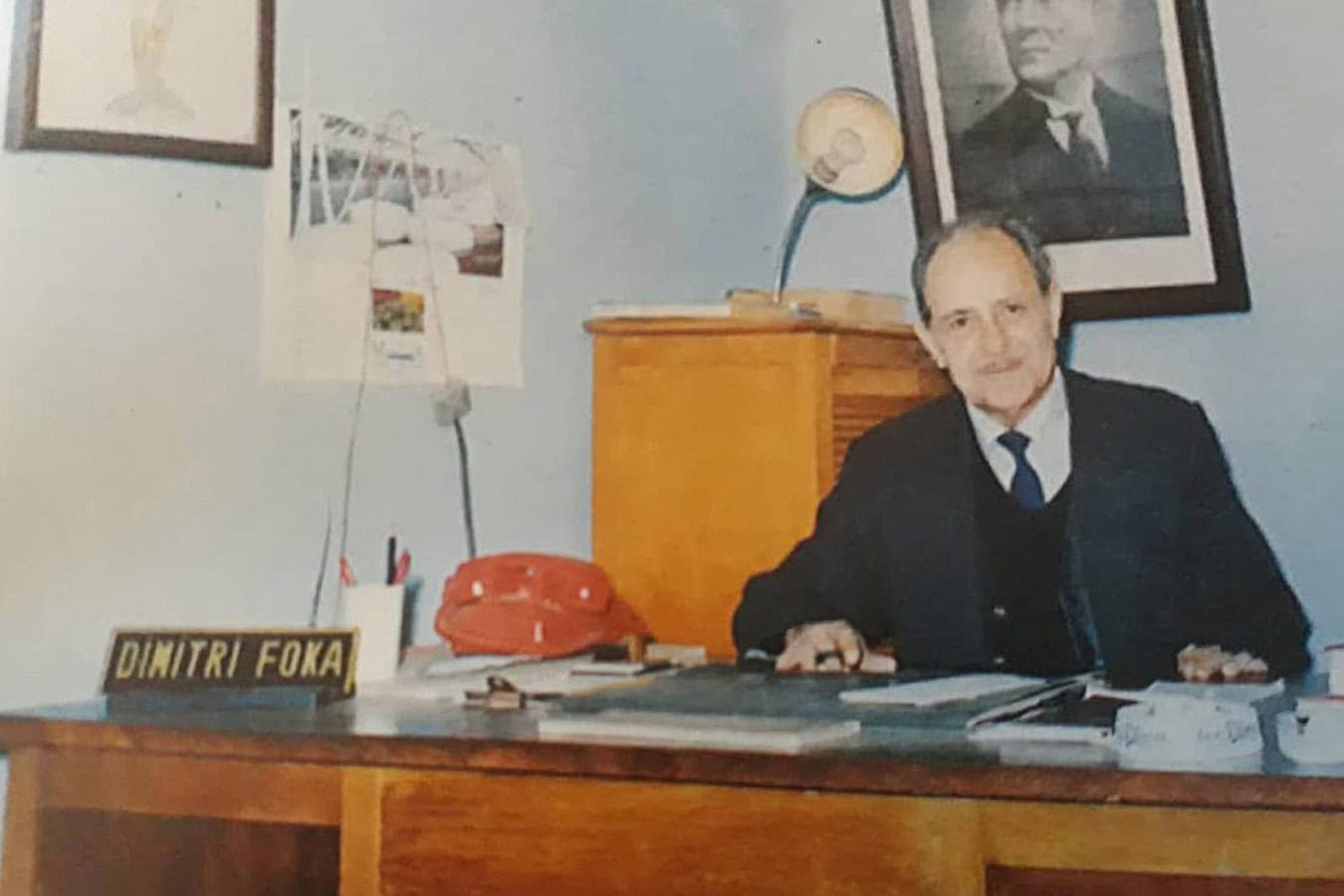
When Dr. Dimitri Foka received a government transfer from Imbros to mainland Turkey during the 1960s, he refused the assignment. He resigned from his position at the island’s state hospital and opened a private practice while many of the island’s Greek residents were leaving.
More than three decades after his death, Foka’s life is the subject of a documentary by Turkish filmmaker Deniz Devrez. The 40-minute film, titled Foka, draws on the memories of patients, neighbors and others who knew the physician.
The film has screened at festivals in Turkey, Greece and the United States, with another screening and online viewing scheduled in Slovakia.
A Doctor on an Island Under Pressure
Born in 1914 in Aghioi Theodoroi, now Zeytinli, Foka was a Turkish citizen of Greek ethnicity. His birthplace, Imbros, is known in Turkish as Imroz and was officially renamed Gökçeada in 1970.
He completed his secondary education at the Halki Theological School before studying medicine in Athens.
The documentary’s official synopsis states that Foka escaped execution by the Nazis in Greece during World War II because he held a Turkish passport.
After completing his studies, Foka returned to Istanbul, passed the examination required to practice medicine in Turkey and was appointed to Imbros. He began working at the state hospital in 1949.
His eldest son, Kosta Fokas, recalled that he was the island’s only doctor until 1960, when another physician, Dündar Ölçer, arrived.
He traveled between villages, attended births and responded to emergencies at a time when many homes had no telephone and patients sometimes had to travel considerable distances to seek help.
Amid tensions between Greece and Turkey over Cyprus, Turkish authorities closed Greek-language schools on Imbros in 1964. Agricultural land was expropriated for government projects, including an open agricultural prison established in 1965 and a state-owned agricultural enterprise created in 1966.
A 2008 report by Andreas Gross for the Parliamentary Assembly of the Council of Europe’s Committee on Legal Affairs and Human Rights documented the island’s demographic decline. Imbros’s ethnic Greek population fell from 5,487 in 1960 to 2,571 in 1970. By 1985, only 472 remained.
The report identified government measures and economic pressures among the factors contributing to emigration. It also recorded disagreements between Greek islanders and Turkish authorities over some allegations concerning the treatment of residents.
Journalist Melike Çapan described Foka’s transfer to mainland Turkey in a 2021 report for Independent Türkçe. Rather than leave, he resigned and established his own medical practice.
Erol Saygı, a teacher who knew the physician, told Çapan that Foka continued responding to requests for help from the hospital even after leaving government service.
The Patients Who Remembered Him
Residents interviewed by Çapan remembered Foka for his willingness to treat people regardless of their background or ability to pay.
Kostas Poulados, who grew up in Aghioi Theodoroi, shared a story about his older brother.
Their father had passed away, leaving the family in difficult financial circumstances. When Poulados’s brother broke his arm, their mother took him to Foka. The doctor initially supported the injury with cardboard before putting the arm in a cast a few days later.
Forty days afterward, the boy returned to have the cast removed. His mother had given him 10 Turkish lira and instructed him to offer the money and ask how much more they owed.
Foka removed the cast but refused payment. When the boy placed the money on the doctor’s desk, Foka told him to take it and go home.
Saygı also remembered calling on Foka during a difficult childbirth in 1970. One of the babies did not survive.
The doctor stayed at the family’s home for approximately 48 hours, Saygı recalled, and returned regularly over the following month to check on the surviving child.
Other islanders interviewed by Çapan described the physician traveling considerable distances to reach patients, sometimes setting aside personal plans to attend emergencies.
His two sons, Kosta and Takis, later became physicians themselves. Kosta remembered his father’s advice that doctors should never discriminate between patients because of their identity, whether Greek, Turkish or Kurdish.
Foka continued practicing medicine on Imbros until 1993. Çapan reported that he passed away that year following a road accident while returning from visiting a patient.
A Turkish Filmmaker Searches for His Story
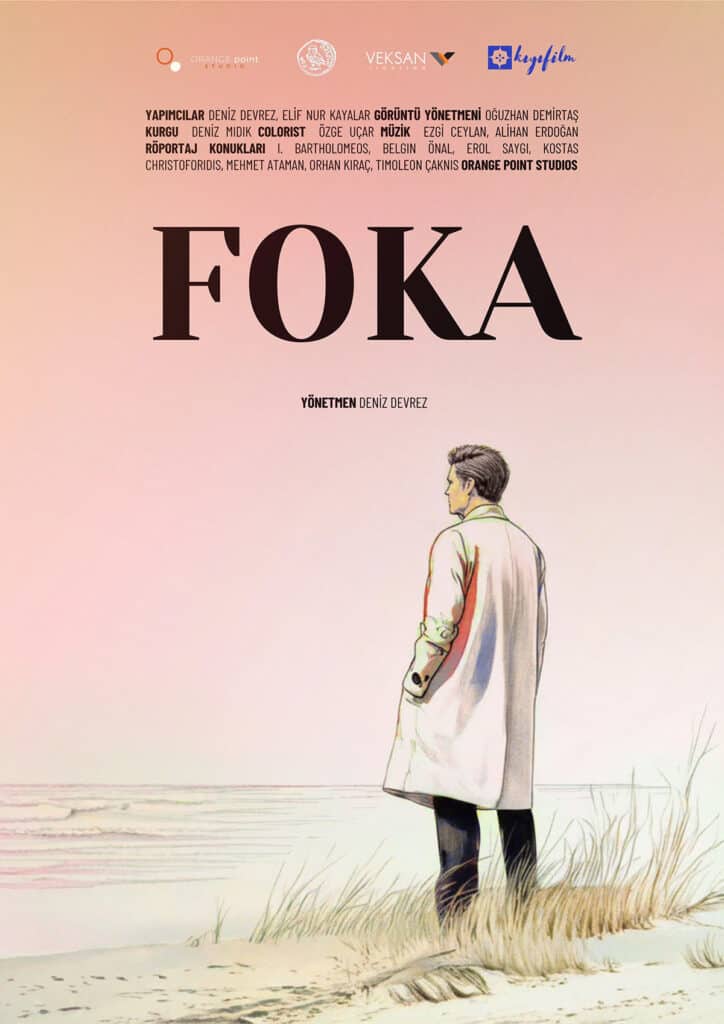
Deniz Devrez’s interest in Imbros began through his family’s connection to the island.
In an August 2026 interview with journalist Banu Bozdemir for Cinedergi, Devrez explained that his sister purchased a house in one of the island’s Greek villages in 2017.
His family began spending more time there, and conversations with Greek neighbors introduced him to the experiences of people who had lived through the island’s upheavals.
Those conversations led to his earlier documentary, Onlar İçin İmroz (It’s Imroz for Them), which examined the displacement of the Greek population following the events of 1964.
During research for that film, Devrez interviewed Stelyo Berber, who remembered Foka as an important figure from his childhood.
The filmmaker began investigating Foka’s life but found little written or photographic material. He turned to former patients, relatives and neighbors, comparing their memories to piece together the doctor’s story.
“I learned something new from everyone I spoke with and checked those details with others,” the director told Bozdemir.
From Imbros to International Film Festivals
Foka screened at the Adana Golden Boll Film Festival in Turkey before appearing at the Chania Film Festival in Crete.
Its North American premiere took place at the Boston Turkish Festival on November 8, where it was presented with English subtitles at the Goethe-Institut Boston.
On November 14, the film screened in the National Documentary Competition at the Ankara Film Festival. It was one of nine documentaries selected from 104 submissions.
The film is also scheduled for the ETNOFILM International Film Festival in Slovakia on November 26, 2026. The festival’s official program lists Foka for online viewing from November 23 through 27.
Devrez told Bozdemir that Foka’s family home still stands on Imbros and remains in the family’s ownership.
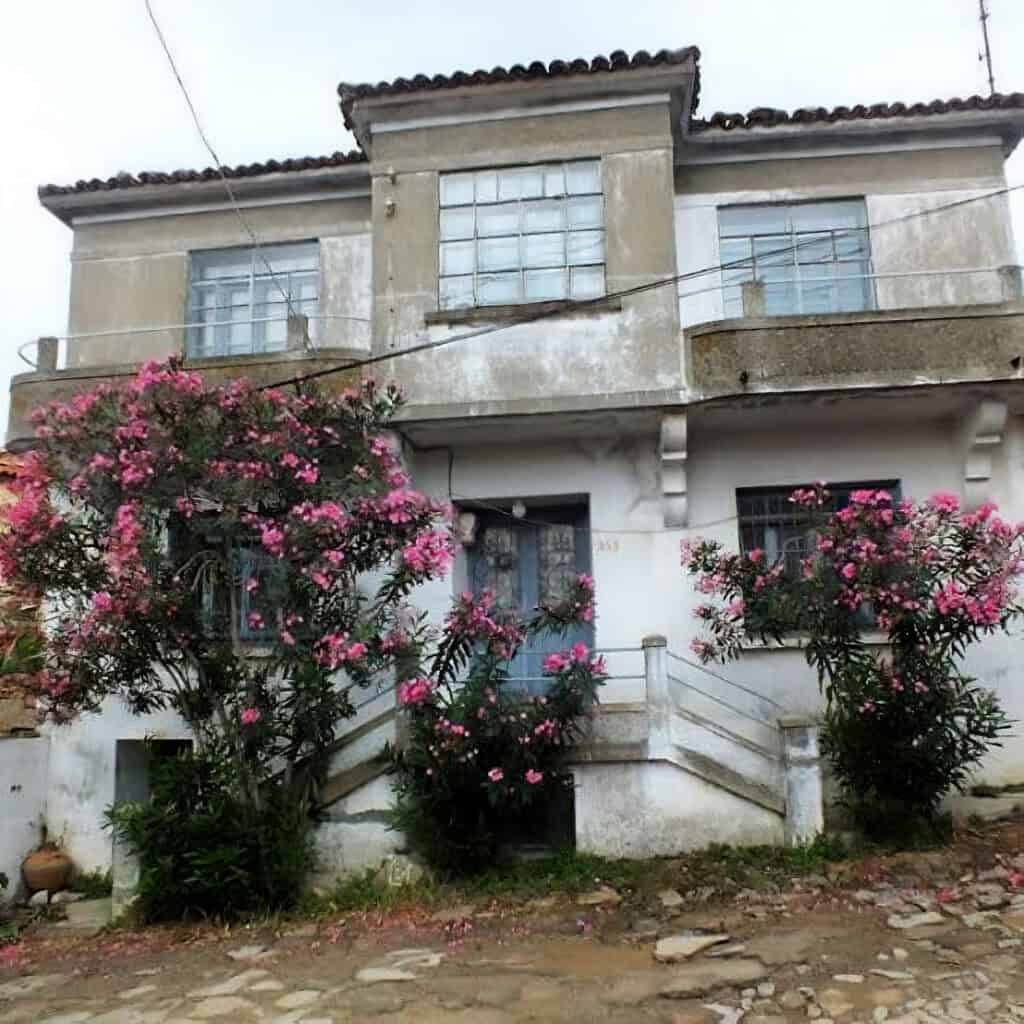
The doctor’s sons left for Greece to pursue their education and settled there permanently. Their parents, Dimitri and Eleni, had spent much of their lives on the island.
The brothers return for a few days every few years. Most of the time, the house stands empty.