
Greece has formally joined Pax Silica, a U.S.-led initiative focused on artificial intelligence, semiconductors, energy, critical minerals, and secure technology supply chains.
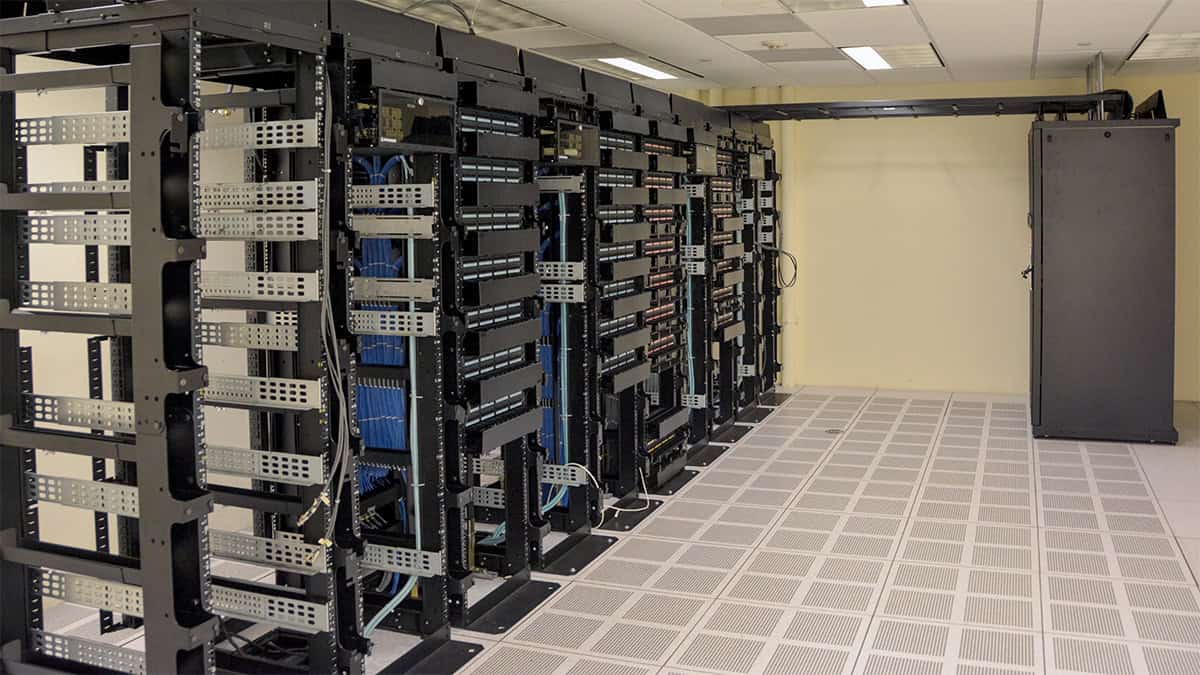
Behind the technical name is a very physical reality. AI depends on chips, electricity, cooling systems, data centers, cloud platforms, minerals, cables, and the countries able to keep those systems reliable and secure. Greece wants a place in that system.
According to the U.S. State Department, Greece joined through a declaration signed in Washington by Greek Ambassador Antonis Alexandridis and Jacob Helberg, U.S. Under Secretary of State for Economic Growth, Energy, and the Environment. The European Union, Germany, Greece, and the Netherlands all joined Pax Silica in the same Washington signing.
For Greece, the move fits a shift already underway. Athens has spent years presenting the country as an energy and logistics hub in the Eastern Mediterranean. Now that same geography is being linked to digital infrastructure, cloud computing, AI services, and data security.
Kathimerini reported that Greece’s participation is connected to projects such as PPC’s planned data center in Kozani and the DAEDALUS supercomputer being built in Lavrio with Nvidia technology. DAEDALUS has also entered the latest TOP500 supercomputer list at No. 31, giving Greece a timely marker of progress in high-performance computing. The country has also worked to attract major cloud and technology companies, including Google, Amazon, and Microsoft.
The larger story is no longer just about software. Energy, data, AI, defense, and supply chains now sit on the same policy map. A country with strategic location, energy planning, ports, connectivity, and political reliability can become more useful in the AI economy than it might have been in earlier technology cycles.
That is the opening Greece is trying to use.
Pax Silica also brings Greece into a wider debate over how Europe should work with Washington on technology security. The United States wants allies to reduce dependence on China in critical technology supply chains, especially around chips, AI infrastructure, and advanced manufacturing. European countries share many of those concerns, but they are also trying to protect their own industries and their room to make policy.
The Netherlands shows the tension clearly. Reuters reported that Dutch Trade Minister Sjoerd Sjoerdsma was in Washington to formalize the Netherlands’ Pax Silica membership while also pressing U.S. officials over the MATCH Act, proposed legislation that would push allies to align more closely with American export controls on China. For the Netherlands, home to chip-equipment maker ASML, cooperation with Washington comes with real industrial stakes.
Greece enters from a different position. Its role is likely to come less from semiconductor manufacturing and more from geography, energy, ports, data routes, research partnerships, defense cooperation, and its place inside both the European Union and the Eastern Mediterranean.
The next phase will depend on what Greece builds around the framework. Participation in Pax Silica can give Athens a place in the conversation, but the real work is domestic: reliable energy, modern digital infrastructure, skilled engineers, stronger university and industry links, and clear rules around data and security.
That work will also be local. Data centers and AI infrastructure use land, electricity, water, cooling systems, skilled labor, and public planning. If Greece wants a lasting role in this new technology map, the test will be found in places like Kozani and Lavrio, where national ambition has to become physical infrastructure.