
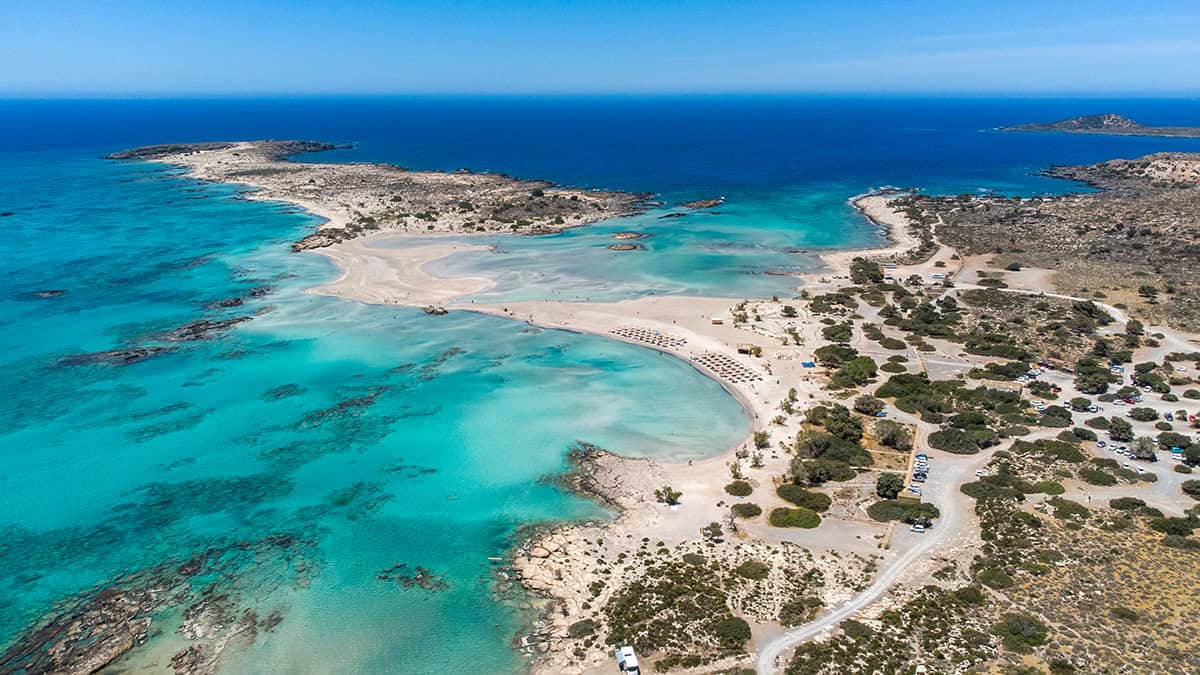
Greece is expanding protection for some of its most fragile coastal areas, adding more beaches to the country’s list of “Απάτητες παραλίες,” or highly protected beaches. The official category is often translated as “untrodden beaches,” although the phrase is less about keeping people away and more about keeping commercial pressure out.
The Greek government announced on April 24 that the number of protected beaches has risen to 251, following a joint ministerial decision signed by Kyriakos Pierrakakis, Minister of National Economy and Finance, and Stavros Papastavrou, Minister of Environment and Energy. The measure applies to beaches and coastal sections within areas of the European Natura 2000 ecological network, where “simple-use” concessions are now prohibited, as are activities that could damage the beaches’ morphology or ecological function.
In practical terms, this means no rental loungers, no umbrellas set out by businesses, no beach bars, no mobile canteens, no water-sport rental operations, no amplified music, no motor vehicles, and no organized events of more than 10 people in the protected zones. The original 2024 ministerial decision on high-protection beaches specifically lists many of these restrictions, including the placement of movable items such as tables, chairs, umbrellas, and loungers.
For travelers, the important distinction is this: these beaches are not being turned into private reserves, and the rule is not a general sunbed ban across Greece. The legal framework is aimed at commercial exploitation and activities that alter or burden sensitive coastal ecosystems. A person may still be able to swim, walk, or place a towel on the sand where public access is allowed. What they should not expect is the organized summer setup that has become familiar on many Greek beaches.
The official appendix to the decision confirms the full list reaches 251 entries. The final entries include coastal sections around western Crete, including areas connected to Elafonisi and the coast from Chrysoskalitissa toward Cape Krios.
The newly added beaches include Halikounas on Corfu, Pori and Italida on Ano Koufonisi, Kastro beach on Lefkada, seven beaches in the Hania region of Crete, including Viena beach, and two sites within the Messolonghi Lagoon National Park, according to Kathimerini’s Giorgos Lialios.
The decision is the third expansion of a policy that is less than two years old. The untrodden beaches framework was established in 2024 with an initial list of 198 sites, which grew to 238 before the latest addition of 13 locations. The pace of expansion suggests the government is treating the list as a living instrument rather than a settled one.
The decision comes after several years of public pressure over how Greece’s beaches are used. In the summer of 2023, the so-called “towel movement” drew national and international attention, especially on islands such as Paros and Naxos, where residents protested against the spread of paid loungers and the shrinking amount of free space left for ordinary beachgoers. Reuters reported at the time that protesters complained businesses were expanding beyond their licensed areas, leaving little room for people who simply wanted to lay down a towel.
That dispute was about more than convenience. On many Greek beaches, the question is how much of the shoreline can be rented and serviced before it stops feeling public.
The protected-beach policy is one answer to that pressure. It does not end commercial beach activity in Greece. It does not remove the organized beach model from places where concessions are legal. But it draws a harder line around certain coastal areas considered especially valuable for their landscape, habitats, species, and natural formation.
Natura 2000 is central to that framework. In Greece, the European ecological network includes 446 sites, covering 27 percent of the country’s land area and more than 19 percent of its marine territory, according to Greece’s Natural Environment and Climate Change Agency. The agency notes that Natura 2000 does not exclude all human activity, but requires sustainable management of protected areas.
Greece has also introduced the MyCoast app, which allows citizens to check whether beach concessions are legal and to submit complaints when there is overuse or unauthorized occupation. The Finance Ministry says the app is designed to support free access to the coast, transparency in beach concessions, and environmental protection.
A 2024 iMEdD Lab analysis of MyCoast data found 9,170 coastal concessions listed in the app, with an estimated 60.36 percent involving umbrellas and sun loungers. The analysis also pointed to transparency gaps, including cases where concession contracts were not posted in the application.
That is where the policy will be tested. During the summer of 2024 alone, more than 10,000 complaints were filed through MyCoast, most concerning unauthorized expansions or outright occupation of the public shoreline. Yet only a handful of businesses received fines, and even fewer had their operations shut down. Greece has strong environmental language on paper. It also has one of the most tourism-dependent coastlines in Europe. The pressure to monetize summer space is intense, especially on islands and beaches with international visibility.
Still, the expanded list sends a clear message before the summer season: some beaches are too fragile for the full commercial beach model. Their value lies not only in their beauty, but in their dunes, wetlands, seagrass, nesting areas, rock formations, and the quieter natural systems that are easy to overlook once the music starts and the loungers arrive.
For visitors, the experience may be simpler. Bring a towel. Bring water. Leave the beach as you found it. Do not expect service. Do not expect a bar. Do not expect a reserved front row by the sea.
For Greece, the question is larger. Can a country built so heavily around summer tourism protect the very coast that makes that tourism possible?
The answer will not come from one ministerial decision. It will come beach by beach, season by season, through enforcement, local pressure, visitor behavior, and the willingness to accept that not every beautiful place needs to be organized, rented, and sold.
Some parts of the Greek coast still need room to breathe. This policy is an attempt to give them that room.