
When our grandparents first crossed the Atlantic, they often took the hardest jobs America had to offer. In Philadelphia and the Delaware Valley, Greek men worked in textile mills, steel plants, railroads, and shipyards. Women labored long hours in garment factories. It was heavy, exhausting work, but it gave families their first foothold. Over time, many turned to the trades they already knew from back home. Bakers opened shops. Shoemakers and tailors set up storefronts. Barbers and mechanics became trusted neighborhood figures. These trades carried immigrant families forward and shaped the Greek-American story.
Today in Greece, those very trades are thinning out. According to the 2023 ManpowerGroup Talent Shortage Study, 82 percent of Greek employers report difficulty finding the skilled talent they need. That is one of the highest rates in Europe. The gap is sharpest in hands-on roles. Construction firms cannot hire electricians, plumbers, or drywall workers. Auto garages cannot find trained mechanics. Bakeries, pastry shops, and small workshops face the same squeeze. Employers say the work is there, but the people are not.
The roots lie in the crisis years. More than one million working-age Greeks left the country between 2010 and 2022, heading to both EU and non-EU destinations. They were not only university graduates. Skilled workers in building, repair, food production, and small manufacturing also departed. Those who stayed are aging, leaving gaps that younger generations have not yet filled.
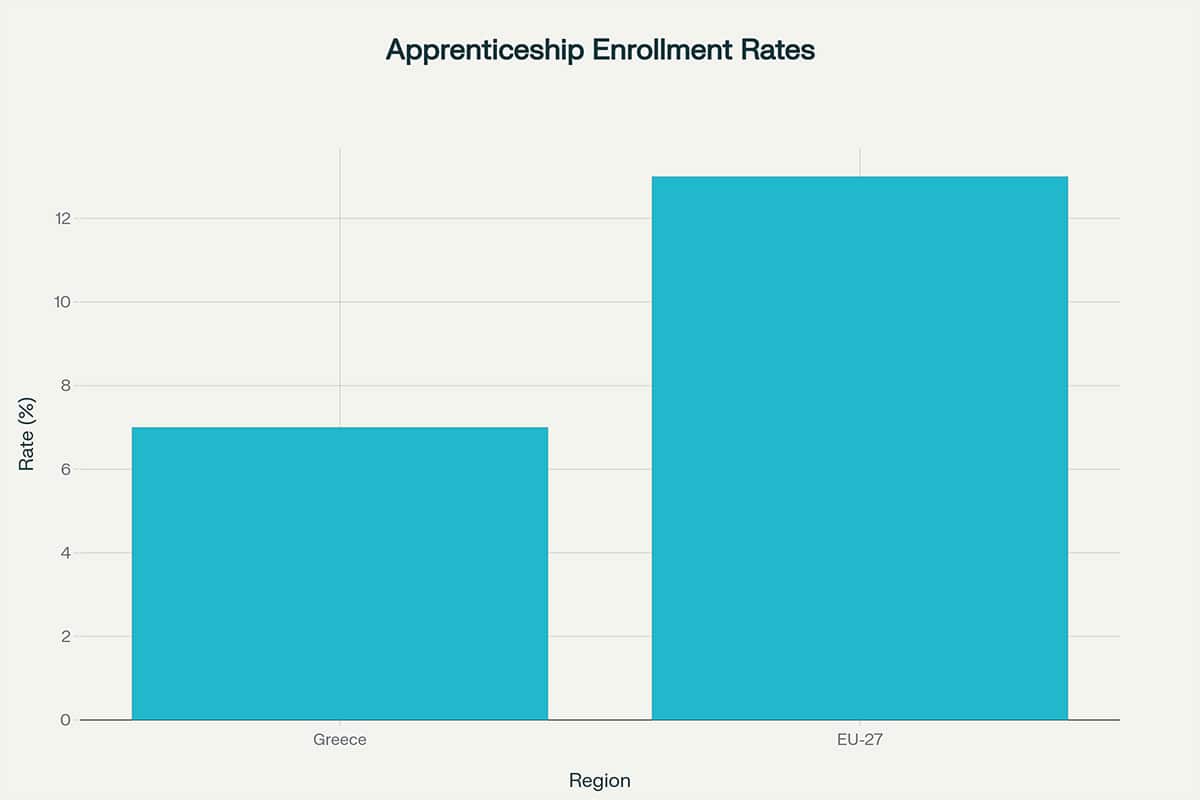
Too few young people are stepping into apprenticeships. Enrollment rates remain among the lowest in Europe. Only about 7 percent of Greek students enter apprenticeship programs compared to 13 percent across the EU-27. The cultural tilt toward university, even when crafts offer steadier incomes, reinforces the imbalance. Meanwhile, estimates suggest Greece needs 200,000 to 300,000 additional workers across tourism, agriculture, industry, and especially construction.
The shortage is not only about finding new apprentices. It is also about succession. A recent survey by the Thessaloniki Chamber of Small Manufacturers found that 63 percent of local businesses lack a successor, and nearly one in three owners are considering closing down. Giannis Marinis, who runs a pastry shop founded by his mother half a century ago, says none of his three children want to take it over. “We grew up in the shop,” he told Kathimerini. “Why should my son do the same?” The long hours, modest returns, and rising costs of modern business discourage many younger Greeks from continuing family trades. When these shops close, it is not just skills that vanish but also jobs, income, and community ties.
Other countries have responded more decisively. Germany offers a fast-track procedure for skilled workers, covering many trades. Canada runs its Federal Skilled Trades Program and provincial nomination streams. Austria supports firms with apprenticeship subsidies that fund both service-sector and technical apprenticeships. In the United Kingdom, major employers integrate apprenticeships into their operations, especially in manufacturing, engineering, and IT. The systems differ, but they share one principle: align training and migration with real labor needs, in close partnership with employers.
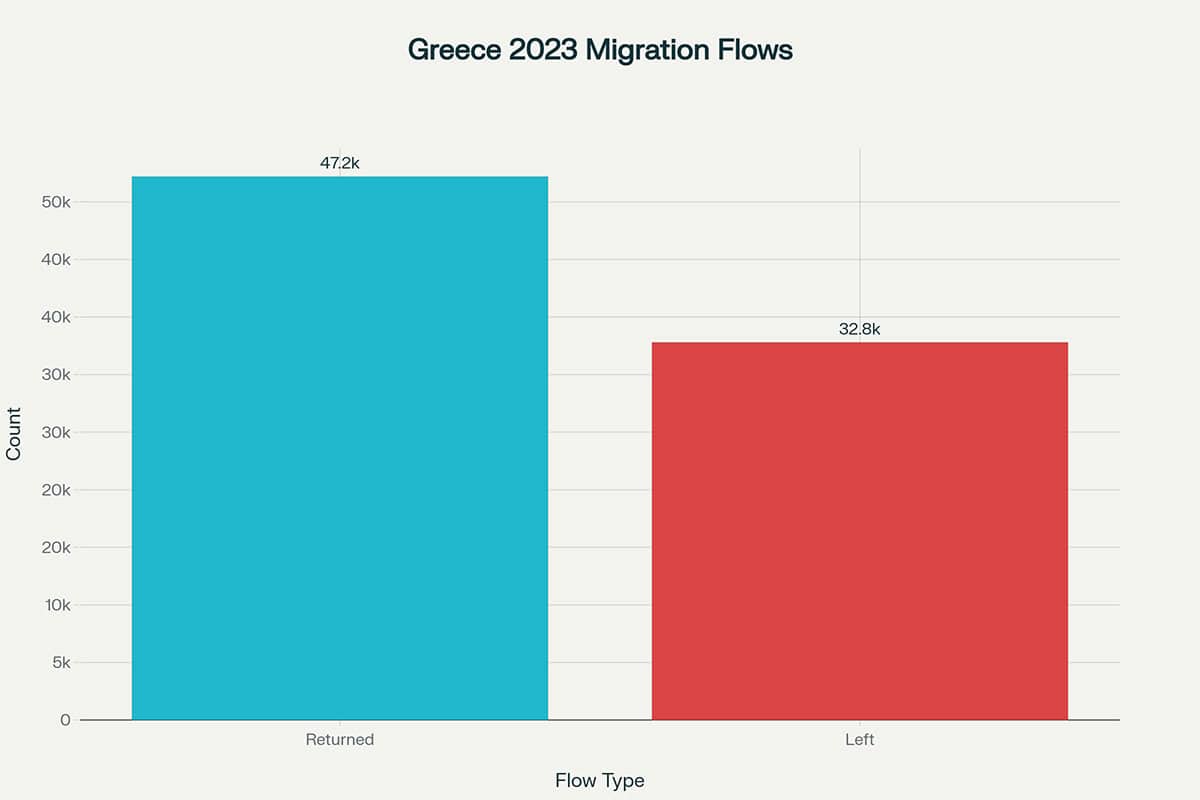
Greece’s response has been slower. Immigration is politically sensitive. A May 2025 survey by ELIAMEP found that about 40 percent of Greeks prefer bilateral labor agreements, while roughly 50 percent favor broader legalization policies. Training programs also lack strong links to small business needs. There are signs of change. In 2023, for the first time since 2010, more Greeks returned home than left. It suggests the start of a slow reversal. But without a stronger pipeline into trades, through better apprenticeships, targeted upskilling, and smart immigration, the shortages will persist.
For Greeks in Philadelphia and across the diaspora, the story carries a poignant irony. A century ago, Greece sent abroad the very tradespeople it now cannot replace. In cities from Philadelphia to Melbourne, Toronto, and Stuttgart, those individuals turned hard labor into small businesses and affirmed the dignity of their craft. Greece’s challenge now is to value its μάστορες just as clearly, by making training practical, careers respected, and pathways into skilled work visible and attainable. Until then, Greece will keep hearing the same refrain: there is work, but no people.
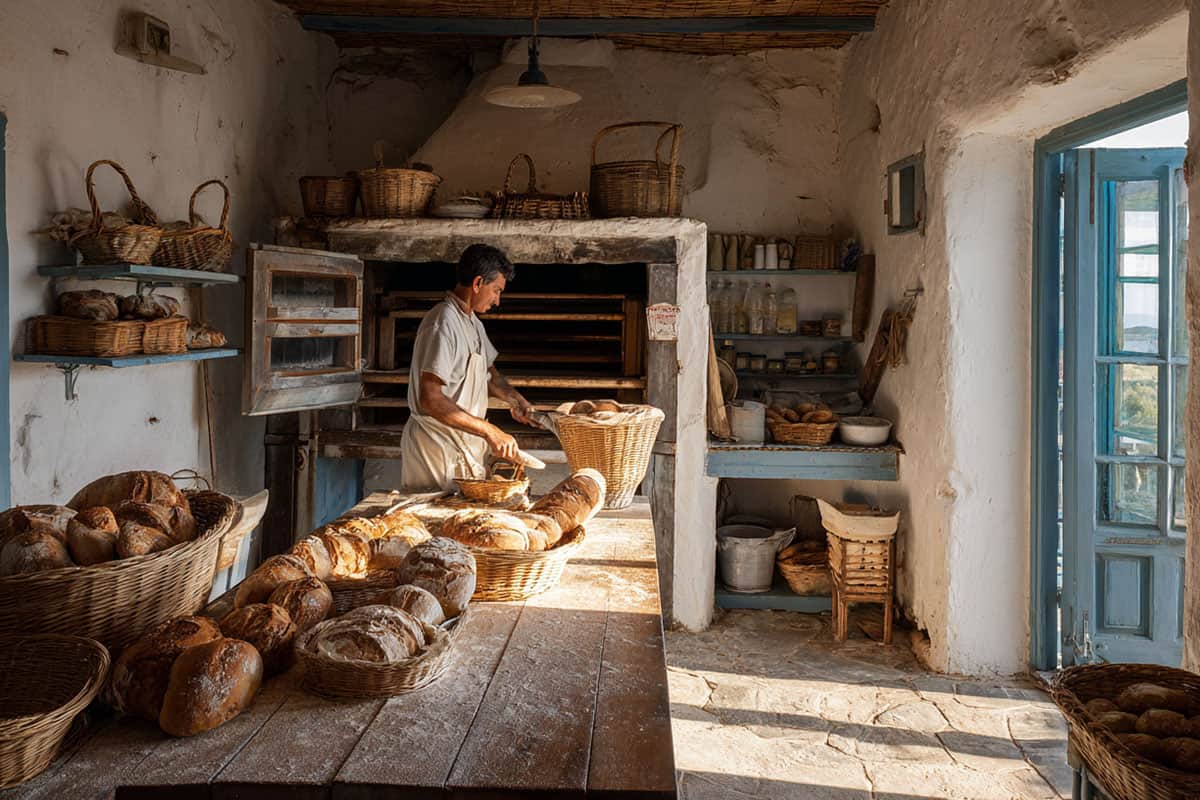
Featured image: A baker at work in a traditional island bakery — a reminder of the skills and crafts Greece is struggling to preserve.