
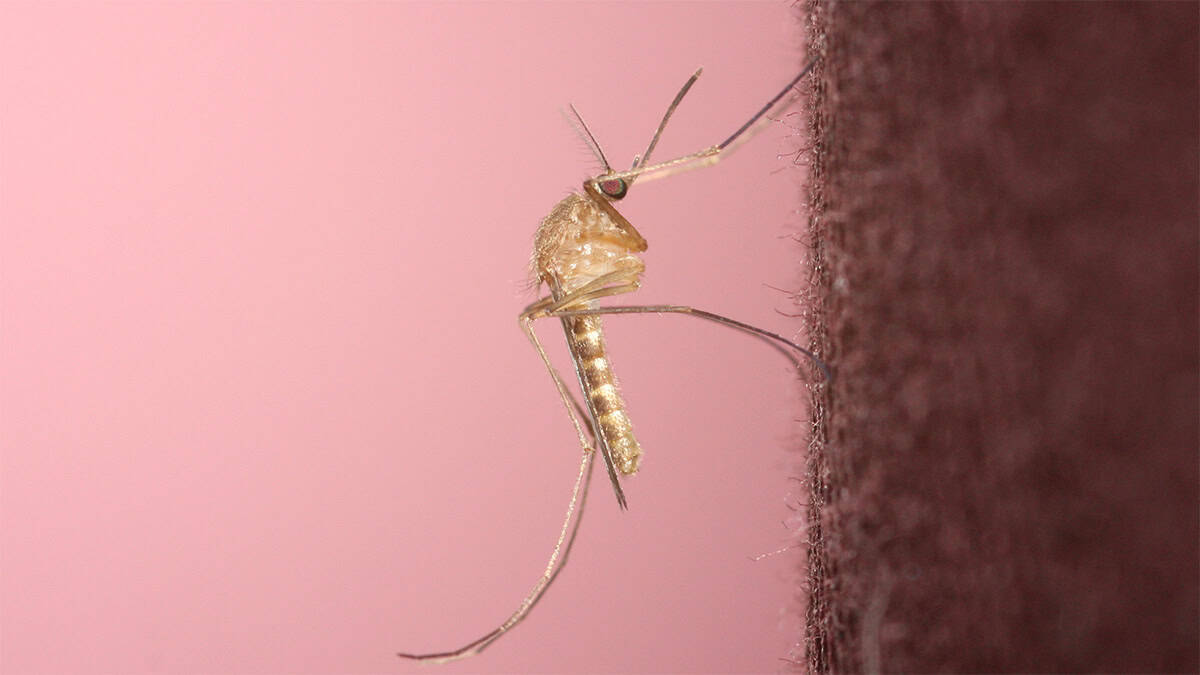
Greece has recorded 65 locally acquired cases of West Nile virus through August 5, including 23 diagnosed or reported during the previous week, as health authorities warn that case numbers are likely to continue rising during the late-summer transmission season.
According to EODY’s August 5 surveillance report, 54 of the 65 cases involved the central nervous system, including encephalitis, meningitis or acute flaccid paralysis. Twenty patients remained hospitalized, eight of them in intensive care. EODY recorded six deaths among patients with West Nile virus and neurological complications. All were over 65, with a median age of 79.
The latest figures are up from 42 locally acquired cases on July 29, when Greece’s National Public Health Organization, EODY, reported 35 cases in Attica. In a July 30 public health advisory, the agency said cases were rising quickly in parts of the region and noted that West Nile cases in Greece typically peak from mid-August through early September.
Most Cases Reported in Attica
Attica accounted for most of the cases in the August 5 report. EODY’s municipality-level data show 48 cases linked to estimated exposure in Attica, seven in Thessaly and six in Central Macedonia. The probable exposure area for four cases remained under investigation.
Cases had been recorded and investigated in 25 municipalities across 10 regional units. In Attica, they were found in East Attica and the northern, central, southern and western sectors of Athens. Outside Attica, cases were recorded in the regional units of Karditsa, Larissa and Trikala in Thessaly, and Pella and Serres in Central Macedonia.
EODY cautions that a patient’s estimated place of exposure provides only a broad indication of where the virus may be circulating. The agency has also designated additional municipalities as higher risk based on geographic and epidemiological factors, although no human cases had been recorded in those areas as of August 5.
EODY expects additional cases to be diagnosed in the coming weeks, both in areas already affected and in places where cases have not yet appeared. The agency describes West Nile virus circulation in parts of Attica this year as particularly intense.
Who Faces the Greatest Risk
The high proportion of neurological cases in the surveillance report does not mean most people infected with West Nile virus become seriously ill. EODY says most people who become infected develop no illness or only mild symptoms, while fewer than 1 percent develop severe disease affecting the nervous system, most commonly encephalitis or meningitis.
Older adults, people with weakened immune systems, and those with chronic underlying conditions face the greatest risk of serious illness. EODY specifically advises people over 50 in these higher-risk groups to be especially consistent about avoiding mosquito bites.
What Travelers and Families Can Do
EODY recommends mosquito precautions throughout Greece, not only in places where cases have already been recorded. The agency says it cannot reliably predict where the virus will circulate as the season progresses.
Its recommendations include:
- Use approved mosquito repellents according to product instructions.
- Use window and door screens, mosquito nets, air conditioning or fans where appropriate.
- Wear clothing that covers more of the body when mosquito exposure is likely.
- Check balconies, yards, gardens and other outdoor areas for standing water and remove it.
- Empty, cover or refresh water in containers at least once a week.
Older adults, people who are immunosuppressed and those with chronic medical conditions should take particular care to avoid mosquito bites. EODY provides additional mosquito protection guidance.
For Greek-American families spending part of the summer in Greece, the August 5 report provides the latest picture of where human cases have been recorded, but EODY’s prevention advice applies nationwide.
EODY publishes updated West Nile virus surveillance reports each Wednesday during the transmission season, with current case numbers and municipality-level information.