
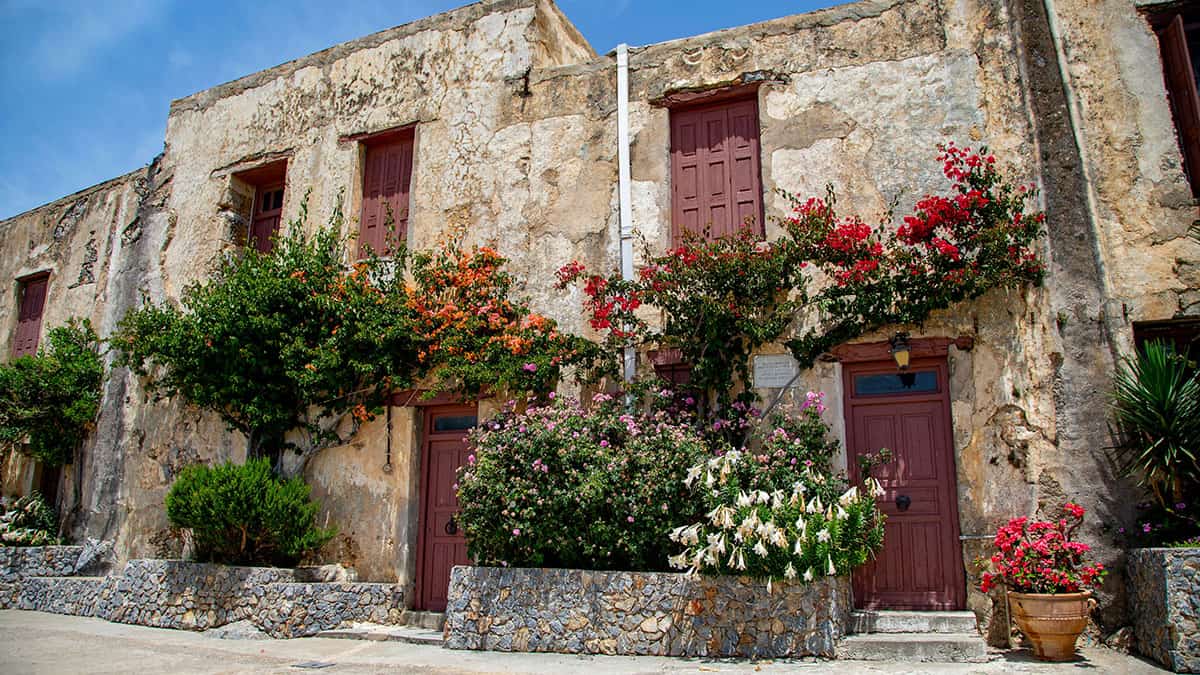
The news often comes in an ordinary way. A call from Greece. A message from a cousin. A lawyer’s name passed along by a relative. Someone has died, and there is a house, an apartment, a field, or a share of land that now has to be dealt with.
For Greeks abroad, from New York and Philadelphia to Toronto, Melbourne, and Sydney, the family house in Greece often remains in the background for years, remembered through summers, relatives, old keys, and stories no one has fully checked against the records.
In one familiar story, an heir abroad believes the matter is already settled because the deceased once said, “Σου έγραψα το σπίτι” — “I put the house in your name.”
In Greek family conversation, the phrase carries weight. It may mean a promise. It may mean a will was written. It may mean a transfer was discussed but never completed. It may also mean exactly what it says. Only the records can confirm it.
There is another version of the same problem. The family may have spoken about the house for decades as if ownership was obvious. A grandfather lived there. A father repaired it. A cousin held the keys. Everyone in the village knew which family it belonged to.
Then the heir asks for the papers.
The house may still be registered under someone who died years ago. An earlier inheritance may never have been completed. A missing deed, an old will, or an unrecorded transfer may have to be dealt with before the current heir can accept, sell, renovate, or safely keep the property.
A house can pass through family memory long before it passes through the registry.
This article offers general information. It does not replace advice from a lawyer, notary, accountant, or other professional familiar with a specific inheritance.
Is there a will?
The first question is whether the deceased left a will.
If there is a will, it has to be located, published through the proper Greek procedure, and reviewed by someone who understands Greek inheritance law. A will written abroad may also need attention in Greece, especially if it names property there.
If no will is found, the inheritance follows Greek rules on intestate succession. Depending on the family situation, that may involve a spouse, children, parents, siblings, nieces, nephews, or other relatives. Many families learn at this stage that the property is not going to one person. It may be divided into shares among several heirs.
Agreement among heirs makes the file easier. Distance, old family tensions, missing documents, and different plans for the house can slow it down.
What exactly is being inherited?
Before anyone makes plans for the house, the family needs a clear picture of the estate.
A house may come with land. The land may have unclear boundaries. An apartment may carry unpaid building expenses. A village property may still be registered under the name of a grandparent or great-grandparent who died decades ago. In some cases, the deceased owned only a percentage of the property. In others, the family may have used the house for years without completing the legal transfers after earlier deaths.
That is a common surprise for heirs abroad. The property may feel inherited already because the family has treated it that way. But if the old inheritance files were never completed, the new heir may have to deal with the unfinished work of parents, grandparents, or other relatives before their own inheritance can be recorded.
Families should gather whatever they can: death certificates from earlier generations, wills, old deeds, tax papers, ENFIA records, maps, utility bills, and any correspondence from a notary, lawyer, accountant, or public office.
The official property records should also be checked. Through gov.gr, owners can use the “Check your property in the cadastre” service for properties in areas where the Cadastre is operating, using Taxisnet credentials.
For heirs abroad, Taxisnet access can add a step. AADE explains that tax residents abroad can request a Greek Tax Identification Number, known as an AFM, and an authentication key through the TIN and authentication key process, often through an authorized person or tax representative.
An old key, a family story, or a lifetime of use can point the family in the right direction. The paper trail decides what has to happen next.
Watch the deadlines
Greek inheritance cases can move slowly. Some deadlines do not.
According to AADE, the inheritance tax return is generally due within nine months if the deceased died in Greece, or within one year if the deceased died abroad or the heirs were living abroad at the time of death. AADE’s inheritance tax return guide also says that, for heirs named in a will, the deadline usually starts from the publication of the will.
There is another deadline for heirs who do not want the inheritance. AADE’s inheritance disclaimer guidance gives a general four-month period to renounce, with a one-year period when the deceased had their last residence abroad or the heir was notified while living abroad.
If the disclaimer period passes without action, AADE says the inheritance is treated as tacitly accepted.
For a family abroad, waiting until the next trip to Greece can be risky.
A changing inheritance law
Greek inheritance law is entering a period of change.
In 2025, Greece changed the way wills are handled, moving important parts of the process from the courts to notaries and a digital registry. Cosmos Philly covered those changes in an earlier explainer on Greece’s inheritance law reform.
Since then, Greece has enacted Law 5303/2026, a wider reform of inheritance law. The law changes major areas of the system, including heir liability for estate debts, inheritance contracts, forced heirship, intestate succession, co-heir relations, and the handling of wills.
The date matters. The main inheritance-law reforms apply to deaths occurring on September 16, 2026 or later. If the death occurred before that date, older rules may still govern the inheritance, with transitional provisions depending on the issue.
For heirs abroad, old family advice may no longer be enough. Before accepting, renouncing, selling, or transferring anything, the family needs to know which rules apply to that specific death.
Acceptance can include debts
An inheritance may include more than a house.
For deaths governed by the older framework, heirs may face liability for the deceased’s debts in proportion to their inheritance share, unless they disclaim the inheritance or accept under the benefit of inventory under the applicable rules. Under current AADE guidance, heirs declare both the assets and the liabilities of the estate.
Law 5303/2026 changes the direction for future cases. Under the new framework, heirs are generally protected from personal liability for estate debts, but that protection depends on how the estate is handled. A person who freely manages or disposes of estate property, or mishandles the estate, can still create personal-liability risk.
The family should look beyond the emotional value of the property. Were there unpaid taxes? Loans? Court claims? Utility debts? ENFIA obligations? Bank issues? A beautiful house in the village can still come with an expensive file.
No one should sign an acceptance of inheritance without knowing what is being accepted and which legal framework applies.
How much tax could there be?
Inheritance tax in Greece depends on the value of the inherited share and the heir’s relationship to the deceased.
AADE says inheritance tax applies to assets located in Greece, whether owned by residents or non-residents, and that the taxable person is the heir or legatee. It also divides heirs into three relationship categories.
The closest relatives fall into Category A: spouse or civil partner, children, grandchildren, and parents. More distant relatives fall into Categories B and C.
PwC’s 2026 Greece tax summary lists Category A as tax-free up to €150,000 per inherited share, then 1 percent up to €300,000, 5 percent up to €600,000, and 10 percent above that. Category B begins with a €30,000 tax-free amount and higher rates. Category C begins with a €6,000 tax-free amount and the highest rates.
Those numbers can change the first conversation. A child inheriting a modest share may face a very different tax picture from a niece, nephew, cousin, or unrelated heir inheriting the same property.
The tax is based on the taxable value used by the Greek system, not necessarily what the family believes the house could sell for.
Documents from abroad may need extra steps
Diaspora cases often depend on documents issued outside Greece: death certificates, marriage certificates, birth certificates, foreign wills, court documents, or notarized papers.
Greek authorities usually need foreign public documents to be authenticated and translated before they can be used. For U.S. documents, the Greek MFA’s apostille guidance says Greek authorities need proof that American documents, or the signatures of American officials on them, are genuine before they will accept them. In many cases, that means an apostille from the state or authority where the document was issued.
After authentication, the document may also need an official Greek translation. The Greek MFA’s U.S. consular guidance says Greek consular authorities in the United States do not provide official translation services and directs applicants to the Register of Certified Translators, lawyers who are members of Greek Bar Associations, or qualified translators from the Ionian University.
Small details can cause long delays. Names should match across documents. Middle names, patronymics, married names, dates of birth, and spelling differences between Greek and English records should be checked before anything is filed.
The notary’s role
For real estate, the inheritance usually has to pass through a notary.
The notary prepares the deed of acceptance of inheritance after the required certificates, tax documents, property records, and supporting papers are collected. AADE lists documents normally required for the inheritance tax return, including a death certificate, copy of the will if one exists, next-of-kin or inheritance certificate where available, and certificates connected to the publication or non-publication of a will.
For the notarial deed, AADE also says the heir must present the ENFIA certificate for the last five years for the inherited properties.
After the deed is signed, it has to be registered with the proper Land Registry or Cadastral Office. Until registration is handled, the file remains unfinished.
Can someone handle it from abroad?
Many heirs do not need to fly to Greece for every step.
A lawyer or trusted representative in Greece can often act through a power of attorney. The document should be prepared carefully, usually by a Greek lawyer or notary, and signed before the appropriate Greek consular authority abroad.
The Greek Ministry of Foreign Affairs describes a power of attorney as a notarial document that allows someone to appoint another person to carry out lawful acts and transactions, including real estate, tax, judicial, administrative, and banking matters. The same guidance says powers of attorney are drafted by a Greek notary or lawyer and submitted to the consular authority before the appointment.
For families abroad, the wording matters. A broad power of attorney may give more authority than the heir intended. A narrow one may not give enough authority to finish the case. The representative may need to obtain documents, deal with tax offices, appear before the notary, sign the acceptance deed if authorized, and handle registration.
Anyone signing should understand the document before the appointment.
How long does it take?
A simple inheritance with cooperative heirs, clear title, available documents, and no major tax issues can still take several months.
A more complicated case can take much longer. Foreign documents may need apostilles and translations. A will may need to be published. Property records may need correction. One heir may be missing. A tax number may need to be issued. A house may still be registered under a previous generation. The Cadastre may show an error that has to be fixed before the property can move.
For families planning a trip to Greece, one visit may help gather papers and sign documents. It may not finish the case.
What will it cost?
Inheritance tax is only one part of the bill.
Families should expect professional fees, official fees, translation costs, apostille or legalization costs, notarial fees, registry or cadastral registration costs, and possible engineering costs if the property has building or boundary issues. Lawyer and accountant fees vary by complexity, location, and how much work must be done from abroad.
The most useful early request is a written estimate. It should separate taxes from professional fees and official expenses. A family may owe little inheritance tax and still face meaningful paperwork costs.
If several heirs are involved, they should also decide who pays the early expenses while the file is being prepared.
Taxes do not end with inheritance tax
After the inheritance, heirs may also need to update E9 property records. AADE says that if the deceased had real estate in their name, heirs must submit a Property Data Statement, known as E9, declaring the real estate they inherit.
There may also be final tax obligations for the deceased. An accountant familiar with non-resident cases can help the family see what has been filed, what has been paid, and what remains open.
After the property passes to the heirs, the usual annual obligations continue. ENFIA, utilities, maintenance, insurance, common expenses, rental income reporting, and future sale documents all depend on the family’s decision.
Decide what happens to the house
Once the legal picture is clearer, the family has to make a practical decision.
Keep the house. Sell it. Rent it. Renovate it. Transfer one heir’s share to another. Leave it closed and visit in the summer.
Each choice has a cost. Keeping the house means taxes, maintenance, repairs, utilities, and coordination among co-owners. Selling requires clean title, updated records, tax clearance, and usually agreement among all owners. Renting may create Greek income tax obligations.
The hardest conversations are often not with the notary or the tax office. They are among relatives who remember the same house differently.
For one heir, it may be a burden. For another, it may be the last visible piece of the family’s life in Greece.
First checklist for heirs abroad
Before signing anything, families abroad should try to gather:
- Death certificate
- Will, if one exists
- Old title deeds or contracts
- Death certificates, wills, or transfer documents from earlier generations, if the title chain is incomplete
- ENFIA records and E9 property information
- AFM details for the deceased and the heirs, if available
- Names and contact details of possible heirs
- Cadastre or Land Registry information
- Foreign certificates that may need apostille and translation
- Information about debts, taxes, loans, or pending claims
- A written estimate from the lawyer, notary, accountant, and any other professional involved
The family house may still look the same from the street. After a death, the heir may inherit not only the property, but the unfinished paperwork behind it.