
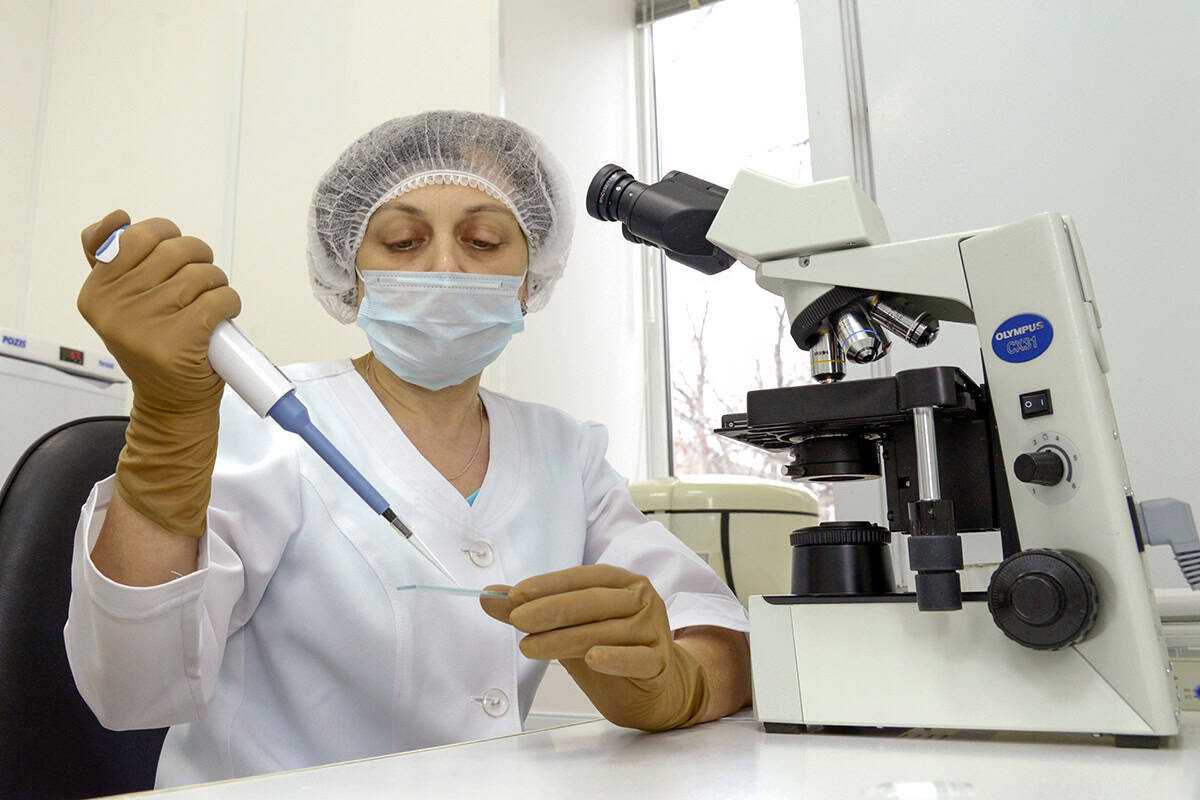
For some Americans, the path to having a child now includes a flight across the Atlantic.
In recent years, Greece has become one of several countries drawing international patients seeking in vitro fertilisation. The reasons are not hard to trace. Treatment in the United States can reach into the tens of thousands of dollars for a single cycle, often without guarantees. In the United Kingdom, access through the NHS is limited, and private options can still carry long wait times and strict eligibility criteria.
Against that backdrop, Greece offers something different. Clinics in Athens and Thessaloniki form the core of that network, with smaller centres in places like Crete also working with international patients. Lower costs, a more flexible regulatory framework, and fewer delays between consultation and treatment have helped shape that flow.
Cost remains one of the clearest drivers. According to Fertility Clinics Abroad, a widely used international patient guide, IVF treatment with a patient’s own eggs in Greece typically falls between €3,200 and €6,200 per cycle, depending on the clinic and what is included. Public pricing from clinics in Athens and Thessaloniki reflects similar ranges, with base cycles around €3,500 to €3,600 before medications. Even when medications and additional procedures are included, many full cycles remain in the range of €5,000 to €8,000.
That difference is not marginal when compared to the cost structures patients face at home. For many, it becomes the difference between continuing and stopping.
But the decision is rarely about cost alone. Patients describe a point where the process at home begins to stall. Waiting lists, repeated cancellations, or protocols that leave little room for adjustment can turn time into its own form of pressure. Greece enters the picture at that moment, not as a first option, but as a continuation.
As one IVF coordinator in Greece described it, patients often arrive at a stage where continuing treatment in their home country is no longer realistic, and they are not ready to stop.
That experience is not limited to one country. It reflects a broader pattern that has been taking shape across Europe, where fertility care is unevenly distributed, and access depends heavily on national systems. For patients willing and able to travel, those differences create a new kind of pathway, one that crosses borders rather than waiting within them.
Greece has positioned itself clearly within that landscape. The country now hosts dozens of fertility clinics, many of which actively work with international patients. English-speaking staff, remote monitoring, and condensed treatment timelines have become standard features of that model. A typical cycle may require a stay of ten to fifteen days, with initial testing and follow-up handled remotely.
Still, the process is not simple. Patients often find themselves coordinating between two medical systems at once. Blood tests and scans may be done at home, while procedures take place abroad. Medication protocols can shift depending on what is available in each country, and the logistics of travel add another layer of uncertainty to a process that is already physically and emotionally demanding.
Those details are easy to overlook from a distance, but they shape the experience as much as the treatment itself. Timing becomes critical. A delayed flight or a change in protocol can have real consequences. What looks like a cost-saving decision on paper can become a tightly managed sequence of appointments, travel, and coordination across borders.
Reporting in the Greek daily Kathimerini, journalist Iliana Magra described this movement as part of a growing “IVF tourism” sector, where patients from countries such as the United States and the United Kingdom travel to Greece in search of more accessible treatment. The article points not only to cost differences but to a system that has adapted to international demand, both medically and logistically.
Greece is not alone in this shift. Spain, the Czech Republic, and other countries have developed similar models. But within that broader map, Greece has emerged as one of the more accessible entry points, combining relatively lower costs with a growing network of clinics and an established flow of international patients.
The appeal is not built on a single factor. It is the result of several systems intersecting at once. Cost, access, regulation, and timing all play a role, but none of them fully explains the decision on its own. For many patients, the choice is shaped less by preference than by what remains possible.
Greece does not change the uncertainty that comes with fertility treatment. It does not guarantee outcomes, and it does not remove the physical and emotional weight of the process.
But for some, it is the point where the process continues instead of stopping.