
Mount Olympus was added to the UNESCO World Heritage List on Sunday, July 26, after the committee reviewing its nomination approved the wider mountain area as a mixed cultural and natural property. Greek officials said the decision was unanimous.
The vote came during the 48th session of the World Heritage Committee in Busan, South Korea, and concluded a Greek campaign that began in 2014. Olympus becomes Greece’s 21st World Heritage property and its third mixed property, joining Meteora and Mount Athos.
UNESCO’s listing covers 18,938 hectares, or about 73 square miles. The property spans the regional units of Pieria and Larissa, extending across parts of Central Macedonia and Thessaly.
It is a serial property connecting the mountain landscape with the archaeological site of Dion at its foot. UNESCO recognized Olympus for both its cultural associations and its importance to biodiversity, including habitats that support threatened species.
A mountain shaped by myth and literature
The cultural case for Olympus reaches beyond its familiar description as the home of the Twelve Olympian gods.
Homer and Hesiod made the mountain a central setting of ancient Greek religion and mythology, shaping how it was understood throughout the Greek and Roman worlds. Zeus ruled from Olympus, while the Muses and Graces were also placed within its landscape. The mountain’s peaks, clouds, ravines and physical separation from the surrounding country helped shape the idea of a divine realm above ordinary human life.
Dion provides the archaeological counterpart to that literary tradition. The ancient Macedonian city, built beneath the mountain, was closely associated with the worship of Zeus and the other Olympian gods. Greece’s Culture and Environment ministries described Dion as the most important physical expression of that worship within the nominated area.
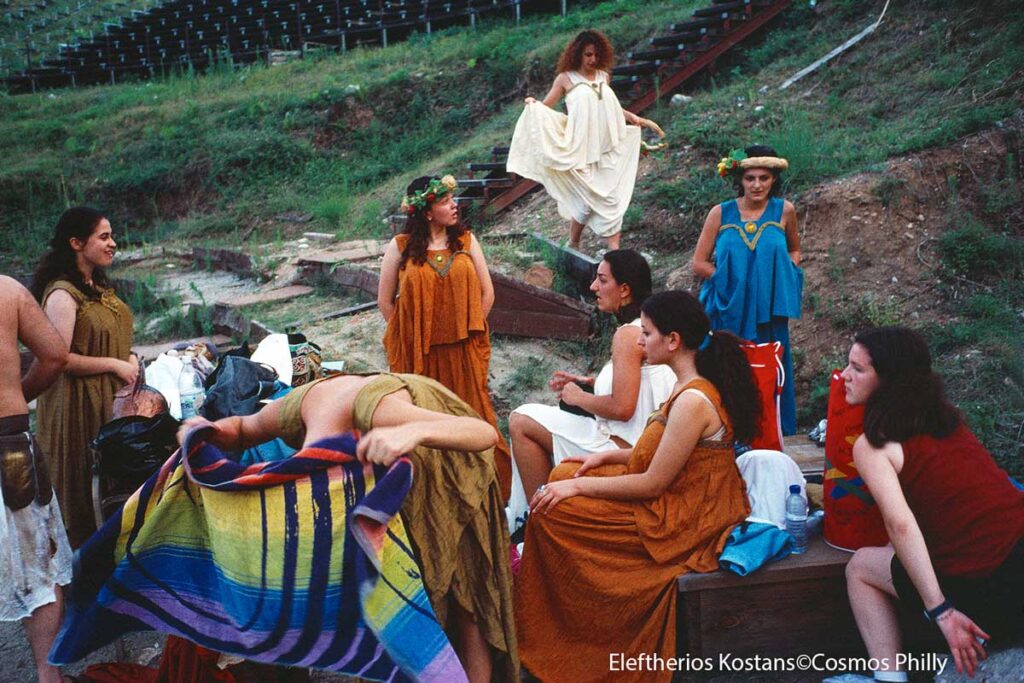
The designation therefore covers more than a summit or protected landscape. It recognizes the relationship between the mountain, the beliefs attached to it, and the places of worship built at its foot.
Why Olympus qualified as natural heritage
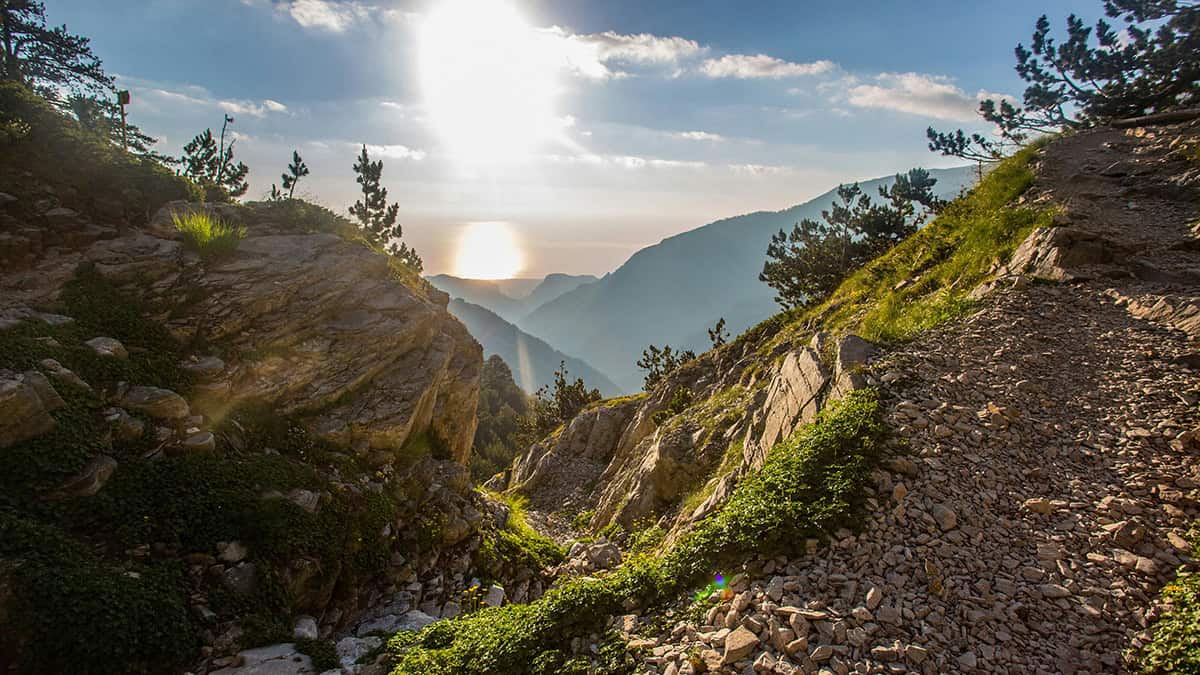
Olympus is Greece’s highest mountain, with Mytikas reaching 2,918 meters, or 9,573 feet. Because it rises sharply near the Aegean coast, its elevation, terrain and proximity to the sea create several climatic and vegetation zones within a relatively compact area.
UNESCO’s description points to glacial cirques, limestone cliffs, karst sinkholes, the Mytikas-Stefani ridge and the Enipeas Gorge. The mountain also served as a refuge for forest species during glacial periods and remains a Mediterranean center of plant diversity and endemism.
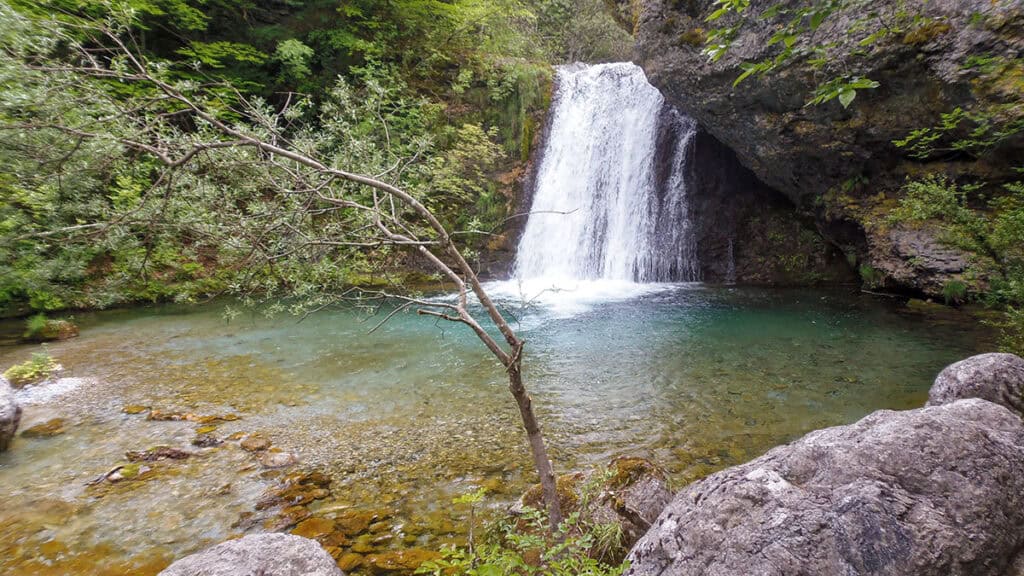
Olympus contains 1,983 vascular plant taxa, about 28 percent of Greece’s flora, including 27 plant taxa found only on the mountain. Its wildlife includes brown bears and Greece’s largest population of Balkan chamois.
Mount Olympus first received national protection in 1938, when its core was designated Greece’s first national park. It was named a UNESCO Biosphere Reserve in 1981.
A 2021 presidential decree designated the wider area as Olympus National Park and established its boundaries, protection zones, land-use rules and permitted activities. World Heritage status adds another level of international monitoring but does not replace Greek environmental law or local management.
Approval was not assured before the vote
Greece placed the wider Olympus area on UNESCO’s tentative list in 2014. It submitted a preliminary dossier in October 2022 and an updated version in February 2023. The nomination entered the review cycle for the 2026 committee session two years later.
Approval was not assured before the meeting. A draft decision published in June, based on recommendations from UNESCO’s cultural and natural heritage advisory bodies, proposed referring the nomination back to Greece for additional work.
The draft raised questions about the boundaries near Litochoro and Dion, protection of the buffer zone, coordination between cultural and environmental authorities and the management of growing visitor numbers.
An amendment filed before the vote replaced the proposed referral with inscription under the cultural and natural criteria while retaining recommendations on boundaries, buffer-zone protection, planning, visitor capacity and monitoring. The committee then approved the listing.
The designation may draw more travelers and hikers to a mountain that already experiences heavy seasonal use. The advisory review called for a tourism strategy, estimates of how many visitors sensitive areas can support, and systems for monitoring where people gather on the mountain.
Evangelos Geroliolios, mayor of Dion-Olympos, told the Associated Press before the decision that the designation would place greater obligations on local authorities to protect the environment as tourism grows.
Recognition brings responsibility
The designation does not place Olympus under United Nations control. Greece remains responsible for conservation, development rules, visitor management and enforcement, with UNESCO reviewing how the property is protected.
Environment and Energy Minister Stavros Papastavrou said the government plans to spend more than €10 million on environmental protection, accessibility and sustainable development around Olympus. The announcement did not provide a detailed project list, funding breakdown or completion schedule.
The World Heritage designation gives new international standing to a place already known far beyond Greece. Its value will depend on what follows on the ground: protected habitats, controlled development, workable visitor planning and coordinated management of both the mountain and Dion.