
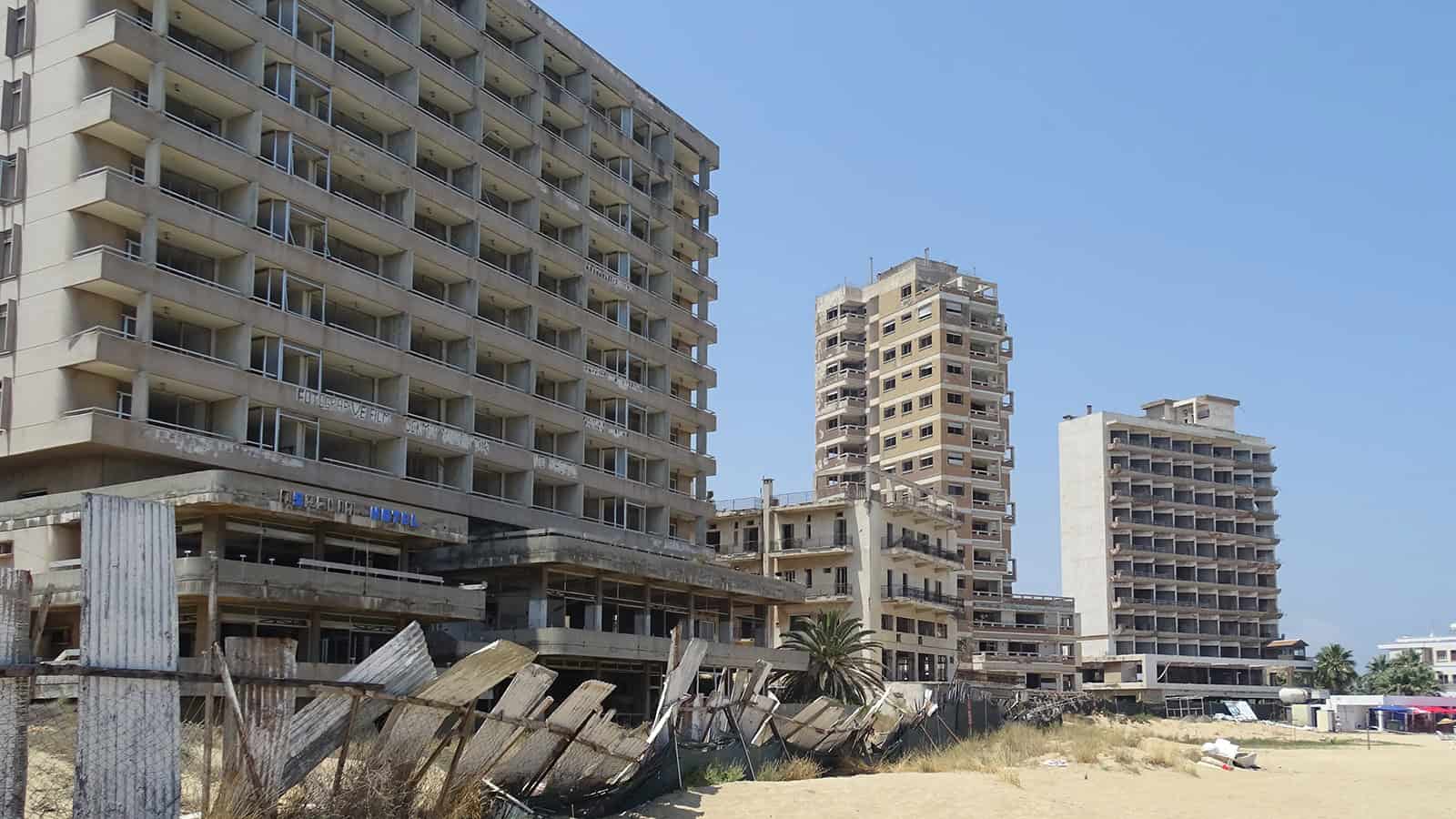
Peloton has removed a Halloween-themed virtual cycling ride featuring Varosha, Cyprus, and apologized after a Greek-American advocacy group criticized the use of a district emptied during Turkey’s 1974 invasion as seasonal entertainment.
The fitness company confirmed the removal in a statement to Kathimerini, published October 31.
“We deeply apologize for the offense caused by this content,” a Peloton spokesperson said. The company called the decision an oversight and said it would strengthen its editorial reviews.
The 15-minute “Varosha Ride” appeared in Peloton’s Halloween collection on October 28. Two days later, the Hellenic American Leadership Council (HALC) called for its withdrawal, arguing that the abandoned district of Famagusta should not be treated as a Halloween attraction.
HALC Executive Director Endy Zemenides urged supporters to sign a petition calling for the ride’s removal, an apology to displaced families, and a review of Peloton’s content standards.
“Varosha is not a fictional ghost town or a spooky tourist attraction,” HALC said in its appeal. More than five decades after Turkey’s invasion, displaced families remain unable to resettle in their former homes.
A second workout, Bradley Rose’s 30-minute Halloween scenic ride, also disappeared from Peloton’s on-demand library, according to The Clip Out, a publication covering the fitness platform. That class included footage of Varosha alongside several other locations. Peloton has not publicly explained the second removal.
Before the 1974 invasion, Varosha was a resort district of Famagusta where Greek Cypriots lived and worked alongside the hotels and businesses serving visitors. Its residents fled as Turkish forces advanced, leaving behind homes and livelihoods. Much of the district remained fenced off under Turkish military control for decades.
Its status remains unresolved. United Nations Security Council Resolution 550, adopted in 1984, rejected attempts to settle Varosha with people other than its inhabitants and called for the area to be placed under UN administration. In 2021, the Security Council condemned further reopening measures by Turkish and Turkish Cypriot authorities and called for their reversal.
Parts of Varosha have been open to visitors since 2020, but its displaced Greek Cypriot residents have not been allowed to return permanently to their homes.