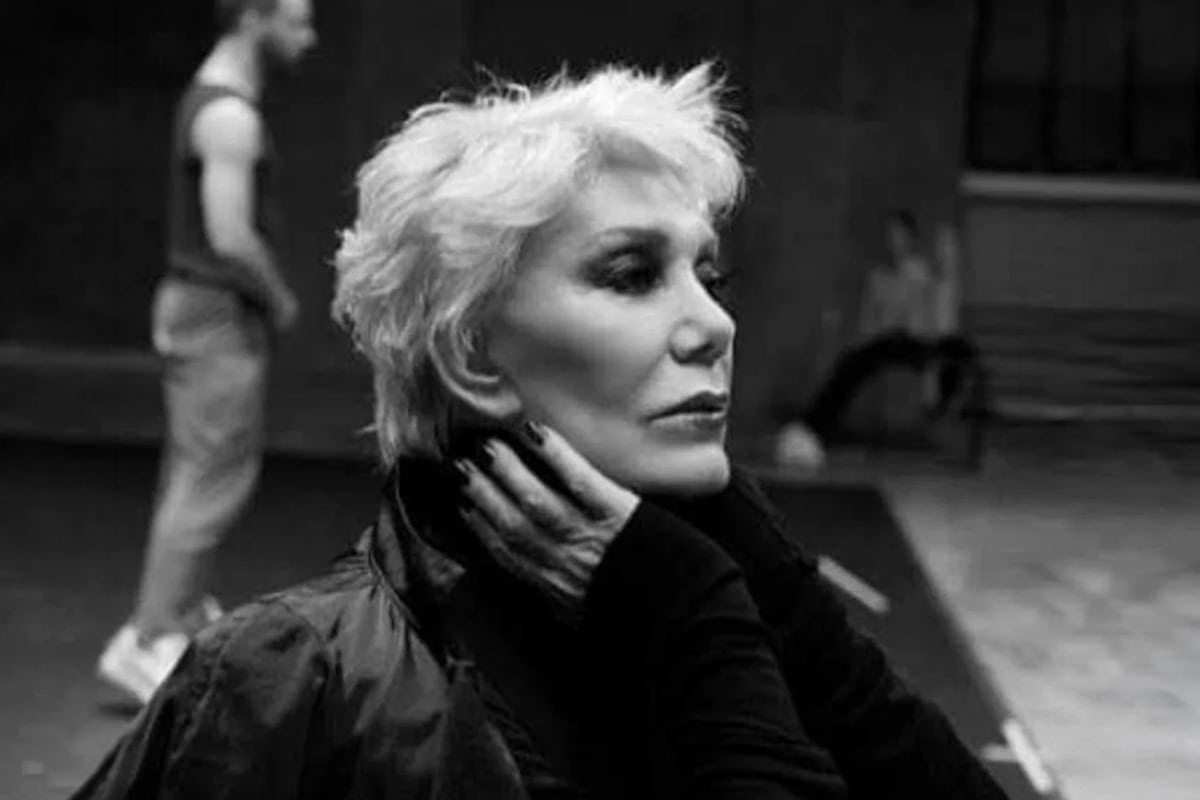
Marinella, born Kyriaki Papadopoulou in Thessaloniki in 1938, belonged to that small group of artists whose voice became larger than any single era. For decades, she stood at the center of Greek popular song, not simply as a successful performer, but as a presence against which people measured other performers. Her death on March 28 closes a chapter that runs through nearly the entire postwar history of modern Greek music.
She grew up in a family marked by displacement and survival. Her parents were Greek refugees from Constantinople, and she was the youngest of four children in a home where music was not decoration but part of daily life. The family sang together. Her father taught the children dances like the waltz and tango. Long before theaters, recordings, or recognition, there was already a child in Thessaloniki learning how song could carry emotion, memory, and rhythm all at once.
That instinct showed itself early. As a little girl, she appeared on the radio program Pediki Ora, and she also took part in children’s theater and small commercial work. Even later, when she became one of the most recognizable voices in Greece, she never sounded removed from the stage. She sang as someone who understood how to face an audience, how to hold attention, and how to let a lyric unfold in real time rather than simply deliver it.
Her path into music did not begin with a clear plan. It came through theater, touring work, and one decisive moment. While performing with a traveling troupe, she stepped in for an ill singer and immediately drew attention. What had been a temporary substitution became direction. She moved into steady performance work, sang in Thessaloniki venues, and at the club Panorama was given the name that would follow her for life: Marinella.
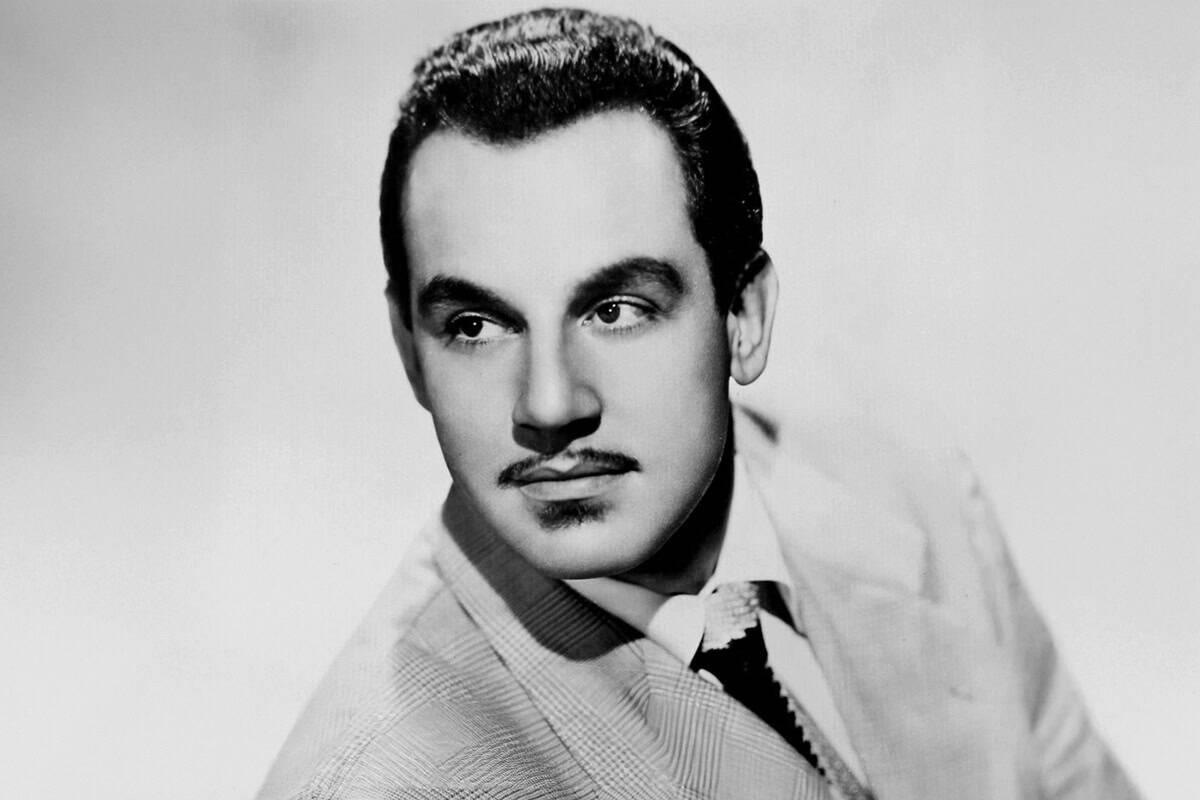
Her recording career began in the late 1950s, and soon her name became inseparable from that of Stelios Kazantzidis. Their partnership helped define the sound and emotional tone of postwar laiko. The duets were direct, often built on contrast. His voice carried weight and gravity. Hers moved with clarity and control, meeting him without imitation. Songs like Nitsa Elenitsa and I proti agapi sou eimai ego brought that balance into homes across Greece and into the diaspora. They appeared together on stage and in film, and for a time their artistic and personal lives moved along the same line. They married in 1964 and separated two years later, but the recordings remained, and they continue to shape how that era of Greek music is heard.
What followed was not a continuation of that image, but a deliberate shift. Marinella built a solo career that expanded beyond the boundaries people expected. Her first major breakthrough on her own came with Stalia Stalia, a song that opened a different path, followed by moments like Anoixe Petra, where her voice carried both force and control without excess. She moved through laiko, rebetiko, more orchestral song, and material that leaned toward cabaret and theatrical performance, always maintaining a clear identity.
The voice itself was distinctive, but it was never only about tone. It was about interpretation. She paid attention to phrasing, to silence, and to the weight of a single word. She could move from a zeibekiko grounded in restraint to a lighter, almost playful delivery without losing balance.
On stage, that attention became visible. She did not move much, but nothing felt accidental. A turn of the head, a hand rising and then stopping halfway, a pause before a line that held just long enough to make the audience lean in. In songs like Stalia Stalia, the restraint carried the emotion. In others, the voice opened fully, but never lost control.
Her performances also changed what audiences expected from a night out in Greek music. The program had shape. Lighting, costume, and movement were not decoration but part of how the songs were delivered. The shift was gradual, but it stayed. Later performers would build on it in their own way, but the sense that a show could be constructed, not just performed, was already there.
Her career moved across decades without settling into a single period. In 1974, she represented Greece at Eurovision with Ligo Krasi, Ligo Thalassa Kai T’ Agori Mou, becoming the first Greek artist to appear in the contest. In the years that followed, she worked with composers and singers across generations, from Kostas Hatzis and Mimis Plessas to George Dalaras and later performers. Albums like Recital and live appearances at venues such as the Athens Concert Hall showed an artist still shaping her work, not repeating it.
Even in later years, she continued to draw audiences not only out of recognition, but because the performance still held. A familiar song could slow down, a phrase stretched just enough to change its weight, a pause placed where people did not expect it. What had been recorded decades earlier could still feel exposed, as if it were happening for the first time.
There was also a discipline behind that longevity. In interviews, she resisted labels like “legend” or “myth,” even as others used them freely. She spoke instead about effort, persistence, and the importance of not losing perspective. Success, in her own words, was something that had to be worked for continuously, not something that could be assumed. That approach gave her public image a certain steadiness. However large her presence became, it remained anchored in the work itself.
Her final years were marked by serious health problems after the stroke she suffered on stage at the Herodion in September 2024. The image stayed with many people. She was in the middle of a performance, doing what she had done for decades. It was not a symbolic ending. It was a real one, tied directly to the life she had chosen.
Marinella leaves behind a body of work that spans more than half a century, but more than that, she leaves behind a way of singing that combined control with instinct and performance with presence. Her recordings remain, but so does the memory of how she stood on stage, how she entered a song, how she held it, and how she let it go.
For many Greeks, and for people across the diaspora who grew up with her voice in the background of everyday life, Marinella was not distant. She was familiar. Her songs were heard in cars, in kitchens, and in gatherings that stretched late into the night. They carried personal meaning without needing explanation.
Her death is not only the loss of a major singer. It is the loss of someone who stood inside Greek cultural life for nearly seventy years and helped define how popular song could be performed, heard, and understood. Marinella did not belong to a single moment. She moved through many of them, and in doing so, became part of how those moments are remembered.
Cosmos Philly is made possible through the support of sponsors and local partners. If you’d like to become a sponsor or promote your business to our community, get in touch.